

Finland’s 2035 climate neutrality target and the ongoing slowdown in the construction sector are expected to shape political and industrial discussions in the years ahead. At the same time, debate is intensifying over how emissions from the building industry should be reduced and which materials should dominate future construction projects.
Several Finnish commentators argue that increasing the use of wood could become a key part of the solution. They say the climate impact of the construction sector can no longer be assessed solely through the energy consumption of completed buildings, but must also include emissions from building materials and the entire construction process.

Image:
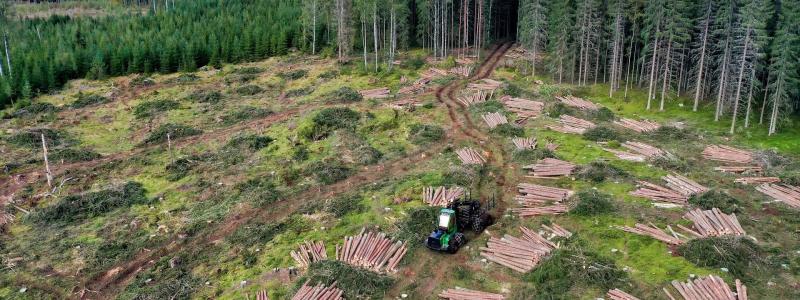
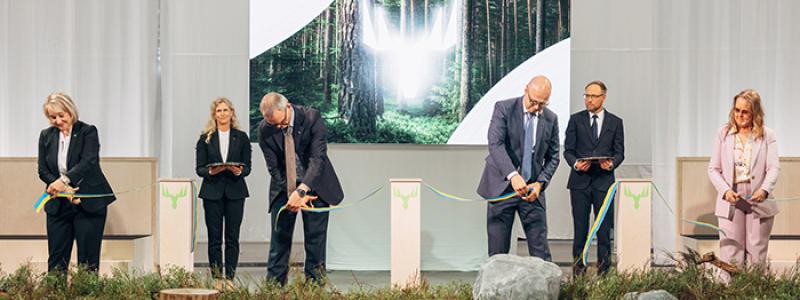
– The use of wood in construction should become part of climate policy, says Finnish circular economy and environmental manager Aaron Vuola in comments to the newspaper Helsingin Sanomat. Photo: Organisation Metsäteollisuus
Material emissions are becoming more important
As emissions from energy use in buildings gradually decline, the climate impact of construction materials is becoming increasingly significant. According to the commentators, Finland now has an opportunity to connect lifecycle-based construction regulation more closely to national climate policy.
They argue that future regulations must be designed to deliver real emission reductions and provide clearer incentives for low-carbon building materials.
Wood is highlighted as a material capable of replacing more fossil-intensive alternatives while also functioning as a long-term carbon sink. Carbon remains stored in wooden buildings throughout their lifespan, which may extend for decades or even longer.
Regulations seen as an obstacle to wider use
Despite the climate arguments, wood is still used relatively little in parts of the construction industry, particularly in larger apartment buildings. According to the debate article, this is partly due to regulations, technical requirements and approval processes originally developed around more traditional construction materials.
The authors argue that rules governing apartment buildings and hybrid structures need to be modernised to allow wood to compete on more equal terms with other materials.
At the same time, they stress that the issue is not about favouring a single material, but about ensuring fair competition where all building materials are evaluated using the same performance and emissions criteria.
Public procurement could influence the market
The commentators also argue that the public sector could play a major role through procurement policies. If the climate benefits of wood construction were more systematically included in public tenders, Finland could develop a larger industrial ecosystem around timber construction, expertise and exports.
According to the article, this could also create better conditions for industrial prefabrication and higher productivity within the construction sector.
The authors maintain that low-carbon construction will not emerge automatically, but requires long-term political decisions and predictable market rules.
Climate targets expected to shape building policy
Finland’s goal of reaching climate neutrality by 2035 is expected to increase pressure on the construction industry to reduce emissions during the coming years. As a result, the debate around timber construction has gained greater political importance both in Finland and across the Nordic region.
At the same time, discussions continue over how far governments should go in steering material choices within the construction sector and how climate requirements should be balanced against costs, technical standards and market conditions.
Source: Debate article and Aaron Vuola
Fact check:
Finland aims to become climate-neutral by 2035. The construction and real estate sector accounts for a significant share of emissions through both energy use and the production of building materials. Wood is frequently promoted as a lower-carbon alternative because it can store carbon for long periods compared with materials such as cement and steel.