


The European Commission is intensifying its efforts to define the role that biobased feedstocks should play in the future packaging industry. The issue has gained prominence as the European Union prepares for the full implementation of the Packaging and Packaging Waste Regulation (PPWR), which will begin to apply from August 2026.
The debate centres on whether biobased plastics can contribute to the EU’s objectives of reducing greenhouse gas emissions, lowering dependence on fossil resources and supporting a more circular economy. At the same time, policymakers are examining concerns related to land use, sustainability criteria and the relationship between biobased materials and recycled plastics.
Attention turns to feedstock sources
Biobased plastics are produced wholly or partly from renewable resources such as sugar cane, corn, forest biomass and other biological materials rather than oil and natural gas.
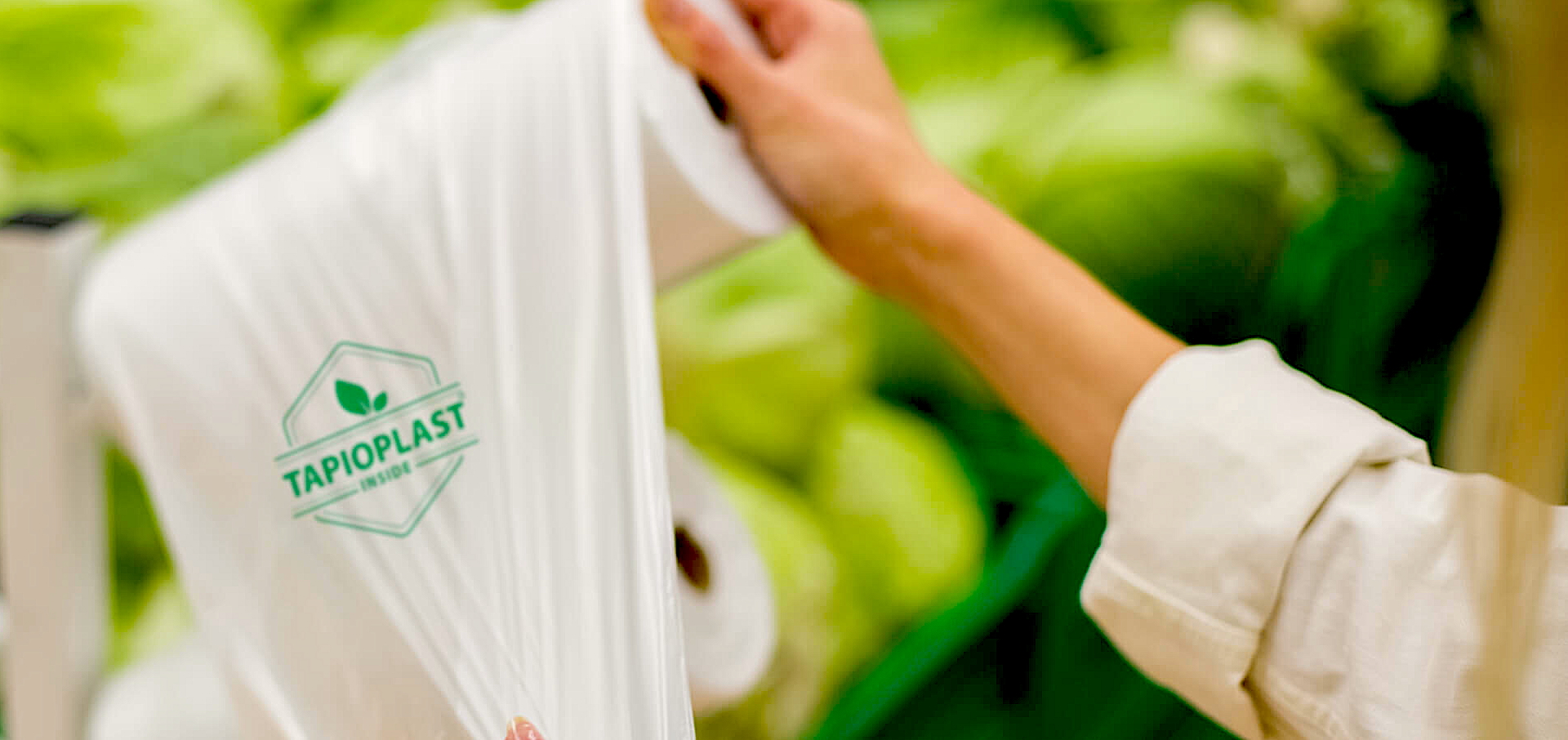
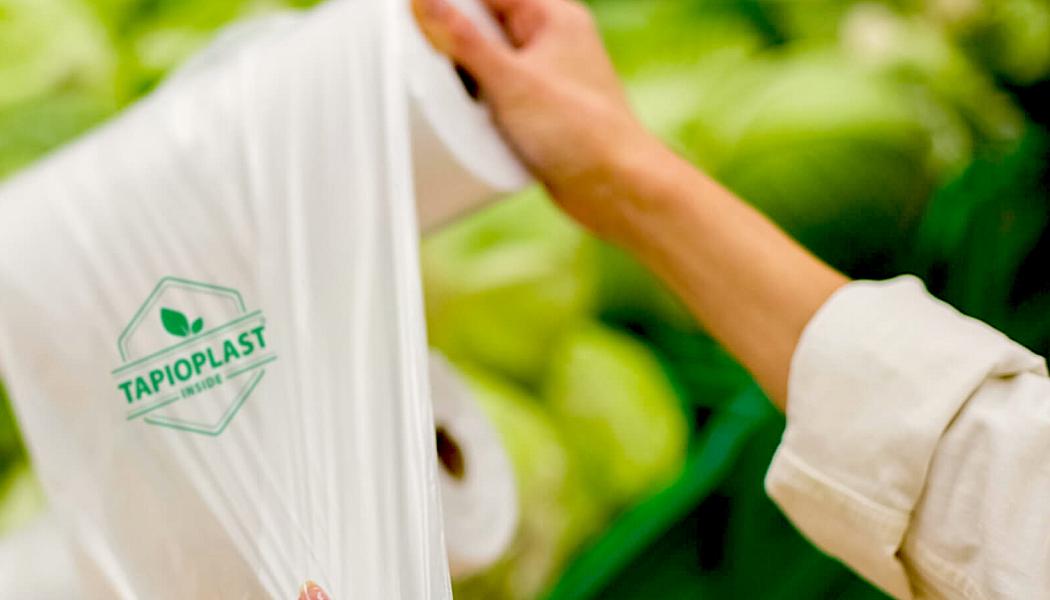
One example is TAPIOPLAST® TPS, a functional bioplastic resin derived from natural cassava. The material has been developed to provide a high proportion of biobased content while offering rapid biodegradation and lower production costs compared with many other biodegradable polymers.
The product has been certified according to DIN EN 13432:2000-12 and ISO 17088:2012 standards by Germany’s DIN CERTCO certification body. The certification verifies industrial compostability, biodegradability, chemical composition, disintegration performance and environmental safety.
According to studies conducted as part of the PPWR process, the European Commission currently sees several potential benefits in expanding the use of biobased feedstocks. These include reducing reliance on fossil resources and lowering the carbon footprint of plastic production.
However, policymakers also stress that biobased materials are not automatically sustainable. Clear sustainability criteria may be required to prevent adverse impacts on biodiversity, agricultural land and food production.
PPWR prioritises recycled content
Despite growing interest in bioplastics, the current focus of EU legislation remains firmly on recycling and recycled content.
The PPWR introduces mandatory recycled-content requirements for several categories of plastic packaging and aims to ensure that all packaging placed on the EU market becomes recyclable by 2030. The regulation is also intended to reduce the consumption of virgin raw materials and increase material recovery rates throughout the Union.
Industry organisations representing the bioplastics sector argue that recycled plastics and biobased materials should not be viewed as competing solutions. Instead, they contend that both approaches will be needed if Europe is to significantly reduce the environmental impact of plastic production.
A small but growing market
Although bioplastics have been under development for decades, they still account for only a small fraction of global plastic production.
Market analyses indicate that biobased polymers currently represent around one percent of total global plastics output. Production capacity is heavily concentrated in Asia, which accounts for more than half of the worldwide supply. Europe’s share remains considerably smaller.
As a result, future regulatory decisions under PPWR could influence investment patterns and manufacturing capacity across the European bioplastics sector.
New sustainability requirements possible
One of the key policy questions is whether biobased content should be recognised as a complement to recycled content in certain categories of plastic packaging.
Ongoing discussions have also raised the possibility that the European Commission could introduce dedicated sustainability criteria for biobased feedstocks in packaging applications. Such measures could determine which raw materials qualify under future EU rules and how climate benefits are measured.
Forest sector watching closely
For countries with large bioeconomy sectors, including Sweden and Finland, the outcome of these discussions could prove particularly significant.
If the EU decides to encourage greater use of certified biobased feedstocks, new opportunities could emerge for forest-based residues, lignin, cellulose and other renewable raw materials. This could create additional markets for Europe’s forestry and bioeconomy industries.
At present, however, uncertainty remains over how far policymakers are willing to go. The European Commission continues to signal that recycling and circularity will remain the primary tools for reducing the environmental footprint of packaging, while biobased materials are likely to be treated as a complementary solution rather than a replacement.
Source: Packaging Europe, European Commission, PPWR documentation.
Fact Check:
The Packaging and Packaging Waste Regulation (PPWR) entered into force in February 2025 and will largely apply from 12 August 2026. The regulation aims to reduce packaging waste, increase recycling rates, boost the use of recycled materials and ensure that all packaging placed on the EU market is recyclable by 2030. The rules apply to all packaging materials, including plastic, paper, metal and glass.