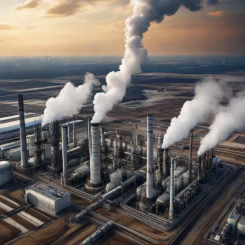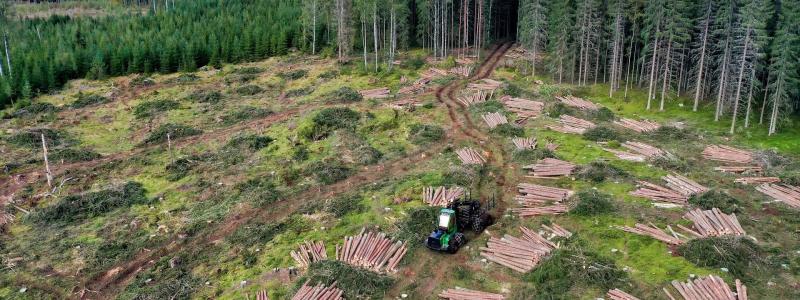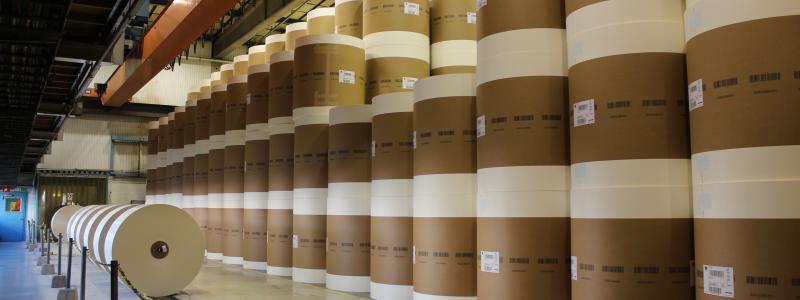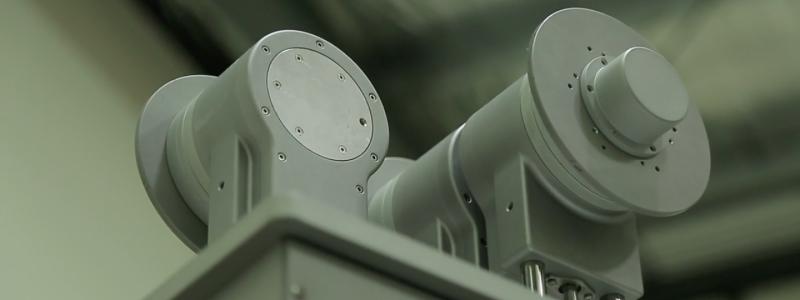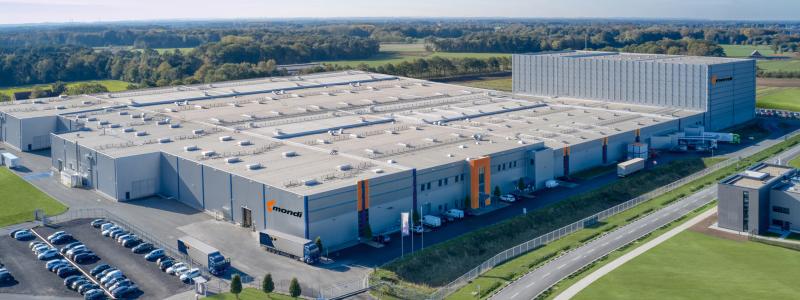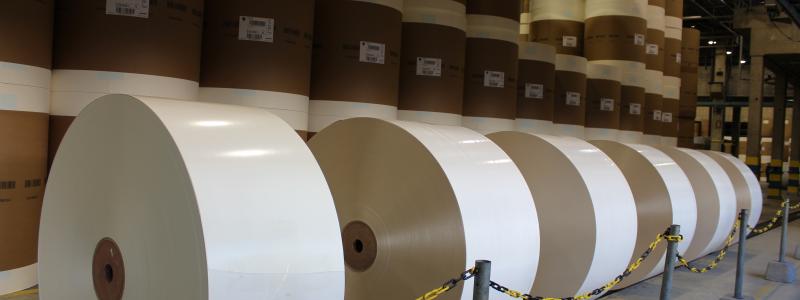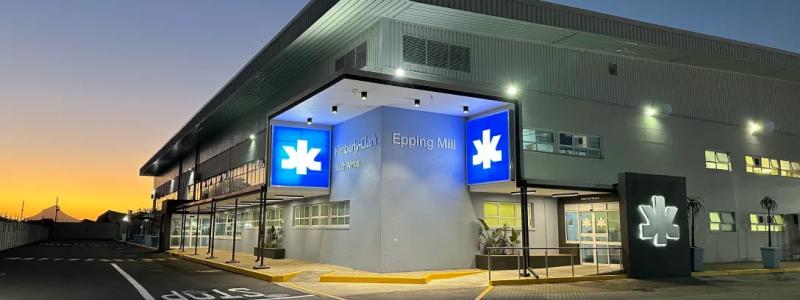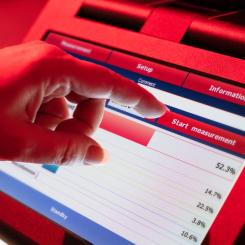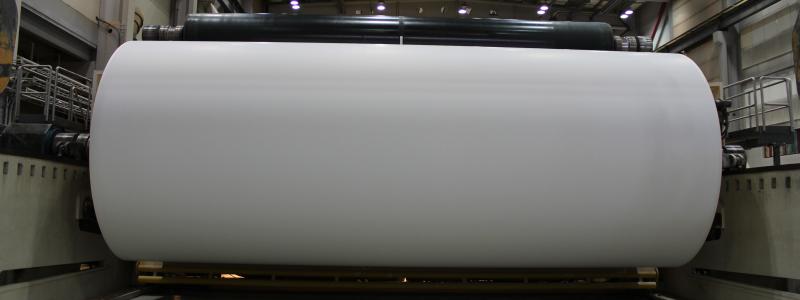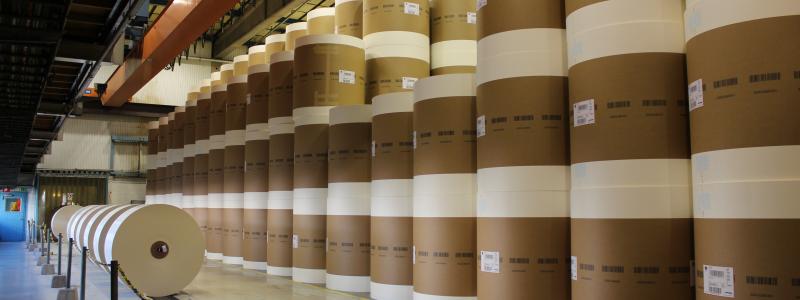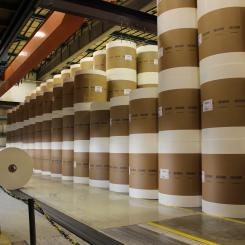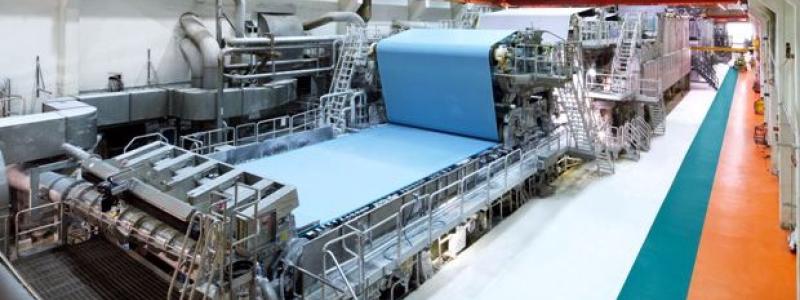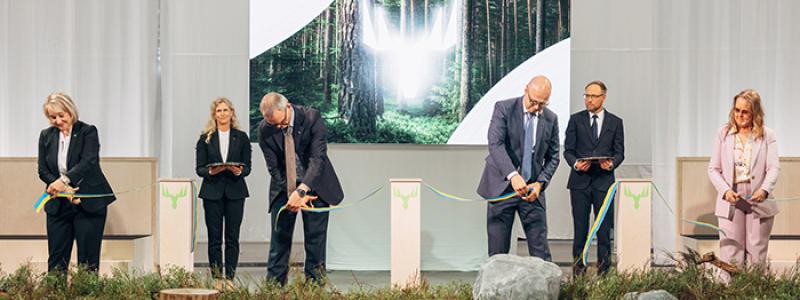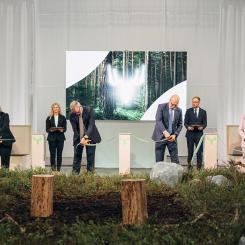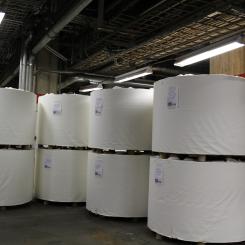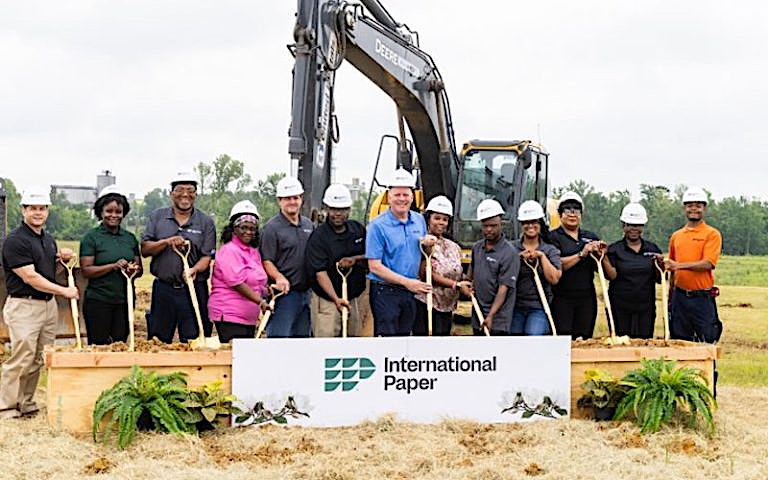

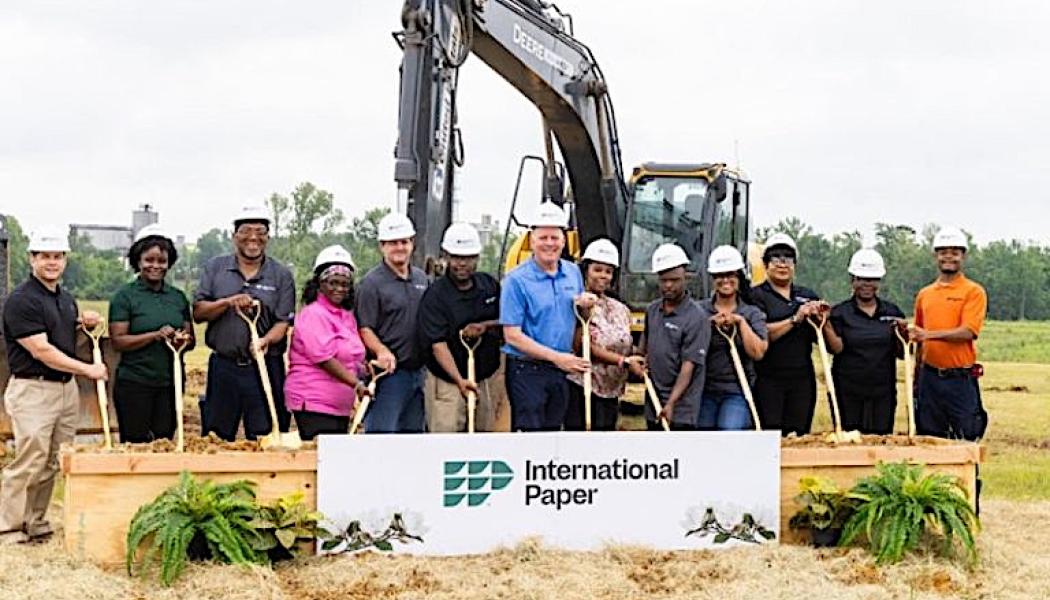
The new Mississippi facility is expected to become one of International Paper’s largest industrial investments in the United States in recent years and will play a key role in supplying packaging products across the Mid-South region. Photo: International Paper
International Paper is investing $225 million in a new sustainable packaging facility in the US state of Mississippi, marking a significant expansion of its North American manufacturing network.
The company has officially broken ground on the project, which it describes as an important component of its long-term growth strategy. The new greenfield facility will be located in Rankin County, less than 10 miles from International Paper’s existing box plant in Richland.
The investment is intended to strengthen production capacity, improve customer service, and support growing demand for packaging solutions across the rapidly expanding Mid-South region of the United States.
Designed to Strengthen Competitiveness
The company views the investment as part of a broader effort to modernise its production network while strengthening its position in the highly competitive North American packaging market.
As demand for fibre-based packaging continues to rise, manufacturers are increasingly investing in advanced facilities capable of delivering higher productivity and greater flexibility.
Focus on Automation and Safety
The new plant will incorporate advanced automation systems, modern safety technologies, and state-of-the-art production controls designed to improve efficiency and reduce operational disruptions.
International Paper says the facility will reflect its commitment to combining productivity gains with sustainability objectives and improved workplace conditions.
Keith Townsend, Group Vice President and General Manager of IP North America Packaging Solutions East, described the project as an important investment for both the company and the local economy.
“This groundbreaking represents an important step forward for International Paper, our customers, and the communities we serve across the Mid-South. The new facility will strengthen our manufacturing network with modern capabilities designed to improve safety, reliability, and operational performance while positioning us for long-term growth,” he said.
Operations Planned for 2027
Construction is expected to begin in June 2026, with commercial operations scheduled to start during the fourth quarter of 2027.
Once the facility is completed, employees currently working at the Richland plant are expected to transition to the new site.
The project is expected to enhance International Paper’s ability to serve customers across multiple market segments while improving production efficiency and supply chain performance.
Demand for Sustainable Packaging Continues to Grow
The investment comes at a time when global demand for fibre-based packaging solutions continues to increase.
Major consumer brands and retailers are accelerating efforts to reduce plastic use and replace it with recyclable and renewable packaging materials. As a result, packaging has become one of the fastest-growing segments within the global forest products industry.
International Paper, one of the world’s largest producers of paper and packaging products, has invested heavily in recent years to modernise operations and expand its portfolio of sustainable packaging solutions.
The Mississippi project represents one of the company’s most significant US manufacturing investments in recent years and highlights confidence in the long-term growth prospects of the packaging sector.
With construction set to begin this summer, the facility is expected to become a cornerstone of International Paper’s regional manufacturing network for decades to come.
Source: International Paper
Fact Check:
International Paper is one of the world’s largest producers of fibre-based packaging, pulp, and paper products. The company operates across North America, Europe, Latin America, North Africa, and Asia. Demand for sustainable packaging has grown rapidly in recent years, driven by stricter environmental regulations, corporate sustainability targets, and efforts to reduce plastic waste. Industry forecasts indicate that fibre-based packaging will remain one of the fastest-growing segments of the global packaging market throughout the coming decade.