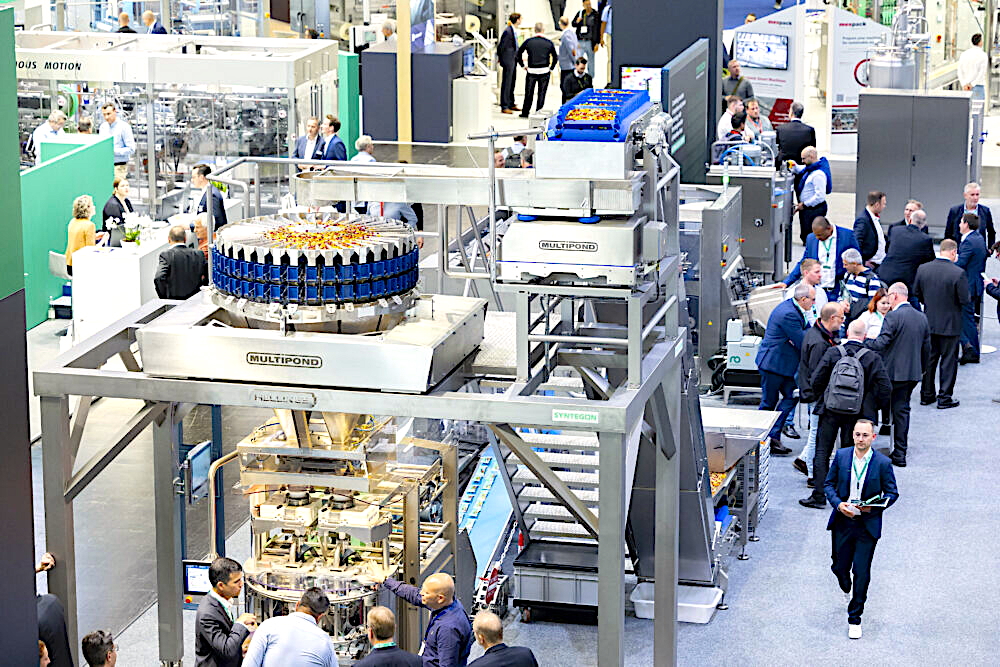


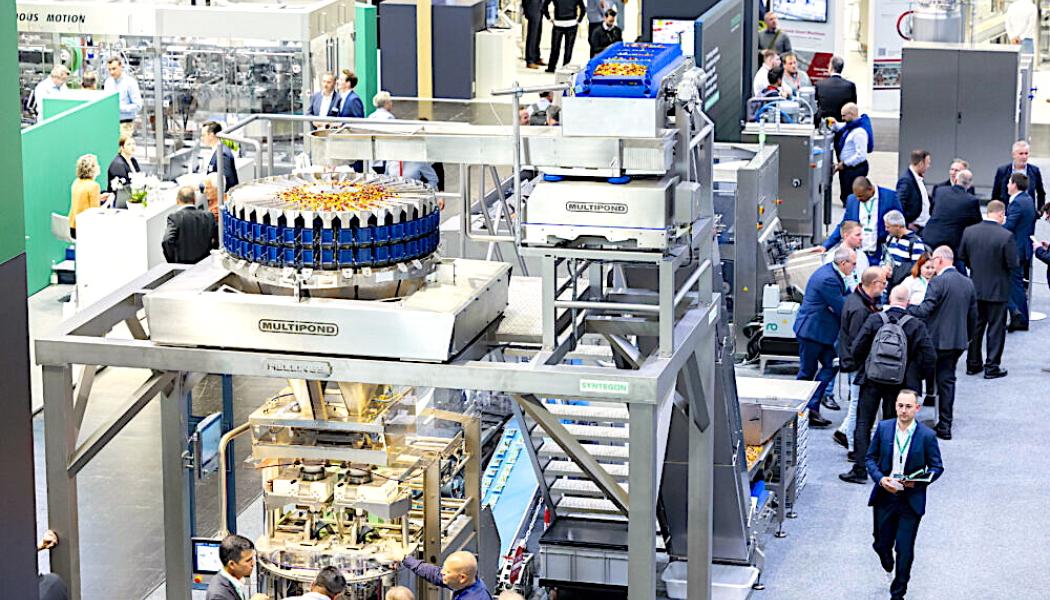
Europe’s major packaging trade fair, Interpack, will soon open in Düsseldorf, bringing together much of the global packaging and processing industry. The event will be held from May 7 to 13, 2026, at Messe Düsseldorf and is described by the organiser as one of the world’s leading meeting places for packaging machinery, materials and process technology.
Ahead of this year’s fair, exhibitors have presented launches in automation, material savings, recycling, digital traceability and more efficient production lines. Several companies are promoting solutions intended to reduce material use or make packaging easier to recycle. At the same time, the announcements show an industry under pressure from new regulations, higher costs and demands for documented sustainability.
The organiser describes Interpack as a platform where companies show how they are addressing the challenges of the modern world and present packaging technology aimed at sustainability and efficiency. Much of the news flow, however, is clearly commercial. It concerns product launches, new machines, partnerships and technical improvements designed to meet industry demand for faster, more automated and more flexible production processes.
Automation and efficiency dominate
A clear trend ahead of Interpack 2026 is the automation of packaging lines. Several exhibitors are presenting solutions for faster format changes, smarter end-of-line systems and more integrated production flows.
FlexBlow says it will demonstrate a complete format change on a laboratory blow-moulding machine in just 5 minutes. Lantech is highlighting solutions for intelligent end-of-line packaging, while ROVEMA is presenting a new generation of vertical form, fill and seal machines. BIZERBA is focusing on automated end-of-line processes, and SMC is showing technology for more energy-efficient machinery using electric drives, vacuum applications and wireless connectivity.
Safety and quality control are also gaining more attention. Pilz is presenting sensor and safety solutions for packaging machines under the message – Packaging without risk. Safety without compromise. OMRON is presenting an inline barcode verifier, while Videojet is showing technology for high-resolution 2D coding and secondary packaging marking.
The background is that the packaging industry is facing strict demands on traceability, food safety and operational reliability. For food, pharmaceutical and industrial companies, this is particularly relevant, as production stoppages, mislabelling or poor control can quickly lead to recalls and higher costs.
Materials and recycling in focus
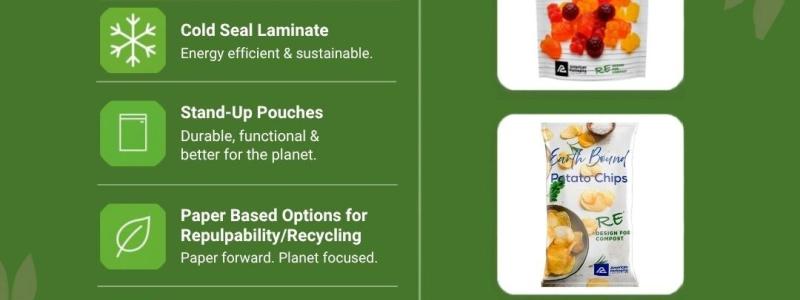
Many exhibitors are emphasising material efficiency and recyclability. Borealis, Hosokawa Alpine, HP, Leygatech, Bostik, Nordmeccanica and Karlville Switzerland are highlighting joint work on a thinner mono-material polyethene pouch. The aim is to reduce material use while simplifying recycling.
Several companies are also presenting alternative materials. Yömser Ambalaj is showing CPET solutions and mono-material technology for thermoformed packaging. Futamura is highlighting cellulose-based NatureFlex films, including applications for tea bags, cosmetics packaging and the glitter industry. ACTEGA is presenting speciality coatings, inks, adhesives and sealants for the printing and packaging industry.
At the same time, these developments need critical scrutiny. Many packaging solutions are marketed as sustainable, but their actual environmental value depends on the entire chain – raw materials, production, transport, sorting and real-world recycling. Mono-materials can make recycling easier, but only if collection systems and sorting capacity work in practice.
New EU packaging rules and the development of digital product passports are also driving change. Securikett is highlighting how the digital product passport can move from being a regulatory burden to a business opportunity, while several other companies are focusing on tamper-proof labels, traceability and marking.
Industry pressure visible in exhibitor news
The exhibitor news points to an industry in which many companies are trying to combine higher productivity with lower material consumption and more documented regulatory compliance. That is not a simple equation.
Packaging must protect products, reduce waste, withstand transport, meet hygiene requirements and at the same time become lighter, cheaper and more recyclable. In food and pharmaceuticals, the demands are especially high, as packaging or labelling failures can have direct consequences for safety and shelf life.
Interpack 2026 will therefore be more than a display of new machines. The trade fair will serve as a temperature check for an industry affected by rising regulatory demands, energy costs, raw material prices and consumer pressure. For companies buying machines, materials or system solutions, the event may offer a clearer view of which technologies are mature – and which are mainly marketing.
The fact that many companies are talking about efficiency, electrification, automation and recycling shows where the sector is heading. But the decisive question remains whether these solutions can work at an industrial scale, at a reasonable cost and with recycling systems that function in reality.
Source: Interpack / Messe Düsseldorf, exhibitor news ahead of Interpack 2026.
Fact check:
Interpack will be held in Düsseldorf from May 7 to 13, 2026, and covers packaging materials, packaging machinery and process technology for sectors including food, beverages, pharmaceuticals, cosmetics and industrial goods.