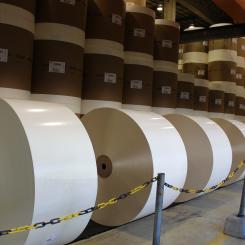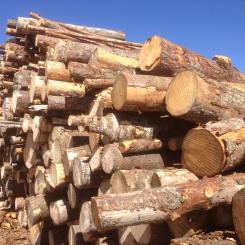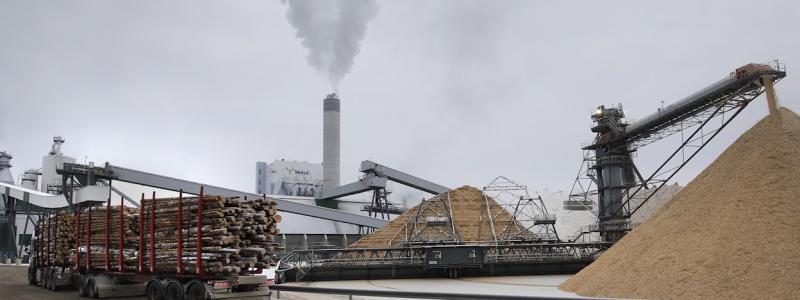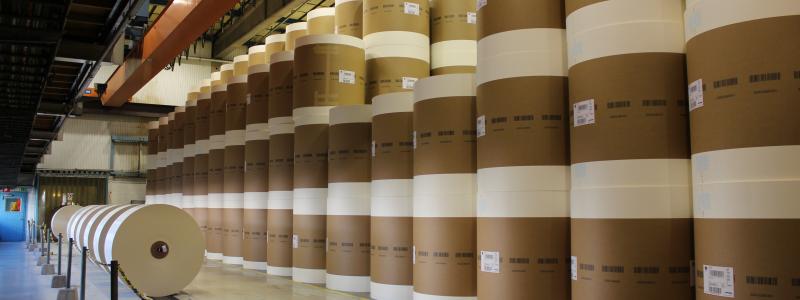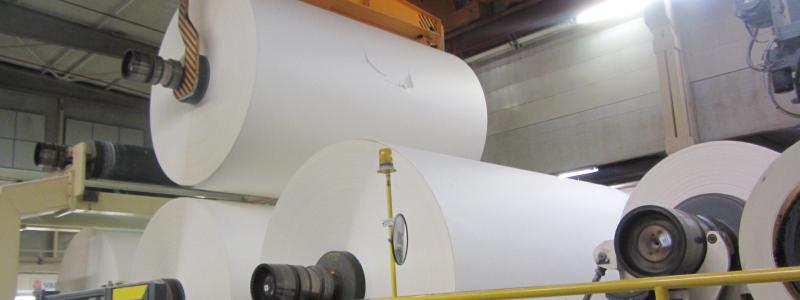





Seven paper mills have closed in France since the beginning of 2024, raising concerns about a broader decline in the country’s paper and pulp industry.
The warning comes from COPACEL, which highlighted the trend during its annual press conference. The industry group also pointed to a fragile outlook for several production sites entering 2026.
Closures hit jobs and industrial capacity
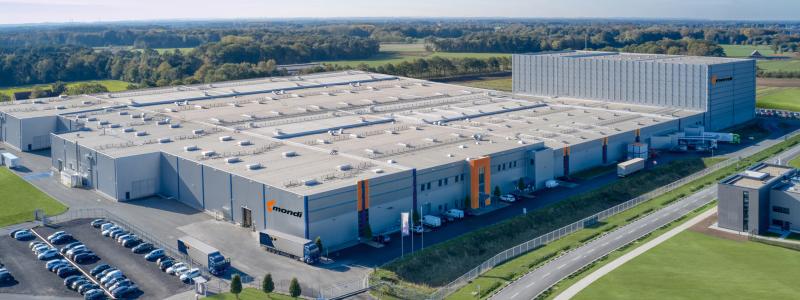
Out of a total of 81 paper mills in France, seven have permanently ceased operations. According to COPACEL, the closures have significant consequences for employment, regional development and industrial sovereignty.
France is already a net importer of pulp, paper and cardboard, increasing its reliance on foreign supply.
At the same time, two packaging paper companies are undergoing court-led restructuring, while a group operating two large pulp mills is in conciliation proceedings. Several other companies are considered financially vulnerable.
– The paper industry provides both traditional and innovative products and contributes to climate efforts and the circular economy. But the risks to the sustainability of many sites are increasing, said Christian Ribeyrolle, according to the organisation.
Competition and costs squeeze the sector
COPACEL argues that the trend is not primarily driven by falling demand, but by structural challenges. Overcapacity among international producers – particularly in China – is pushing prices down, in some cases below French production costs.
The situation is further aggravated by US tariffs, which are redirecting exports towards Europe and intensifying competition on the European market.
Meanwhile, French manufacturers face persistently high production costs linked to energy prices, taxation and administrative complexity. This weakens their ability to compete with producers in other regions.
Calls for political action
COPACEL is now calling for rapid policy measures at both the national and EU level. Proposed actions include stronger trade protection, reduced production taxes and simplified regulatory frameworks.
The organisation also stresses the need to better leverage France’s nuclear power fleet as a competitive advantage in energy supply.
At the same time, the industry maintains that paper and cardboard products remain essential to the modern economy. The raw material is renewable, and recycling rates reach around 87 per cent.
Ongoing research and development have also expanded applications, including replacing certain types of plastic packaging. However, despite these advances, questions remain about the sector’s long-term competitiveness in France.
The developments reflect a broader European trend, where heavy industry is increasingly pressured by rising costs and intensifying global competition.
Source: COPACEL
Fact check
France has historically maintained a significant paper and pulp industry, but is now structurally dependent on imports. High energy costs and global competition are widely cited as key drivers behind recent closures.