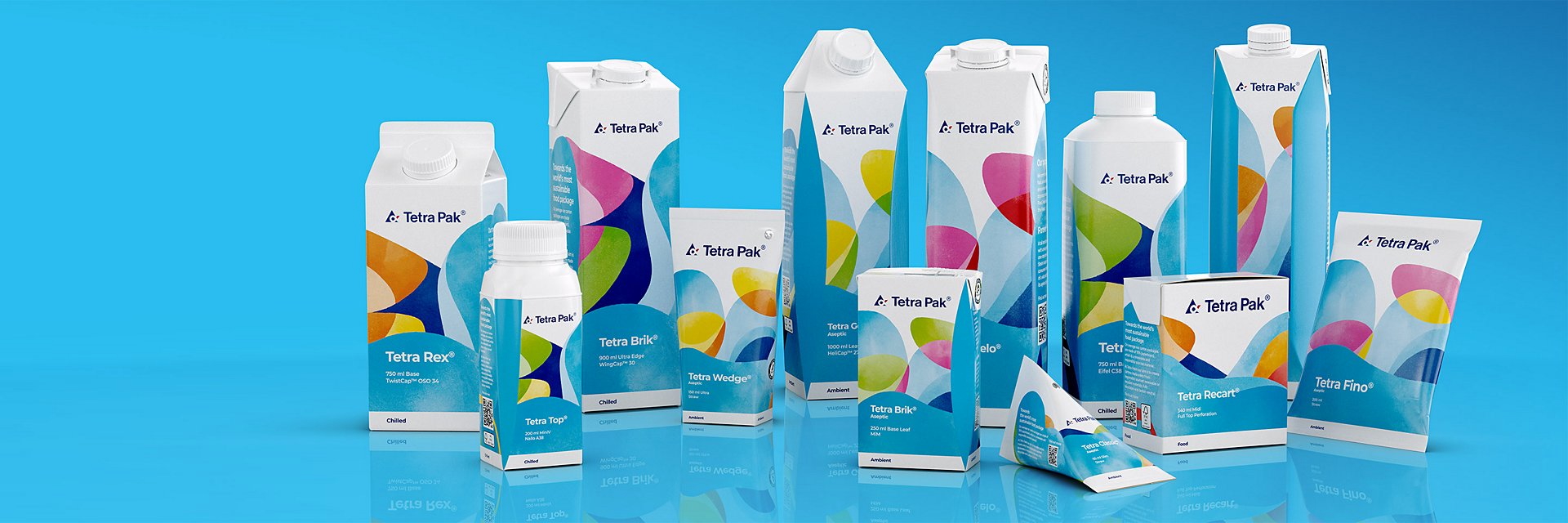


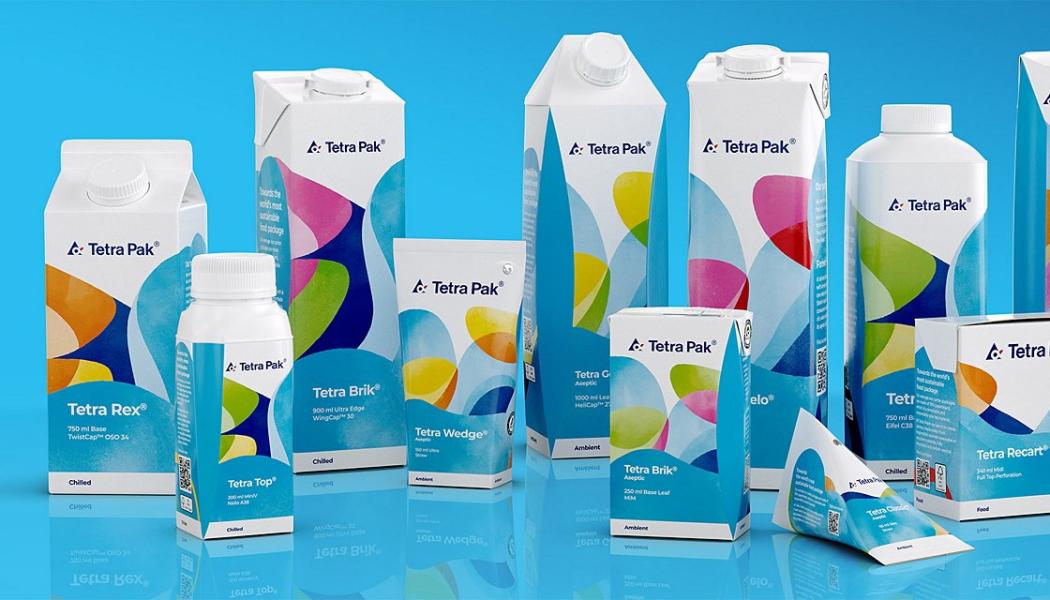
Tetra Pak is positioning aseptic carton packaging as a way to combine lower emissions with improved food security, as pressure increases on global food systems to cut environmental impact without reducing access to food.
According to the company, cartons that extend shelf life without refrigeration could reduce food waste, lower energy demand, and improve food availability. At the same time, Tetra Pak is accelerating efforts to shift toward paper-based and renewable materials.
Longer shelf life without cold chains
– Technologies that extend shelf life without refrigeration help reduce food waste and improve access to safe and nutritious food, a company spokesperson said.
The approach is particularly highlighted for regions where cold chain infrastructure is limited or unreliable.
However, the overall climate benefit remains dependent on several factors, including how materials are produced, the energy used in manufacturing, and the effectiveness of recycling systems.
Push toward paper-based materials
Tetra Pak identifies “paperization” – increasing the share of paper in packaging – as a central strategy. The company is developing cartons that replace traditional aluminium layers with paper-based barriers and plant-based polymers.
These cartons are claimed to reach up to 92 per cent renewable content and deliver up to 43 per cent lower carbon footprint.
– Consumers are increasingly looking for alternatives to fossil-based plastics, the spokesperson said.
At the same time, multi-layer cartons remain difficult to recycle in many markets and often require specialised infrastructure that is not widely available.
Rising demand for measurable impact
The company highlights three key trends shaping packaging: increased use of paper materials, growing demand for verified emission reductions, and pressure to deliver circular systems at scale.
According to Tetra Pak, 75 per cent of consumers are concerned about environmental issues, while 61 per cent want to reduce reliance on fossil plastics.
– Companies that demonstrate credible and measurable sustainability actions are being rewarded commercially, the spokesperson said.
Still, the gap between corporate sustainability claims and real-world outcomes is under increasing scrutiny, particularly in sectors where recycling challenges persist.
Investments in recycling and systems
Tetra Pak says it is investing in collection and recycling systems to support its strategy. In 2024, the company allocated 42 million euros to develop recycling infrastructure.
It also highlights digitalisation and automation as tools to reduce energy use and food waste in production.
– Sustainability must not come at the expense of food safety, the spokesperson said.
Despite ongoing innovation, the overall environmental performance of packaging remains debated, especially when full lifecycle impacts are considered.
Children drinking milk from a carton packaging. Aseptic cartons extend shelf life without refrigeration, but environmental impact depends on materials and recycling systems. Photo: Tetra Pak
Source: Packaging Insights
Fact check:
Aseptic packaging can reduce food waste by extending shelf life, particularly in regions without reliable cold chains. However, lifecycle emissions depend on material sourcing, production energy and recycling rates. Multi-layer cartons remain challenging to recycle in many regions, limiting their overall environmental performance.