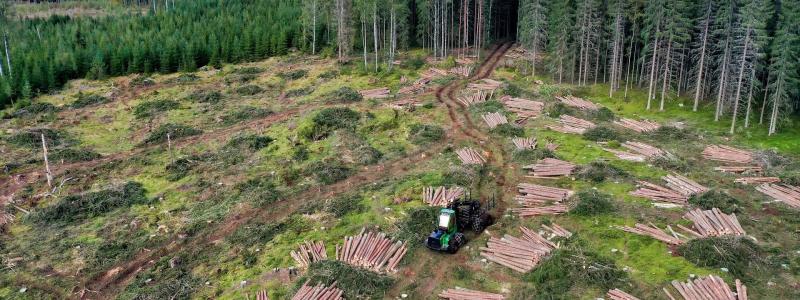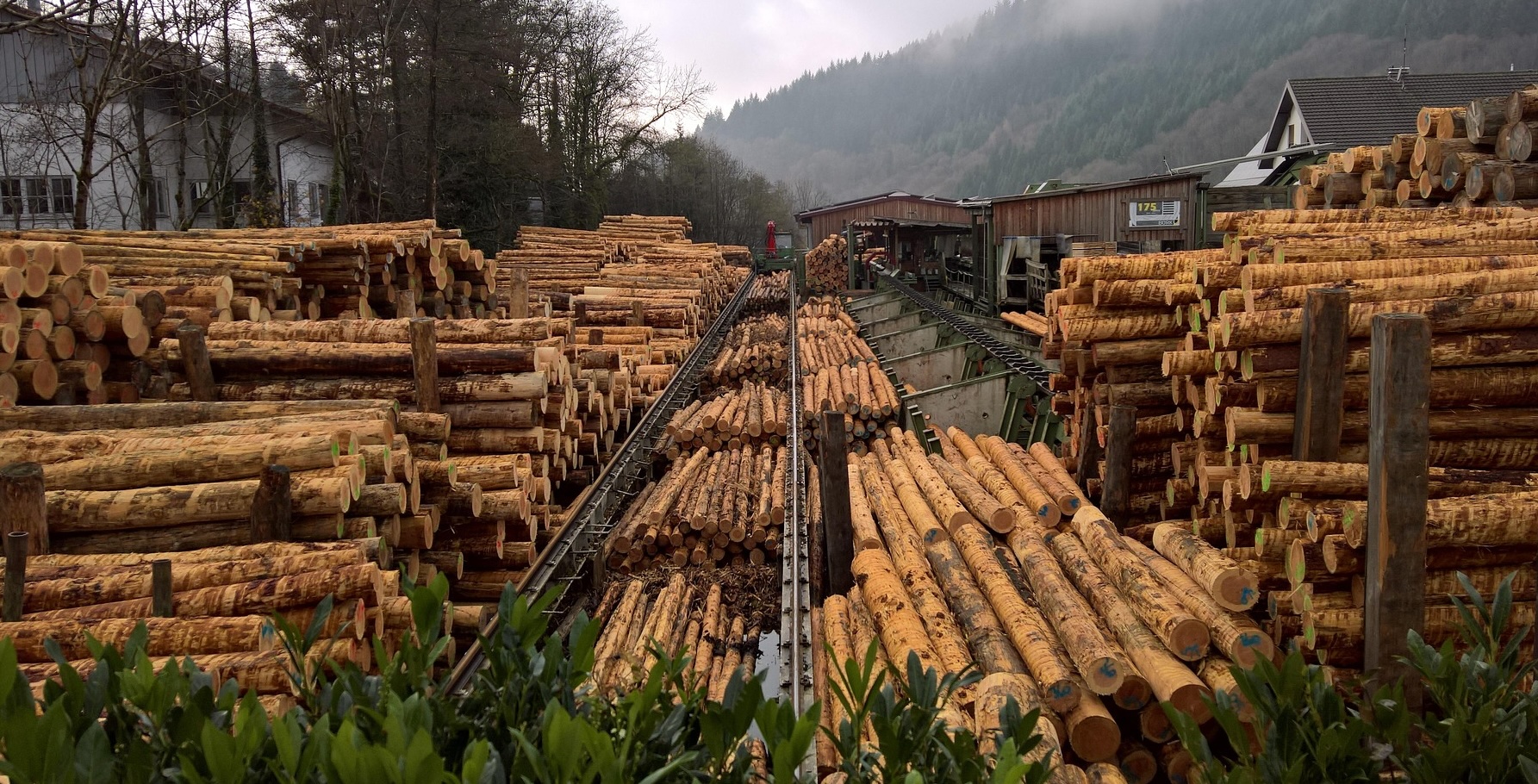




Swedish forest owners’ association Mellanskog has once again lowered timber prices, marking the fifth reduction since autumn 2025. The move reflects a weakening market, with declining demand across the forestry and wood products sector.
This is the second price cut announced by the company in 2026, following a previous reduction in February.
The latest adjustment means sawlog prices are reduced by between SEK 30 and SEK 150 per cubic metre, equivalent to approximately €2.8–13.9 per cubic metre, depending on the wood species. Pulpwood prices are also affected, falling by between SEK 40 and SEK 90 per cubic metre, or about €3.7–8.3.
Fifth cut in a short period
The repeated price reductions point to a clearly deteriorating market situation. Demand for wood products has weakened, while broader economic uncertainty continues to affect both the construction sector and industrial activity.
– The weaker demand means that price levels need to be adjusted downward, the company said.
The decline follows a period of relatively high price levels, which are now being pushed down as the market cools.
Across Europe, lower construction activity and subdued industrial demand have reduced the need for timber, contributing to downward pressure on prices.
Differences compared to Finland
One factor complicating direct comparisons is the way timber volumes are measured across different countries. In Sweden, prices are quoted without bark, while in Finland volumes are measured including bark.
This means that price levels are not directly comparable, even though the Nordic timber markets are otherwise closely connected.
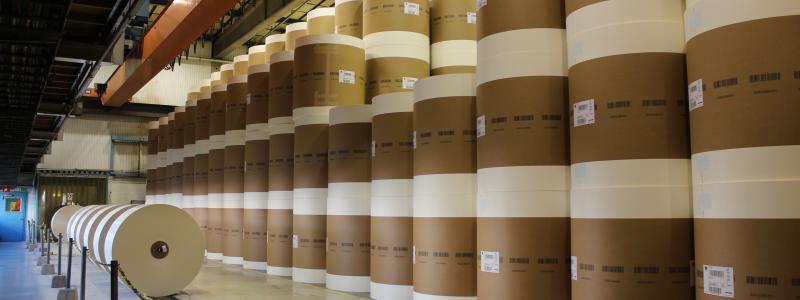
For Swedish forest owners, the current trend implies more uncertain revenues after a period of strong earnings. At the same time, sawmills and the pulp and paper industry are also affected, as demand for end products such as construction materials and paper remains subdued.
Continued pressure on the market
The outlook for timber prices remains uncertain. Several factors suggest that the market could stay under pressure in the near term, particularly if construction activity in Europe remains weak.
At the same time, the sector is influenced by broader economic conditions, including interest rates, inflation and global demand for forest products.
For forest owners, this could mean continued volatility in income, while the industry may be forced to adjust production to match a lower level of demand.
Source: Mellanskog
Fact check
Mellanskog is one of Sweden’s largest forest owner associations, representing private forest owners in central Sweden. Timber prices are closely linked to demand in construction and the pulp and paper industries.