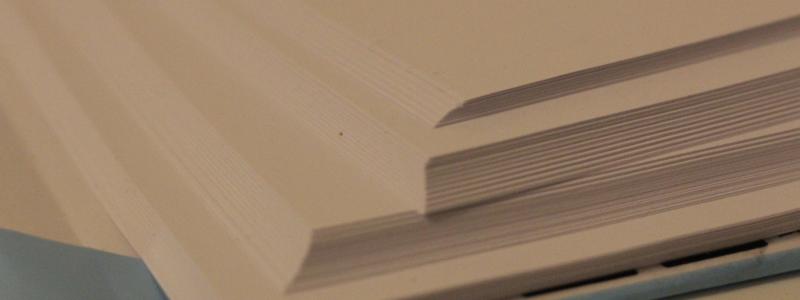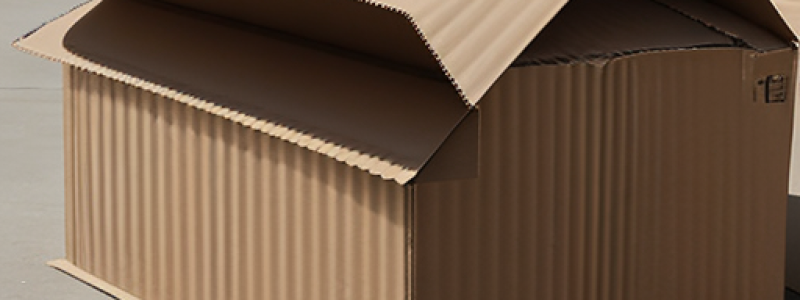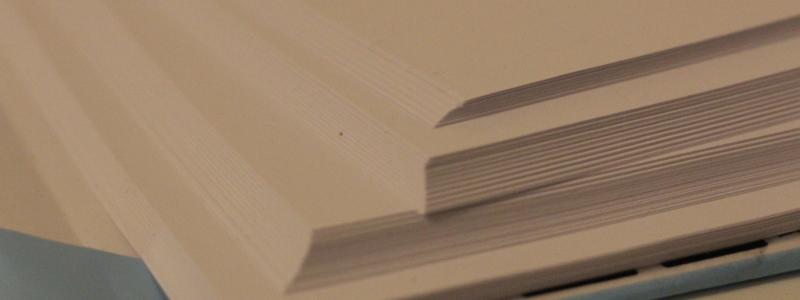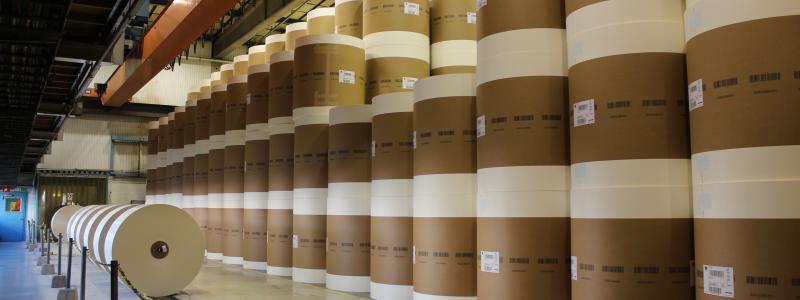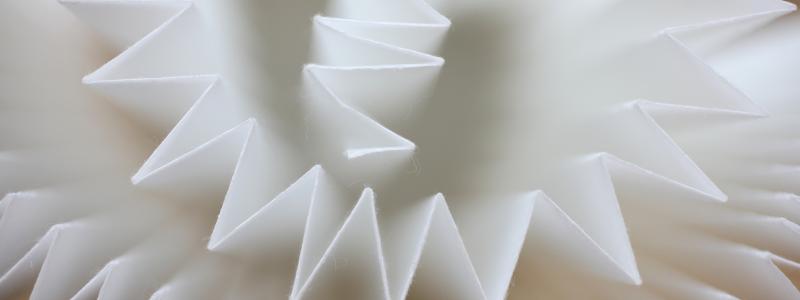


The German paper manufacturer Koehler Paper has introduced a new heat-sealable packaging paper with very low weight. The product, named NexPlus Seal Pure 36 gsm, is described by the company as the lightest of its kind, with a grammage of 36 grams per square meter.
The material is designed for flexible packaging applications and can be processed on standard packaging machines, including systems used for flow packs and wrapping formats.
Its surface is said to be compatible with multiple printing methods, including flexographic, digital, and gravure printing.
Focus on reduced material use
A key element of the launch is the reduced material consumption. According to the manufacturer, the lower grammage means less raw material is required, which could reduce resource use in production.
At the same time, the overall environmental impact remains uncertain when considering factors such as transport, recycling systems, and end-use performance.
– The biggest challenge in production was speed, as the paper needed to remain stable at high operating speeds, both on our machines and on our customers’ packaging lines, said Joachim Uhl, mill director at Koehler Paper in Kehl, Germany.
He noted that the development was enabled by investments in a modern production line and technical expertise within the company’s packaging division.
Broader applications – but open questions remain
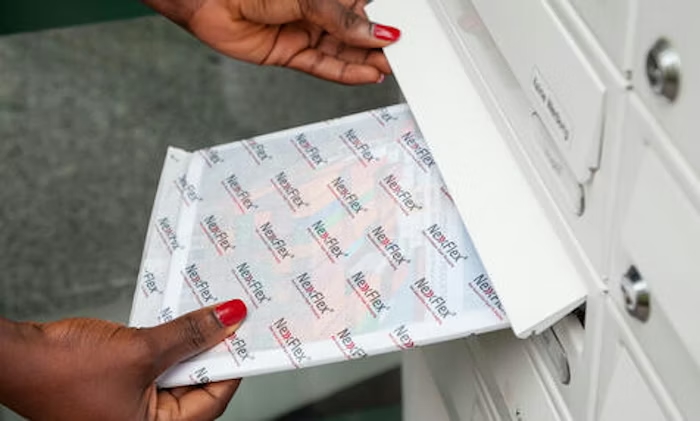
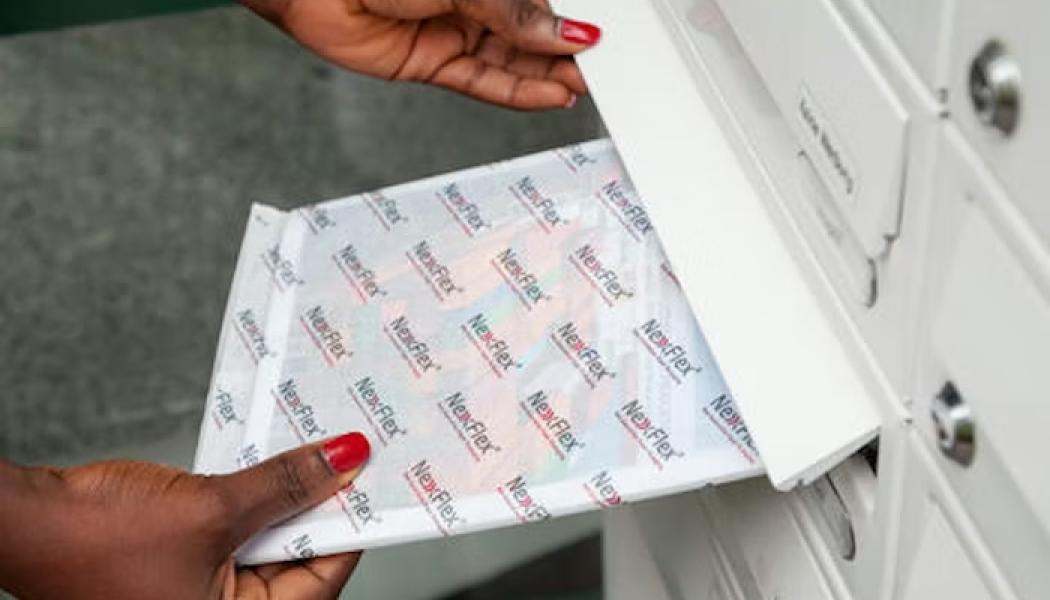
The relatively low opacity of the paper means that contents can be partially visible through the material. This has already led to use in mailing applications, where brochures can be sent in packaging that allows recipients to see inside or scan QR codes without opening the package.
– You can see what is inside the packaging or scan a QR code through it. That is what makes the material attractive for mailing brochures, said Christoph Wachter, head of the Flexible Packaging Paper division at Koehler Paper.
According to the company, the product is made from 100 per cent certified virgin fibre pulp, making it suitable for food packaging, primarily as secondary packaging.
However, questions remain about how the material compares with alternative packaging solutions, particularly in durability, recyclability, and transport protection.
The development of thinner materials is a clear trend in the packaging industry, where lower weight is often presented as an advantage. In practice, however, the benefits largely depend on how these materials perform in real distribution chains and on how they are handled after use.
Source: Koehler Paper
Fact check
Lower grammage in packaging materials can reduce raw material use. However, the total environmental impact depends on multiple factors, including transport, recycling, and product lifespan.