



Swedish start-up Future Materials Sweden is moving from development to full-scale production of fibre-based packaging, with a new industrial facility planned in Ljungby, southern Sweden.
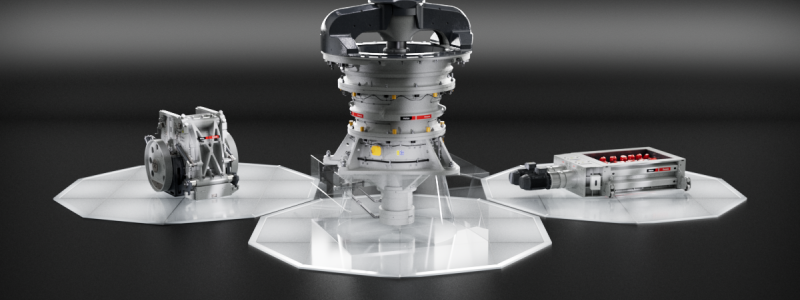
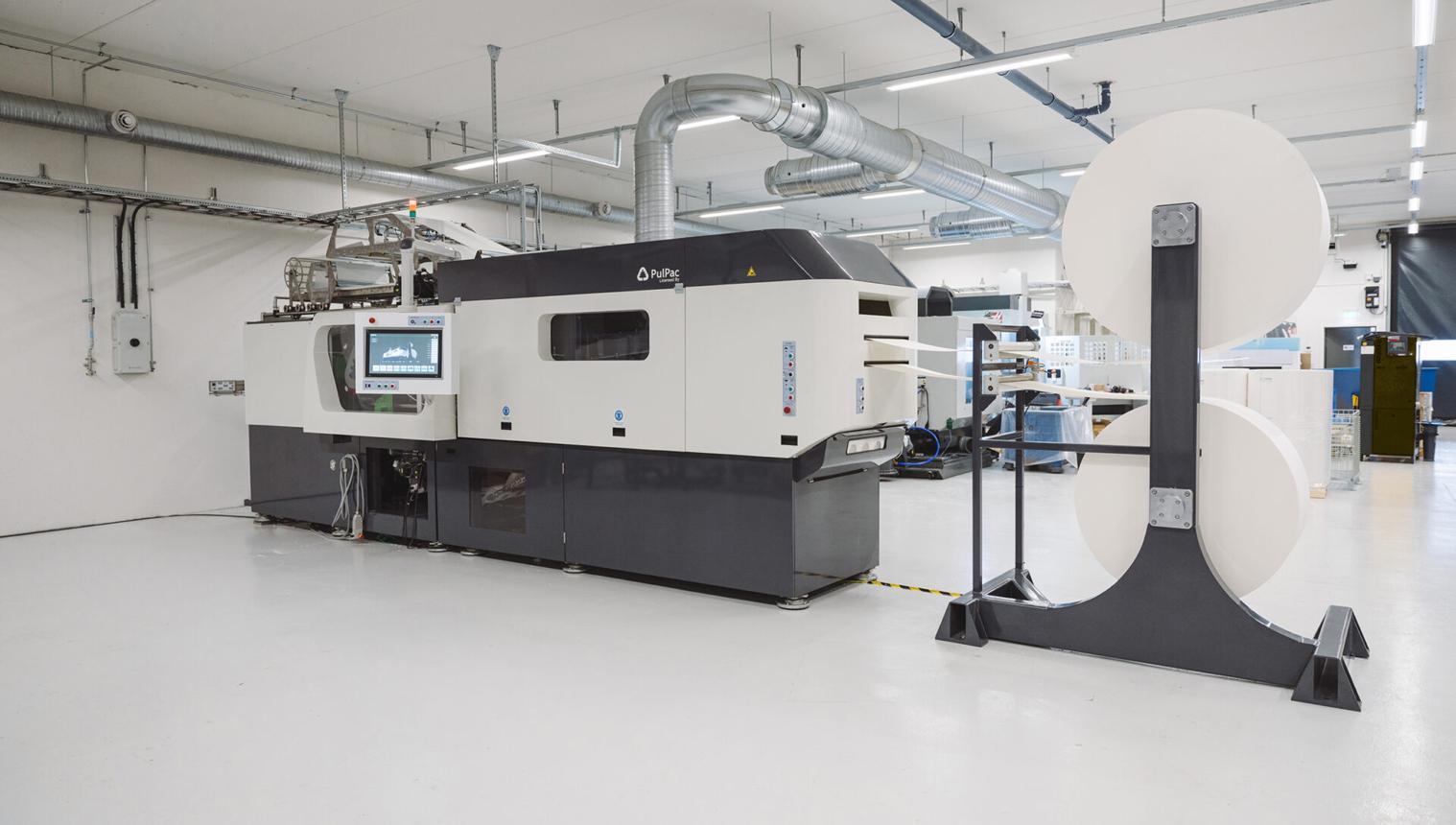
The company has ordered two Scala production lines to begin manufacturing, initially focusing on snus cans – a high-volume segment traditionally dominated by plastics.
The move marks a key transition for the company, which has been developing alternatives to plastic packaging in collaboration with PulPac. Earlier this year, the fibre-based snus can concept entered validation.
Focus on high-volume snus packaging
The Ljungby facility will serve as Future Materials’ first production hub. By installing two Scala machines, the company aims to secure stable industrial output while preparing for future expansion.
Snus cans are considered a critical test case for fibre packaging. The segment combines high production volumes with strict performance requirements and tight cost margins.
If successful, the industrialisation of fibre-based snus cans could open the door for broader adoption in other packaging applications with similar demands.
Småland as an industrial base
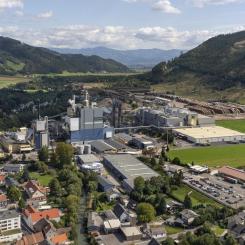
The investment reflects growing activity around fibre-based materials in southern Sweden, particularly in Småland, where industrial infrastructure and supply chains are already well established.
It also highlights how PulPac’s Dry Moulded Fibre technology is moving from development into commercial deployment through partner-led production.
Future Materials said it is already working with initial customers and is seeking additional partnerships as it scales up capacity.
Challenges remain for fibre packaging
The shift toward fibre-based packaging is accelerating across multiple consumer segments as companies attempt to reduce reliance on single-use plastics. However, major challenges remain.
Scaling production remains a key hurdle, particularly in applications that require both high volumes and consistent performance.
Future Materials’ investment illustrates how new entrants are positioning themselves in niche but scalable segments. Whether the technology can compete at scale will depend on cost, reliability, and industrial performance.
Source: Paper Advance
Fact check
Dry Moulded Fibre is a technology used to produce rigid fibre packaging with lower water and energy use compared to traditional paper processes. It is developed by PulPac and licensed globally.