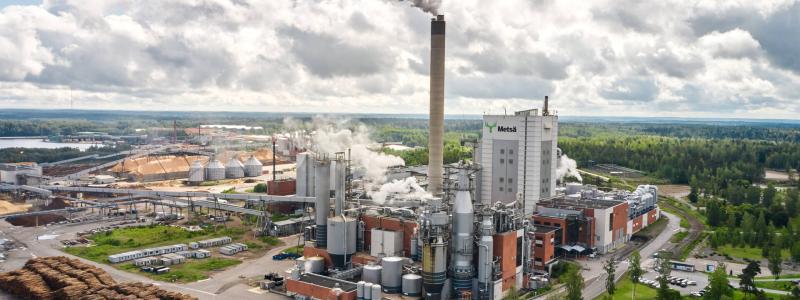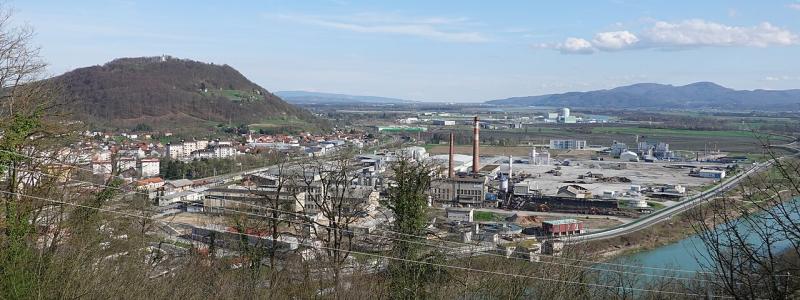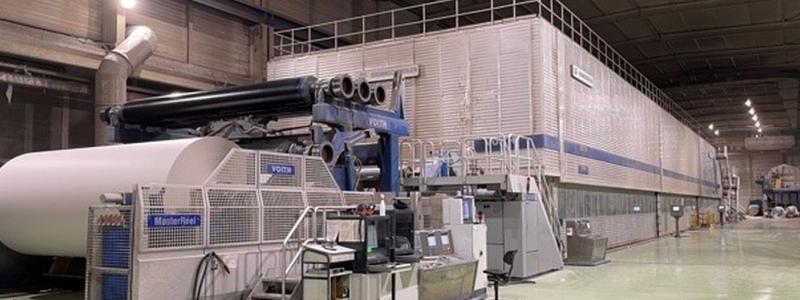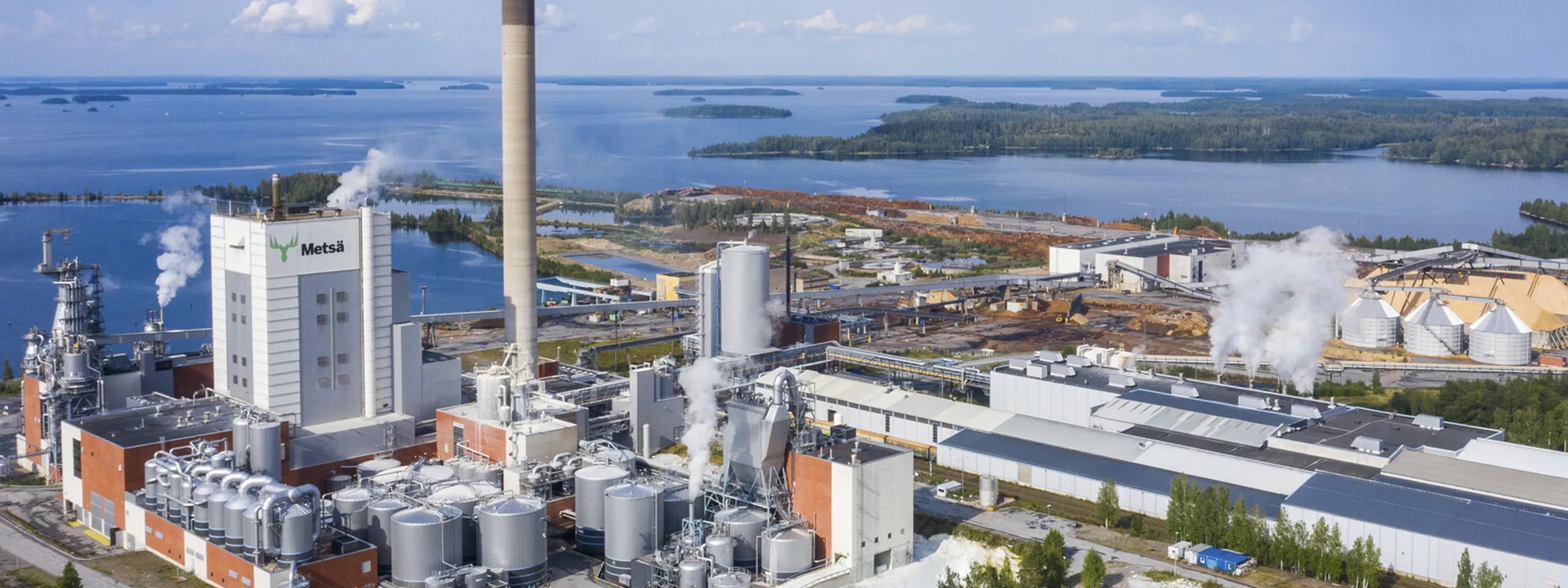




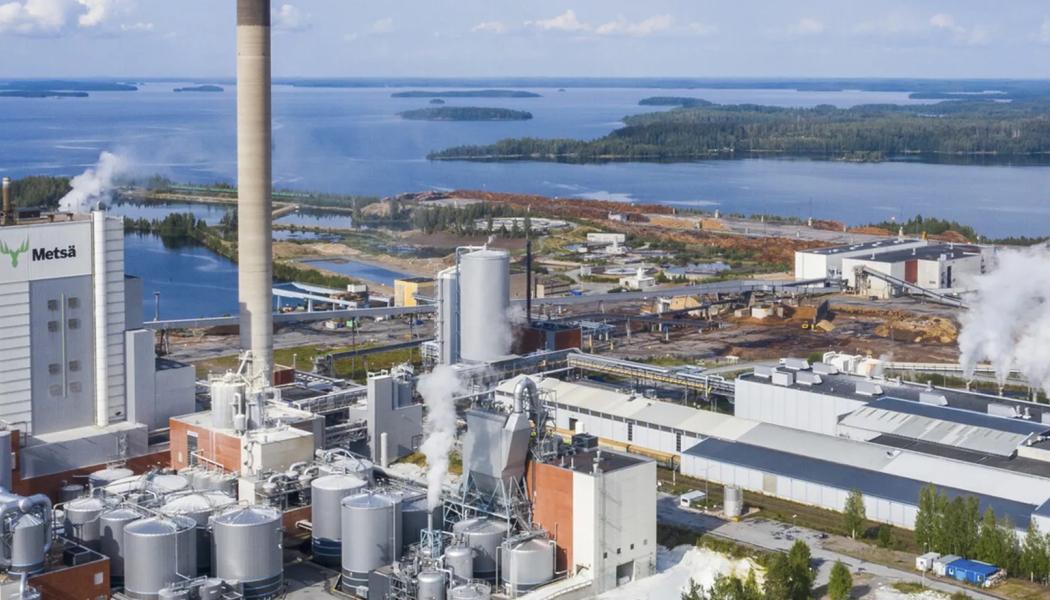
The Finnish pulp producer Metsä Fibre is once again suspending production at its pulp mill in Joutseno, near the city of Lappeenranta, in south-eastern Finland. The shutdown will begin on 31 March and is linked to continuing uncertainty in Asian pulp markets.
The company recently announced the decision in a statement.
Metsä Fibre is part of the Finnish forest industry group Metsä Group. It is one of Europe’s largest producers of softwood pulp, a key raw material used in paper, packaging board and hygiene products.
Uncertain demand in Asia
According to the company, the production stop is intended to align output with the current market situation.
Asian markets play a crucial role in Nordic pulp exports. China is by far the largest importer, and changes in Chinese industrial activity often have an immediate impact on pulp prices and production levels in northern Europe.
After several years of strong demand, the market has become more uncertain in recent months. Slower economic growth and shifting inventory strategies among major buyers have contributed to weaker demand signals.
Market volatility has forced producers to adjust production schedules more frequently. Temporary shutdowns are a common tool in the pulp industry to prevent excess supply and to stabilise inventories.
Restart decision to come later
Metsä Fibre says it is monitoring the market situation closely before deciding when production at the Joutseno mill can resume.
The length of the shutdown has not yet been determined.
The pulp market is highly sensitive to changes in global manufacturing, packaging demand and paper consumption. When demand weakens in Asia, Nordic producers often respond quickly by reducing output.
Finland and Sweden together account for a large share of global exports of chemical pulp, making the region particularly exposed to fluctuations in Asian demand.
Odour disturbances are possible during shutdown
The shutdown process itself may also affect the surrounding area.
Metsä Fibre warns that the mill’s shutdown could cause temporary odour disturbances near the factory site. Such odour emissions are not unusual when pulp mills are shut down or restarted, as chemical processes and gas systems are adjusted.
The Joutseno mill is located in Villmanstrand in south-eastern Finland and is one of several major pulp production facilities in Metsä Fibre’s network.
Nordic pulp mills primarily produce softwood kraft pulp derived from coniferous forests. This pulp is widely used in packaging board, printing paper and tissue products.
Because pulp is traded globally and production volumes are large, even relatively small shifts in demand from China or other Asian markets can quickly influence prices and production decisions across the Nordic forest industry.
Fact:
Softwood pulp from Nordic mills is a key raw material in packaging board, printing paper and hygiene products. China is the largest import market for Nordic pulp, making European producers sensitive to shifts in Chinese industrial activity.
Source: Metsä Group