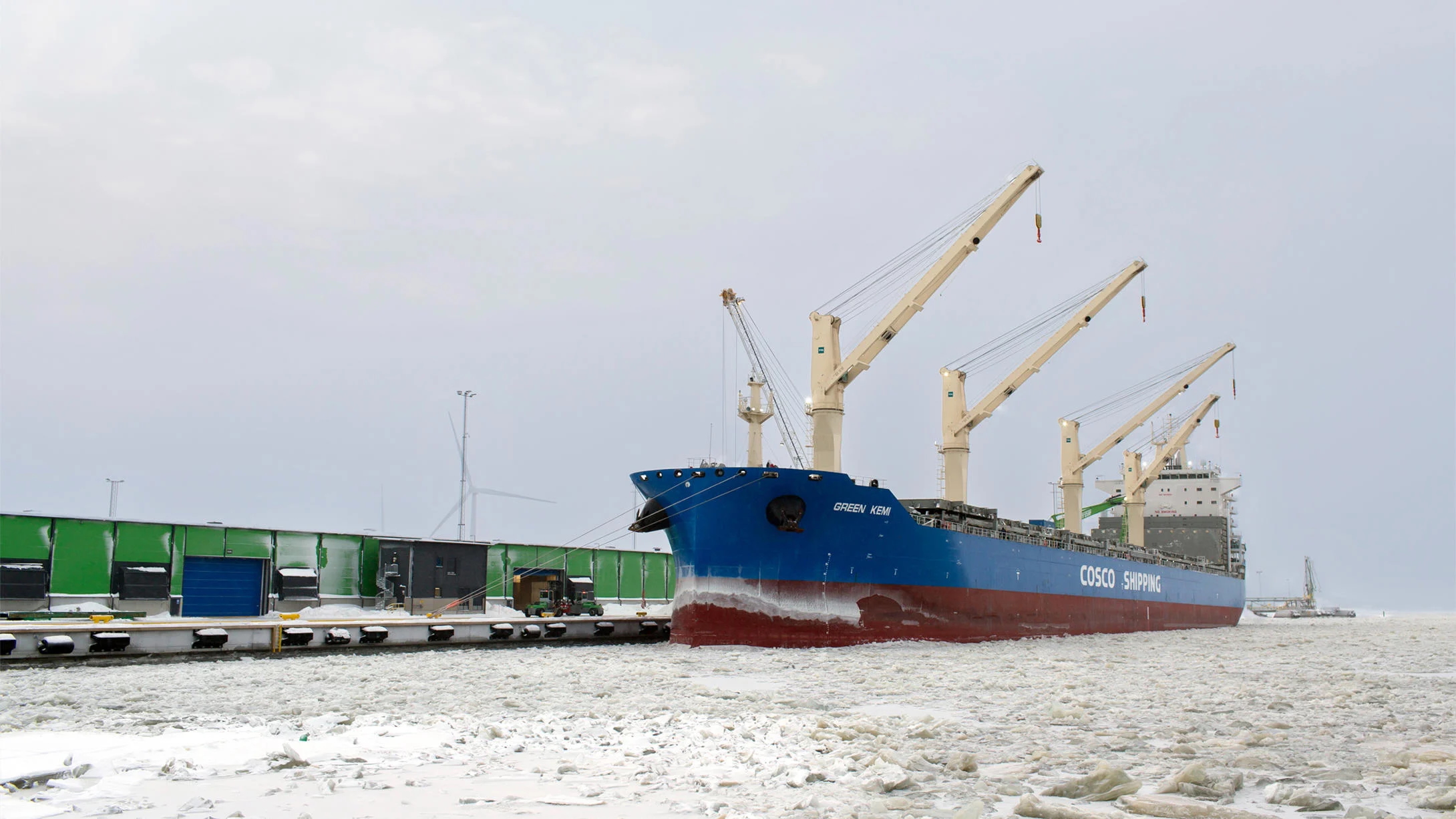



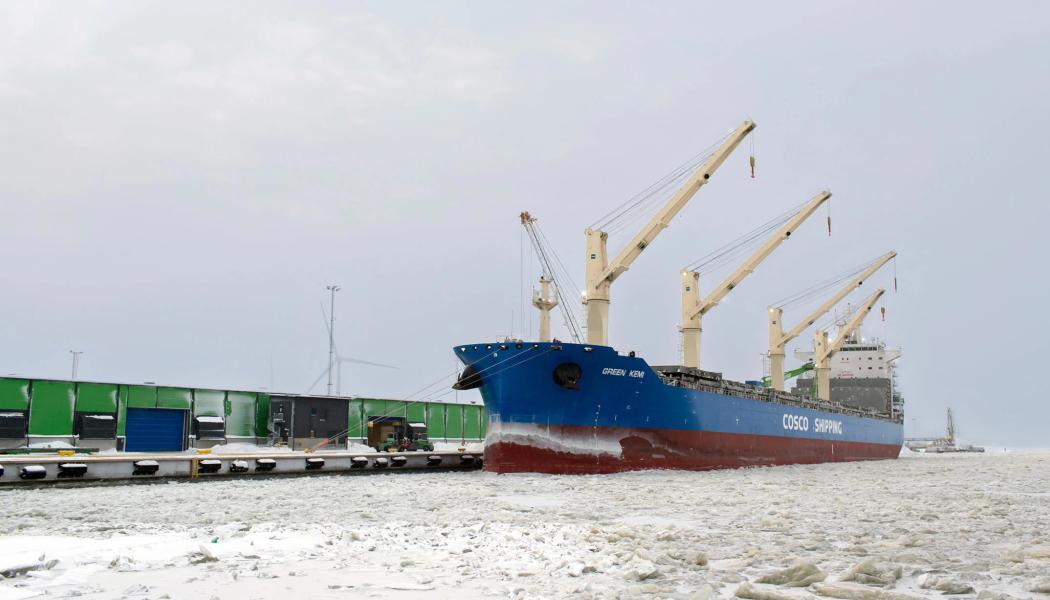
The escalating crisis in the Middle East could extend transport times for Finnish forest industry products to Asia by several weeks. At the same time, freight costs may rise, and container availability could become increasingly uncertain.
Iran has announced the closure of the Strait of Hormuz. According to international reporting, several major shipping lines have also paused or reduced traffic through the Suez Canal, redirecting vessels around Africa via the Cape of Good Hope on routes to Asia.per cent
The Strait of Hormuz is a critical artery for global oil trade, and disruptions there primarily push up energy prices. For Finland’s forest industry, however, access through the Suez Canal is more directly decisive.
– Approximately 20 percent of the forest industry’s exports go to Asia, and the majority of those shipments pass through the Suez Canal, says Maarit Lindström, Director and Chief Economist at Metsäteollisuus ry.
Delays of Several Weeks Possible
If vessels are forced to reroute around southern Africa, journeys are extended by thousands of kilometres. This could delay deliveries by several weeks.
– If the situation continues, it will affect freight prices and competition for containers, Lindström says.
According to industry statistics, roughly half of exports to Asia consist of pulp. Cartonboard accounts for 15 per cent, paper for 8 percent and wood products for 26 per cent.
The forest industry is highly dependent on functioning global logistics chains. Deliveries of pulp and cartonboard are often tied to long-term customer contracts, where punctuality is critical for customers’ own production processes. Delays can therefore trigger knock-on effects throughout the value chain.
Limited but Sensitive Middle East Trade
Export volumes to the Middle East are smaller than those to Asia, yet even modest trade flows can be affected when maritime routes are disrupted. Over the course of a year, Finland has exported wood and paper industry products to Qatar worth approximately three million euros.
When major routes are blocked or become more expensive, smaller markets are indirectly affected through higher costs and the reallocation of shipping capacity.
According to Lindström, developments are still too recent to assess the full scale of the risks.
– International shipping companies have prepared for disruptions and contingency plans have certainly been drawn up in advance, she says.
The duration of the disruption will be decisive. Short-term interruptions can be managed through rerouting and temporarily higher costs. A prolonged crisis, however, risks undermining the broader competitiveness of the export industry, particularly if energy prices continue to climb.
Finland’s forest industry is one of the country’s most important export sectors. Extended delivery times and higher freight costs could therefore have implications not only for individual companies but also for the national trade balance.
Source: Metsäteollisuus ry (Finnish Forest Industries Federation)
Fact
Approximately 20 per cent of Finland’s forest industry exports are destined for Asia. Most shipments pass through the Suez Canal. If rerouted around Africa, delivery times may be extended by several weeks.