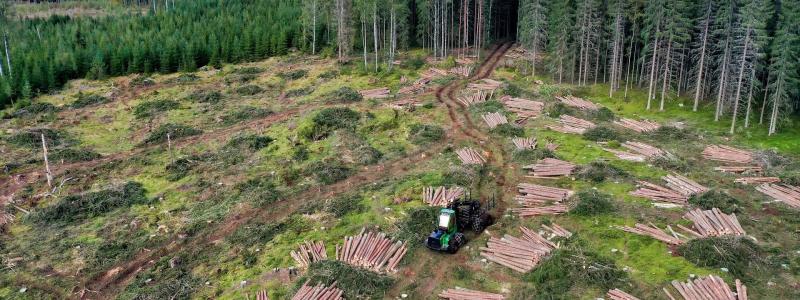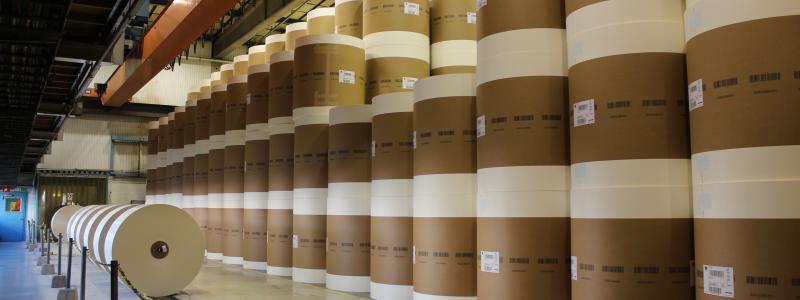





Europe’s forest products industry is facing increasing strain as structural overcapacity, weak demand and rising costs reshape market conditions. The situation was highlighted at the Fastmarkets European Forest Products Conference 2026, where industry leaders gathered in Barcelona to assess the outlook.
According to participants, several long-term challenges are now converging, fundamentally altering the competitive landscape. Overcapacity, subdued domestic demand, and growing competition from Asia are placing sustained pressure on European producers.
Structural overcapacity weighs on markets
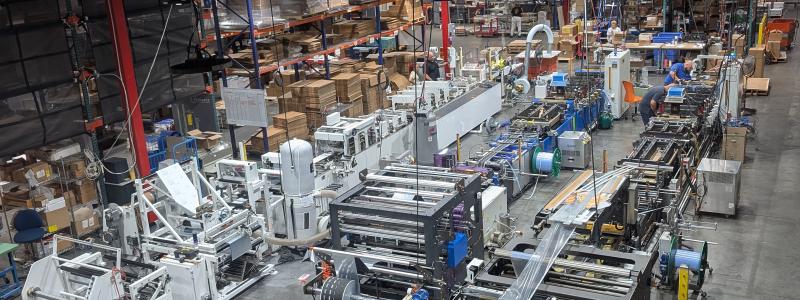
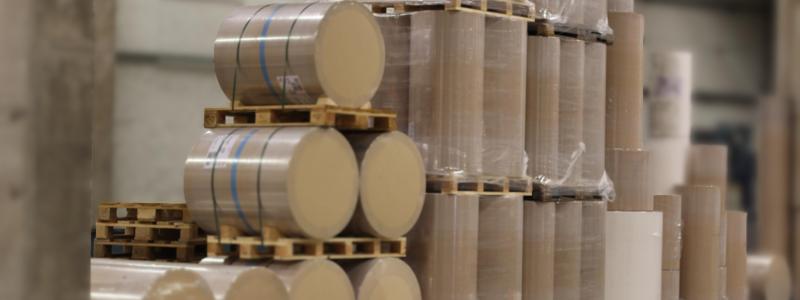
A central theme throughout the conference was persistent overcapacity across Europe. Industry representatives stressed that the imbalance between supply and demand is structural rather than temporary.
– Adding more capacity in already stressed markets no longer makes sense, a CEO panel concluded, according to the conference summary.
At the same time, imports of lower-priced products are increasing, further undermining competitiveness. Europe has traditionally relied on exports to absorb excess production, but that strategy is becoming more difficult to sustain.
Fastmarkets economist Alejandro Mata pointed to the recycled containerboard segment as a clear example of structural oversupply. With domestic demand remaining weak and export markets under pressure, operating rates are expected to stay low unless capacity is reduced.
Costs slow shift to fibre-based packaging
Another key topic was “paperization” – the shift from plastic to fibre-based packaging materials. While still a long-term trend, the pace of transition is slowing.
Higher costs and technical constraints are limiting adoption. In some cases, switching materials increases overall material usage and leads to higher regulatory fees, adding further pressure on margins.
– Sustainability remains important, but consumers are no longer willing to pay a premium, a CEO panel noted.
According to Winfried Mühling of Pro Carton, 84 per cent of European consumers still prefer fibre-based packaging over plastic. However, this preference is no longer translating into higher spending.
Retailers and regulation are now the primary drivers of material substitution, rather than consumer demand alone.
EU regulation and geopolitics add pressure
Speakers repeatedly raised concerns about the pace and complexity of EU regulation, describing it as difficult to implement in practice.
– Europe risks regulating itself to death, said Henrik Sjölund during the conference.
A lack of harmonised standards across countries is creating additional challenges. The same packaging can be considered recyclable in one market and rejected in another, forcing companies to manage multiple compliance systems.
At the same time, geopolitical tensions are increasingly shaping the market. Energy prices and transport costs remain volatile due to global conflicts and trade tensions, directly impacting production costs.
– Geopolitics is no longer a background risk but a defining factor, said conference chair Matt Graves.
Europe is seen as particularly exposed, given its reliance on imported natural gas and its higher cost base compared to competitors in North America and Asia.
Demand outlook remains uncertain
Demand for paper and packaging has also proved weaker than expected. During the pandemic, consumption surged, but this increase was temporary.
As inflation has risen, consumers have shifted toward lower-cost goods, often packaged in plastic. Meanwhile, e-commerce growth has not met earlier expectations.
Some markets, including Spain, Italy and Poland, have recovered to pre-pandemic levels. Others, such as the UK, France and Germany, remain below.
Overall, the conference pointed to an industry undergoing significant change. Companies are increasingly focusing on cost control, flexibility and risk management rather than expansion.
Source: Fastmarkets, European Forest Products Conference 2026, article by Cat Vitale
Fact check:
Overcapacity occurs when production exceeds demand, putting downward pressure on prices and profitability. The forest products sector is particularly sensitive to energy costs and trade dynamics, making it vulnerable to global economic shifts.