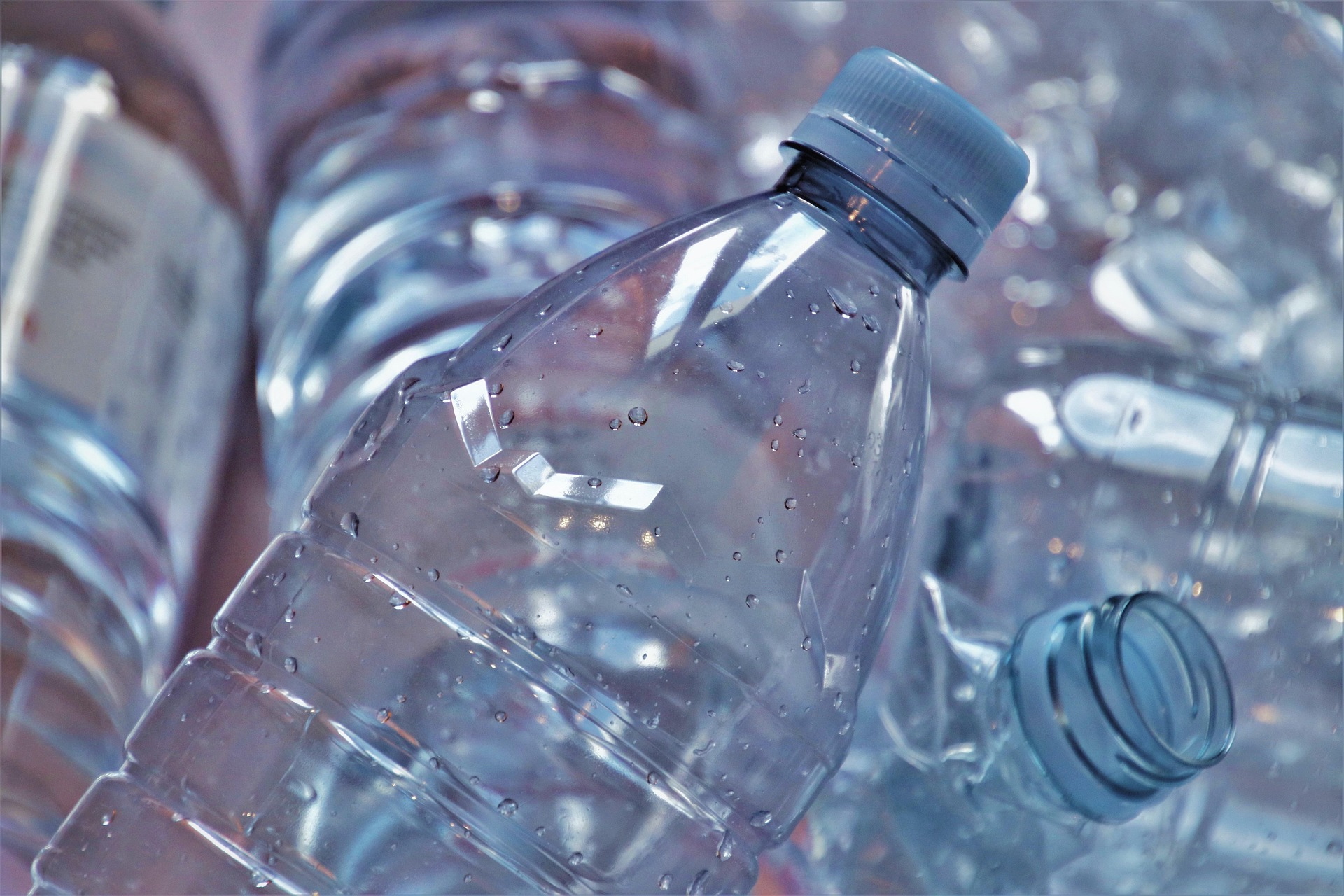



The European Union’s sweeping packaging reform is now moving from political ambition to technical reality. The European Committee for Standardisation (CEN) has completed the first major package of standards designed to determine how plastic packaging will be classified as recyclable across the EU.
The new standards are expected to become a central technical foundation for the upcoming Packaging and Packaging Waste Regulation (PPWR), a regulatory overhaul that could significantly reshape Europe’s packaging industry over the coming years.
14 new standards for plastic packaging
During spring 2026, CEN published several parts of the EN 18120 standard series, focusing on so-called “design for recycling” principles — meaning how packaging should be designed to function effectively within recycling systems.
In total, 14 new standards linked to plastic packaging have now been completed. They cover areas including:
- recyclability assessment
- packaging design for recycling
- material compatibility within sorting and recycling systems
The standards create the first harmonised European framework for evaluating the recyclability of plastic packaging. In practice, this replaces a fragmented landscape of national guidelines and industry-specific systems previously used across Europe.
Companies can begin adapting immediately
The standards are already available through national standards organisations, allowing companies to begin preparing for the upcoming EU requirements well before full implementation.
Using the new framework, companies can:
- test and verify packaging recyclability
- develop packaging aligned with future PPWR requirements
- strengthen competitiveness within the EU market
For packaging manufacturers and food producers, the standards could become essential for avoiding future compliance risks as the PPWR framework takes effect.
PPWR enters broad implementation in 2026
The PPWR regulation covers the entire lifecycle of packaging and introduces requirements related to:
- recyclability
- recycled material content
- labelling and consumer information
- reduction of packaging waste
At the same time, the European Commission has tasked European standardisation bodies with developing the technical methods needed to verify compliance in practice.
M/584 becomes the technical engine
The work originates from the European Commission’s M/584 standardisation request issued in 2022.
Its objective is to create harmonised European standards for plastic recycling and the use of recycled plastics in new products.
In practical terms:
- PPWR defines what companies must achieve
- The M/584 standards define how compliance is measured and verified
By 1 January 2028, the European Commission is also expected to publish official guidance on how all packaging types should be assessed under PPWR Article 6 recyclability requirements.
Those guidelines are expected to rely heavily on the EN 18120 standards for plastics, alongside additional CEN technical specifications covering other packaging materials.
PS Analysis
Europe’s packaging sector is now entering a phase where technical standardisation may become just as important as legislation itself. Until now, recyclability has often been interpreted differently between countries, industries and certification systems.
With PPWR and EN 18120, Europe is moving toward a unified regulatory framework that could reshape everything from material selection and packaging design to investments in recycling infrastructure and technology.
For exporters operating within the EU market, compliance with these standards is likely to become increasingly critical in the years ahead.
Source
CEN, European Commission, SFS.
Fact check
PPWR is the EU’s new Packaging and Packaging Waste Regulation. Unlike previous directives, the regulation will apply directly across all EU member states without requiring separate national implementation. The objective is to increase recycling rates, reduce packaging waste and strengthen the transition toward a circular European economy.