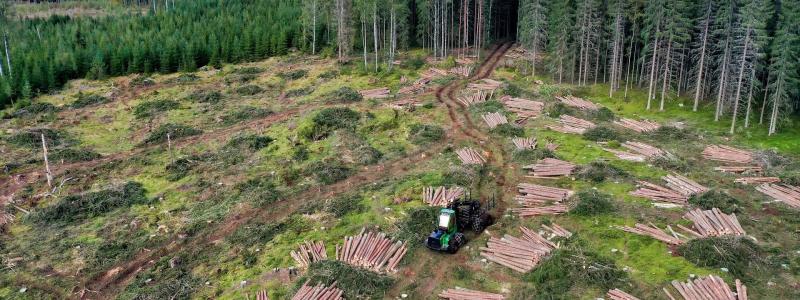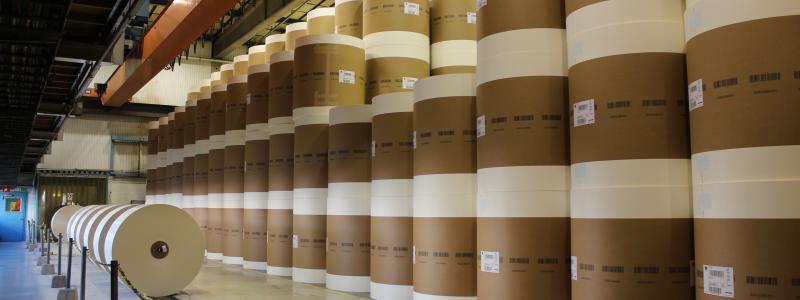




Germany’s timber industry is under mounting pressure as sawmills struggle with a shortage of suitable logs and sharply rising raw material costs. Industry representatives are now warning of an existential crisis if log supply does not improve in the near future.
Several sawmills report reduced operations as the availability of saw logs – particularly spruce – tightens. At the same time, log prices have climbed to levels not seen in decades, according to German market reports. For households relying on firewood, the situation has translated into significantly higher heating costs, with firewood described by some retailers as a luxury product at the start of the year.
Supply tightens after bark beetle years
The current shortage follows an extraordinary period between 2018 and 2022 when storms and widespread bark beetle infestations dramatically increased timber supply. Large volumes of damaged wood entered the market, temporarily boosting output and easing prices.
As those exceptional volumes have now largely disappeared, the market is returning to more normal supply conditions – but without a corresponding increase in harvesting rates. The result is a tighter raw material base for sawmills.
German timber industry representatives have urged forest owners to increase deliveries, warning that insufficient supply could force production lines to halt. Some mills are already operating below capacity.
The situation is described by industry sources as paradoxical. Germany is one of Europe’s most forest-rich countries, yet industrial access to suitable saw logs remains constrained. One contributing factor is that a growing share of wood is directed toward energy production, including wood chips and pellets, reducing availability for sawmills.
The surge in demand for bioenergy following the European energy crisis intensified competition for raw materials. As gas prices spiked, interest in wood-based heating solutions increased, pushing up prices and creating direct competition between the energy sector and the timber processing industry.
For consumers, this has been visible in elevated firewood prices during the winter season. In some regions, supply has been limited, particularly in the early months of the year.
Changing trade patterns
Export patterns for German timber have also shifted. In previous years, significant volumes were shipped to China. That demand has weakened, while trade within Europe has grown. Austria and other neighbouring countries have increased imports of German timber.
At the same time, environmental regulations and biodiversity requirements are influencing harvesting practices. The protection of forest areas and stricter sustainability standards can limit extraction in certain regions. This has added a political dimension to what is already a market-driven imbalance between supply and demand.
Wood is often promoted as a climate-friendly construction material. However, the current shortage highlights that access to raw material cannot be taken for granted. If the industry fails to secure a stable, long-term supply, investment in timber-based construction could slow.
Risk of structural strain
Several analysts argue that the challenges facing Germany’s sawmills are not merely cyclical. Once the extraordinary bark beetle volumes faded, the underlying supply-demand imbalance became more visible, accompanied by higher costs and intensified competition for wood.
If sawmills are forced to scale back further or close, the consequences could ripple through the value chain, affecting construction, furniture manufacturing and rural employment.
At the same time, the sector is sensitive to broader economic conditions. Continued weakness in the European construction market could dampen demand for timber products, further complicating the outlook.
Industry representatives stress that without a stable and competitive raw material supply, operations are at risk. The key question is whether the market can balance energy needs, environmental policy and industrial production without additional sawmills being pushed out.
Source: Maaseudun Tulevaisuus, German industry reports and international market analyses.