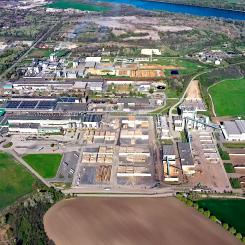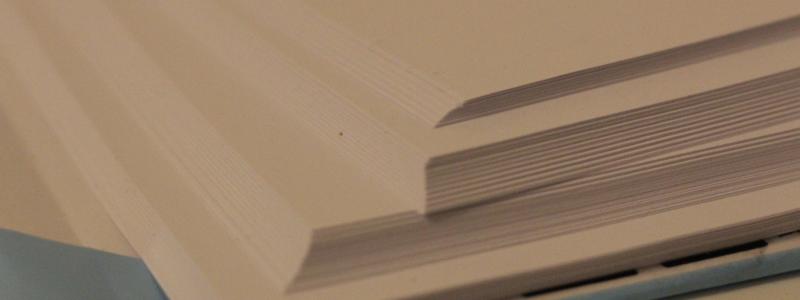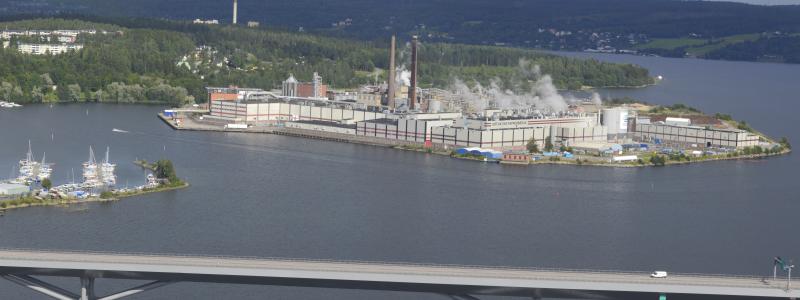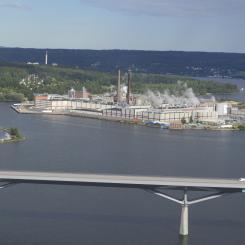

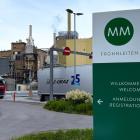
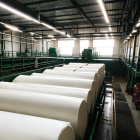
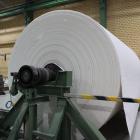
Packaging manufacturer Wipak is relocating part of its medical sterile packaging production from its plant in Sittard, the Netherlands, to Nastola, near Lahti, Finland. The move is driven by electricity grid capacity shortages in parts of the Netherlands, which have prevented the company from expanding production. The investment is expected to create around 50 new jobs in Finland.
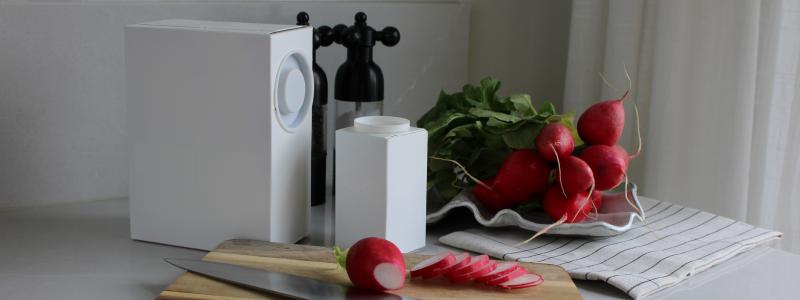
Demand for sterile medical packaging has grown rapidly in recent years as healthcare providers require increasing volumes of packaging used to sterilise and safely store surgical instruments and other medical devices.
Wipak currently manufactures these products at both its Sittard facility in the Netherlands and its production site in Nastola.
Grid capacity shortages halt expansion
Despite strong market growth, Wipak has been unable to expand its Dutch operations because of increasing constraints on the country's electricity grid, an issue affecting a growing number of industrial companies.
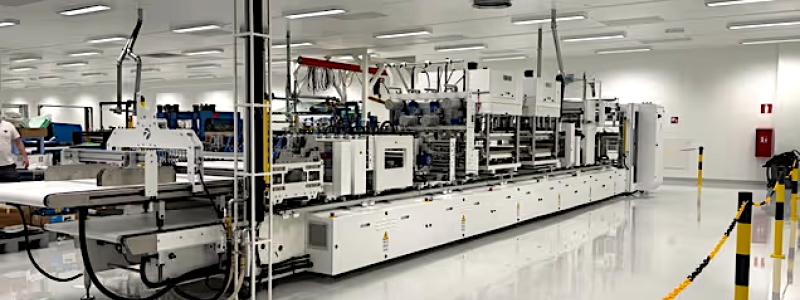
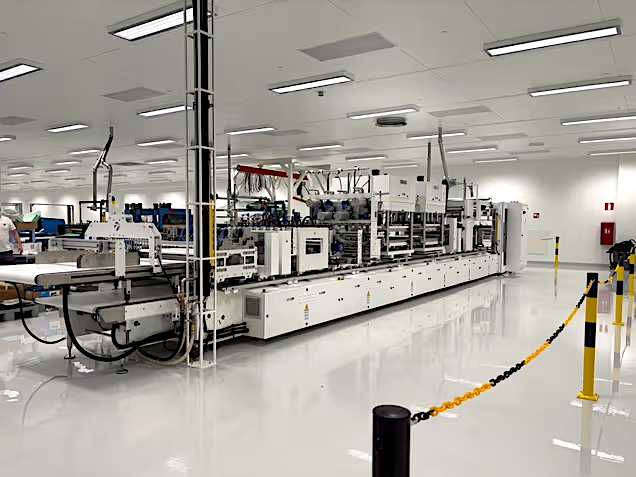
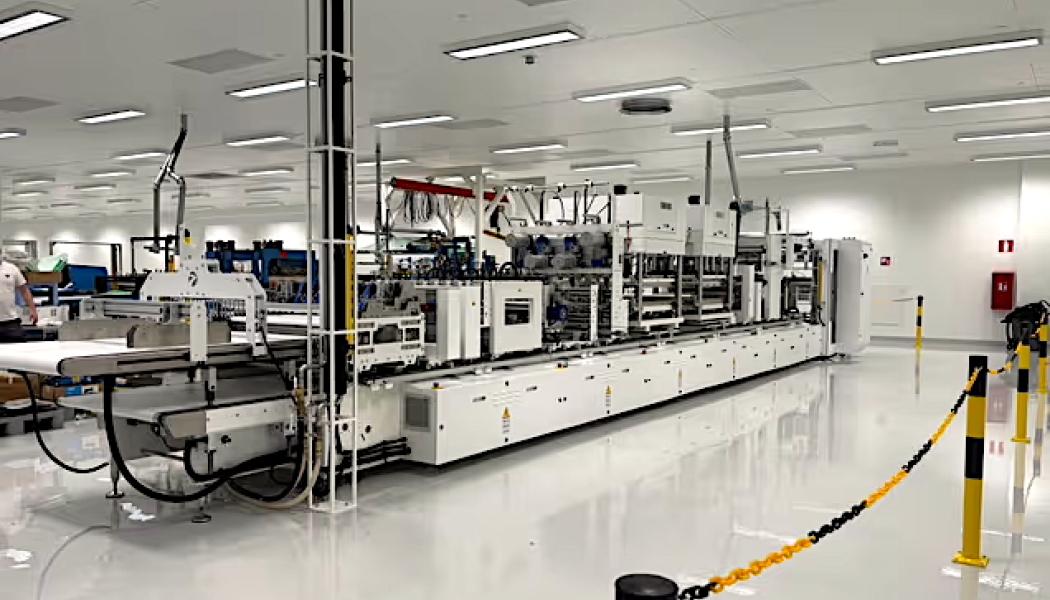
Medical sterile packaging is manufactured in highly controlled cleanroom environments equipped with advanced ventilation and filtration systems that require significant amounts of electricity to maintain strict hygiene standards.
"We are building a new cleanroom production hall in Nastola, installing new production lines and relocating some machinery from the Netherlands. We have also begun gradually transferring production for certain customers to Finland," says Tomi Ruusunen, Chief Executive Officer of Wipak.
The entire production transfer is expected to take approximately 18 months.
Investment creates new jobs
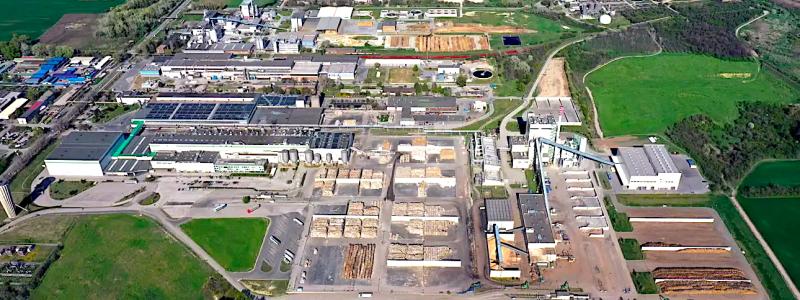
Wipak currently employs around 400 people at its Lahti operations, where it manufactures packaging materials for both the food industry and the healthcare sector.
About 80 employees currently work in medical packaging production. As the operation expands, the company expects to recruit an additional 50 employees.
According to Tomi Ruusunen, the required workforce is expected to be available locally.
"This is modern industrial work carried out in a clean and controlled production environment. No specific prior education is required, although employees must be able to perform precise manufacturing tasks. We provide comprehensive training to ensure they can safely operate the production equipment," he says.
Electricity grids are becoming a major industrial bottleneck
Wipak's decision highlights a growing challenge across Europe. In several regions—particularly in the Netherlands—limited electricity grid capacity has become a major obstacle to industrial expansion.
The rapid electrification of industry, combined with growing demand from data centres, battery factories and other energy-intensive industries, has pushed many electricity networks close to their limits, delaying new investments.
For Finland, however, the situation presents an opportunity. The country's relatively abundant electricity supply, competitive energy prices and robust grid infrastructure are making it an increasingly attractive destination for industrial investments that can no longer be accommodated elsewhere in Europe.
Sources: Wipak, Etelä-Suomen Sanomat.