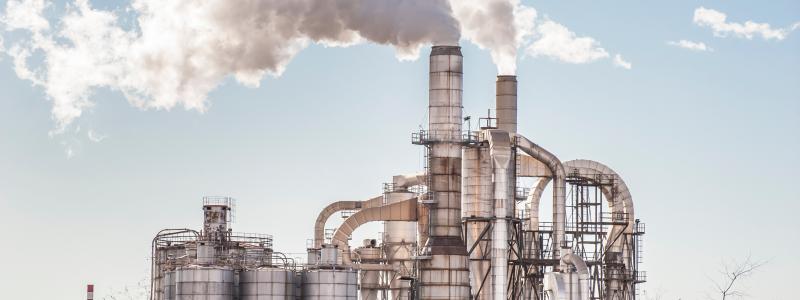



Industrial combined heat and power (CHP) plants are expected to play an increasingly important role as manufacturers work to reduce carbon emissions while improving energy flexibility. Rather than replacing existing facilities, many operators are choosing to modernise boilers, control systems and flue gas treatment equipment to improve efficiency, reliability and environmental performance.
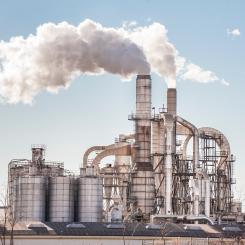
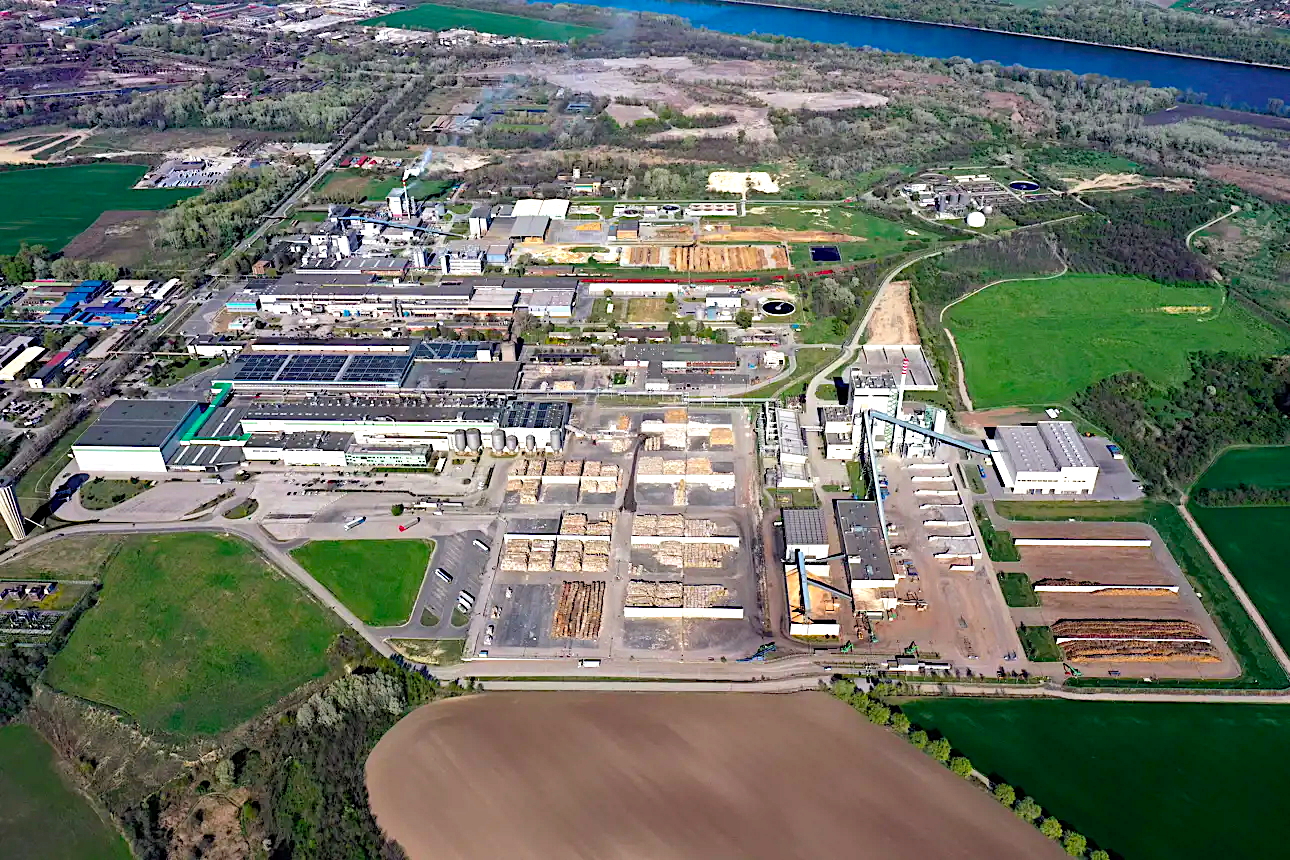
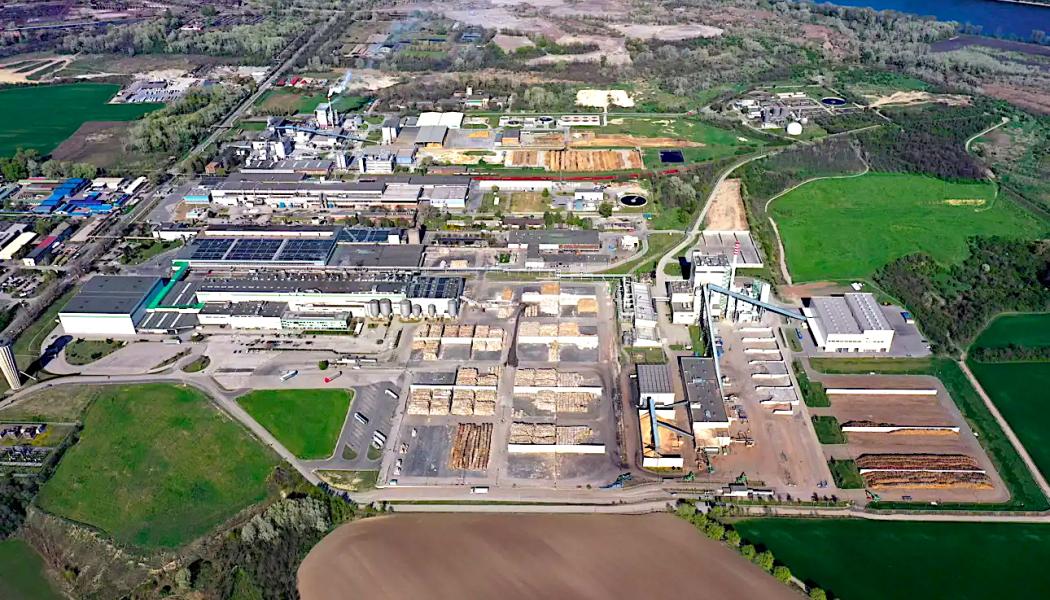
A recent example comes from Hungary, where one of Europe's largest recycled containerboard mills is upgrading its on-site power plant to reduce coal consumption, increase operational flexibility and improve overall energy efficiency.
Existing Plants Are Being Modernised
Instead of investing in entirely new generating capacity, the mill is implementing a series of targeted upgrades designed to extend the lifetime and performance of its existing CHP plant.
The modernisation includes new additive dosing systems for flue gas cleaning, upgraded steam systems and an automated boiler cleaning solution that removes deposits from superheaters and economisers. Improved heat transfer allows the boiler to operate more efficiently while reducing maintenance requirements.
Additional boiler modifications will also enable the facility to operate safely with a more diversified fuel mix.
Coal Share to Be Reduced
One of the project's primary objectives is to reduce reliance on fossil fuels.
According to the development plans, coal will account for 15% of the plant's fuel mix, down from the current 20%. The changes are expected to improve energy efficiency while reducing carbon dioxide emissions.
This type of gradual modernisation is becoming increasingly common across energy-intensive industries, where operators often achieve greater economic value by upgrading existing infrastructure rather than constructing entirely new energy facilities.
Digital Monitoring Supports Predictive Maintenance
Digitalisation has become another key element of industrial power generation.
Modern sensor networks and automated control systems continuously monitor boiler performance, allowing operators to detect abnormalities before they develop into costly failures or unplanned shutdowns.
Condition-based monitoring enables maintenance to be scheduled according to actual equipment performance rather than fixed service intervals, increasing plant availability while lowering operating and maintenance costs.
Greater operational flexibility also allows industrial CHP plants to participate in electricity balancing and reserve markets, creating additional revenue opportunities by adjusting power output in response to grid demand.
Production Residues Become an Energy Resource
The project also illustrates how paper mills are making greater use of their own production residues to generate renewable energy.
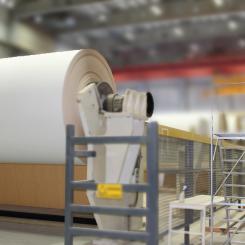
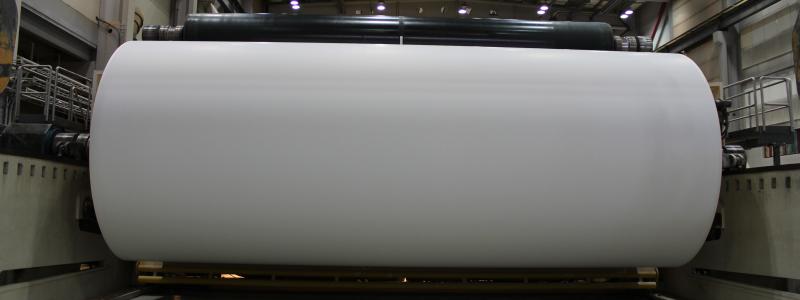
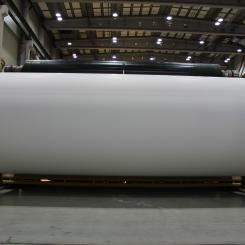
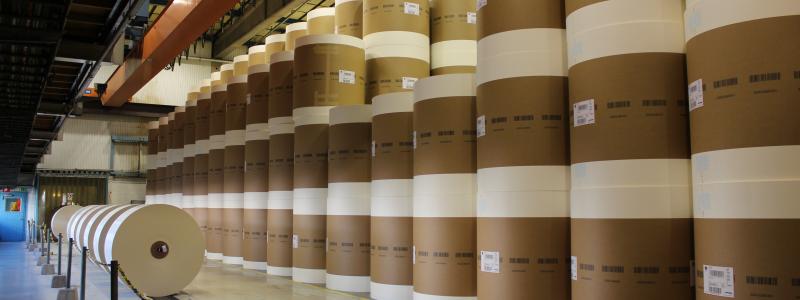
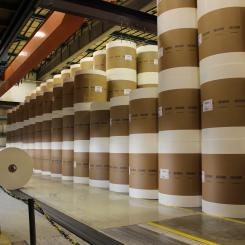
The Hungarian facility produces approximately 700,000 tonnes of recycled containerboard annually, using recovered paper as its sole raw material. Residues from the production process are converted into energy to supply much of the mill's own electricity and heat demand.
Wastewater is treated biologically, producing biogas that is used for combined heat and power generation, further reducing dependence on external energy sources while lowering the plant's environmental footprint.
Modernisation Expected to Continue
As industrial decarbonization accelerates and electricity systems become increasingly dependent on variable renewable generation, existing CHP plants are expected to undergo further modernisation.
Rather than focusing solely on building new capacity, many industrial operators are investing in advanced automation, improved combustion systems, digital process control and cleaner fuel strategies to increase efficiency while reducing emissions.
For energy-intensive industries, these upgrades are expected to become an essential part of maintaining competitiveness while meeting increasingly demanding climate targets.
Source: Valmet; Hamburger Containerboard Dunaújváros (Prinzhorn Group).
Fact Box
Modernising Industrial CHP Plants
- Step-by-step upgrades instead of a complete replacement.
- Automated boiler cleaning improves heat transfer efficiency.
- Digital monitoring enables predictive maintenance.
- Lower coal consumption through optimised fuel mixes.
- Greater flexibility allows participation in electricity balancing markets.
Fact Check:
The modernisation project at Hamburger Containerboard Dunaújváros includes automated boiler cleaning, upgraded steam systems and modifications to support a more diversified fuel mix. According to the published plans, the share of coal will be reduced from 20% to 15%, while improving plant efficiency, operational reliability and flexibility. The information is based on project details released by Valmet and Hamburger Containerboard Dunaújváros.