


As companies around the world replace plastic packaging with paper-based alternatives, questions are growing about the environmental impact of paper production. In Uruguay, the debate has intensified following several years of drought and water shortages.
The country's rapidly expanding forestry and pulp industry is facing increasing scrutiny from environmental groups, researchers, and local communities concerned about the large volumes of water required for pulp production.
One of the World's Largest Pulp Mills
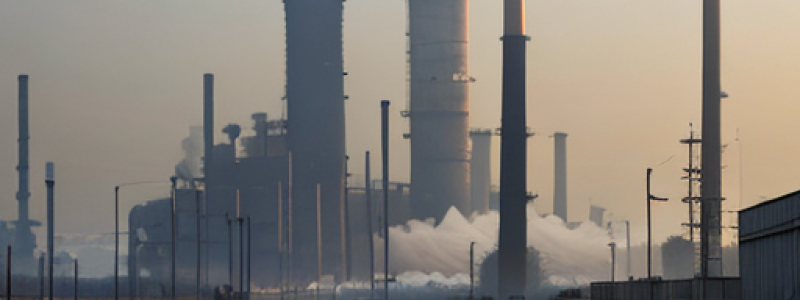
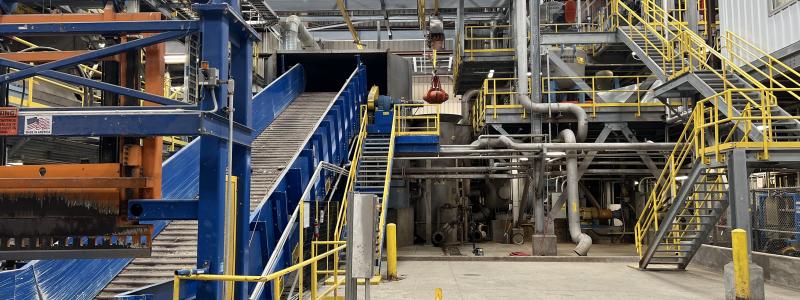
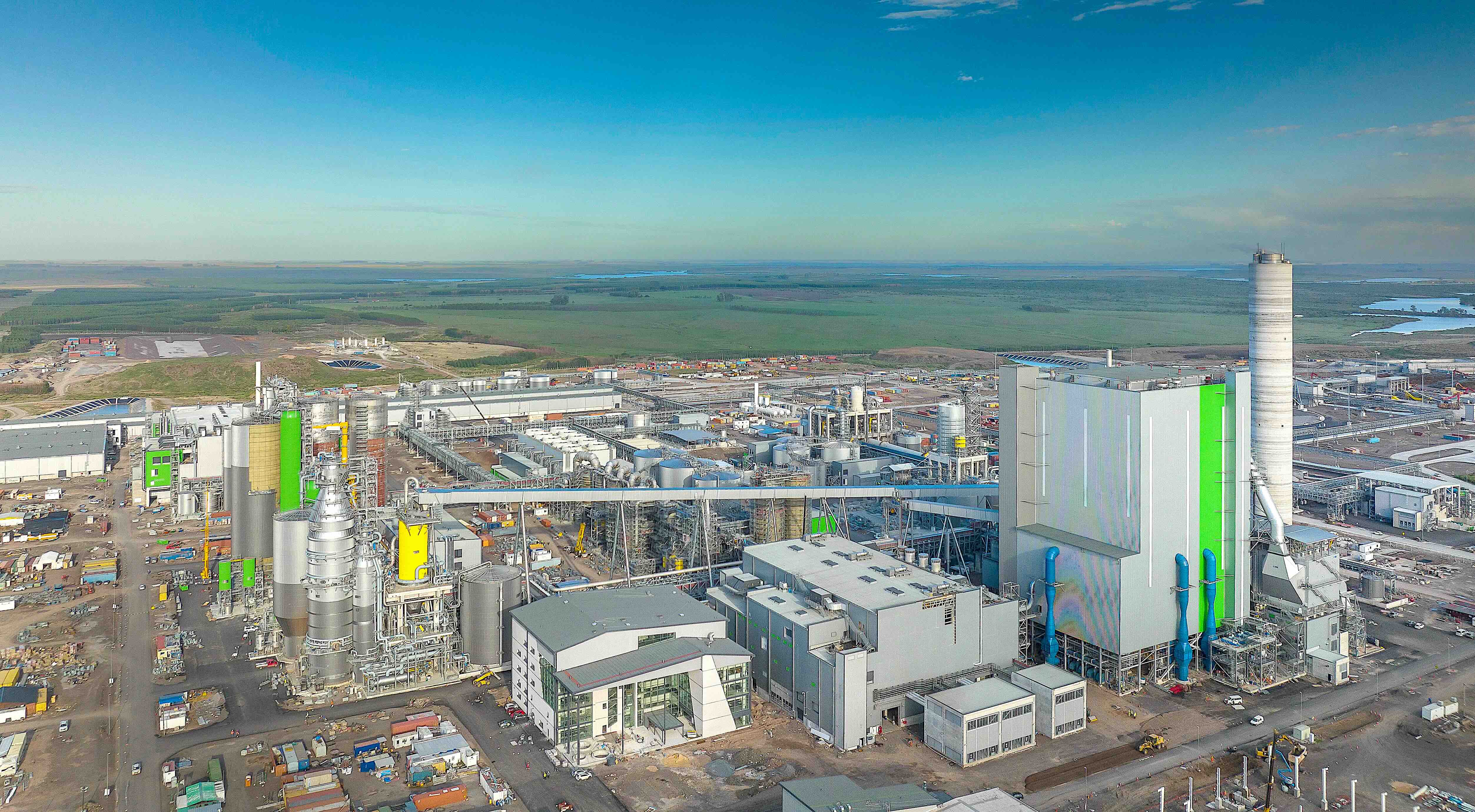
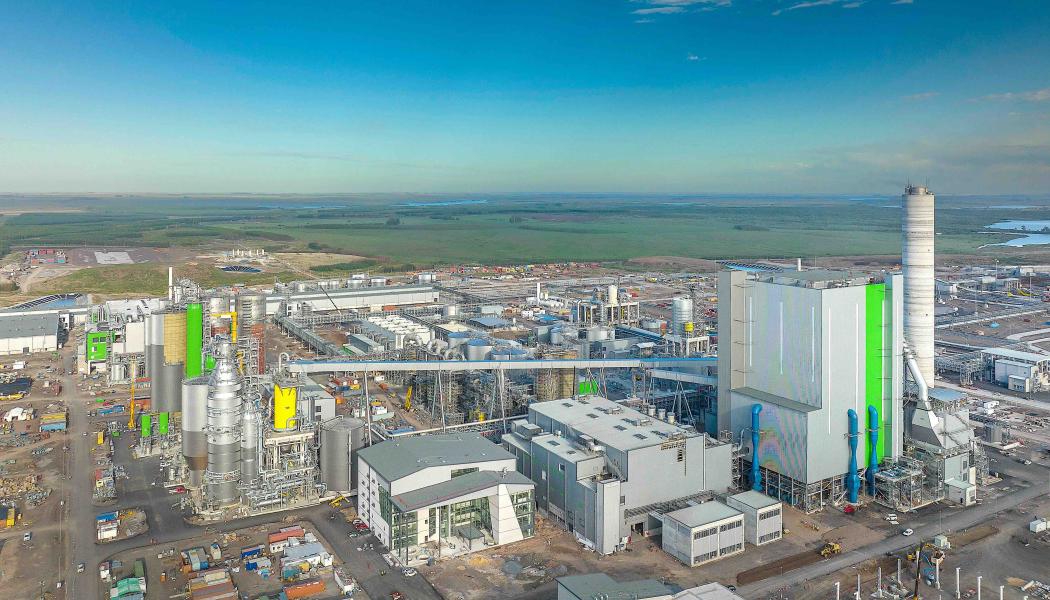
At the centre of the debate is Finnish forestry company UPM's pulp mill in Paso de los Toros, located in central Uruguay.
According to UPM, the facility draws approximately 1.5 cubic meters of water per second from the Río Negro river. The company states that around 80 per cent of the water is returned to the river after treatment and that the withdrawal represents less than one per cent of the river's average flow.
Drought Has Changed the Debate
Uruguay experienced its worst water crisis in decades during 2023. Water levels in several reservoirs dropped sharply, and the capital, Montevideo, was at times forced to use water with elevated salinity.
Critics argue that extensive eucalyptus plantations and the growing pulp industry are placing additional pressure on water resources in a country already affected by climate change and recurring droughts.
Industry representatives reject claims that pulp production is the primary cause of the problem. Instead, they point to agriculture, wastewater discharges, and climate-related changes as having a much greater impact on water quality and availability.
Environmental Incident Led to Fine
The debate has also been fueled by environmental incidents involving the new mill.
In 2024, Uruguay's environmental authorities fined UPM following a chemical leak at the facility. The incident affected water quality and caused fish deaths in a nearby waterway. The company subsequently implemented measures to prevent similar events in the future.
Paper Is Not Always a Clear-Cut Alternative
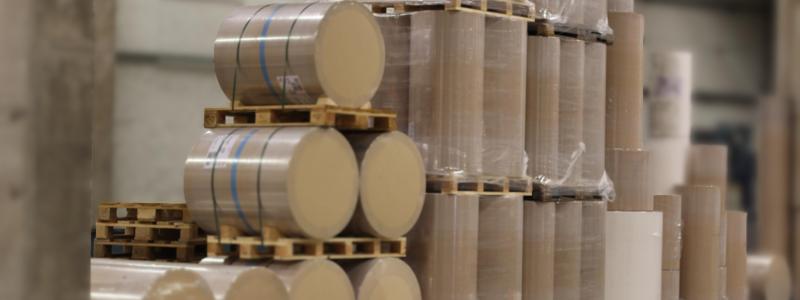
Paper is often promoted as a more environmentally friendly alternative to plastic because it is biodegradable and recyclable. However, pulp and paper production remains both energy- and water-intensive, particularly when producing virgin pulp.
Industry representatives emphasise that modern mills have become significantly more efficient in terms of water consumption and wastewater treatment. Critics, however, argue that growing demand for paper-based disposable products risks shifting environmental concerns from plastic waste to increased pressure on forests and freshwater resources.
As climate change raises the risk of drought in many parts of the world, industrial water consumption is expected to become an increasingly important factor in future investment decisions across the pulp and paper sector.
Source: BBC, UPM, Uruguayan environmental authorities