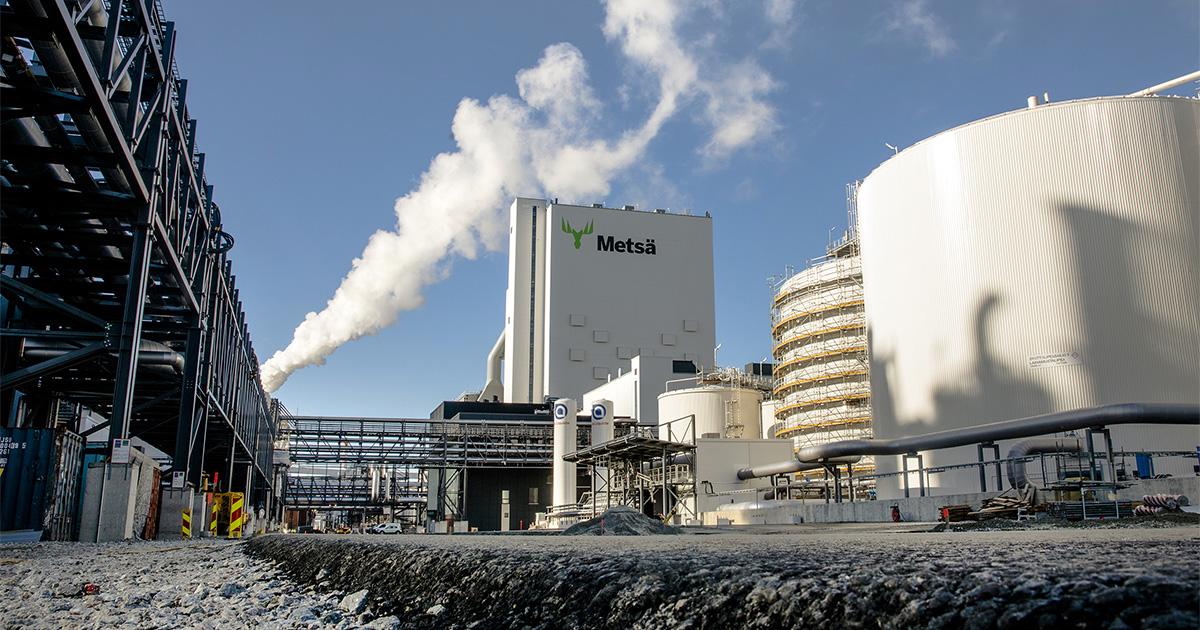

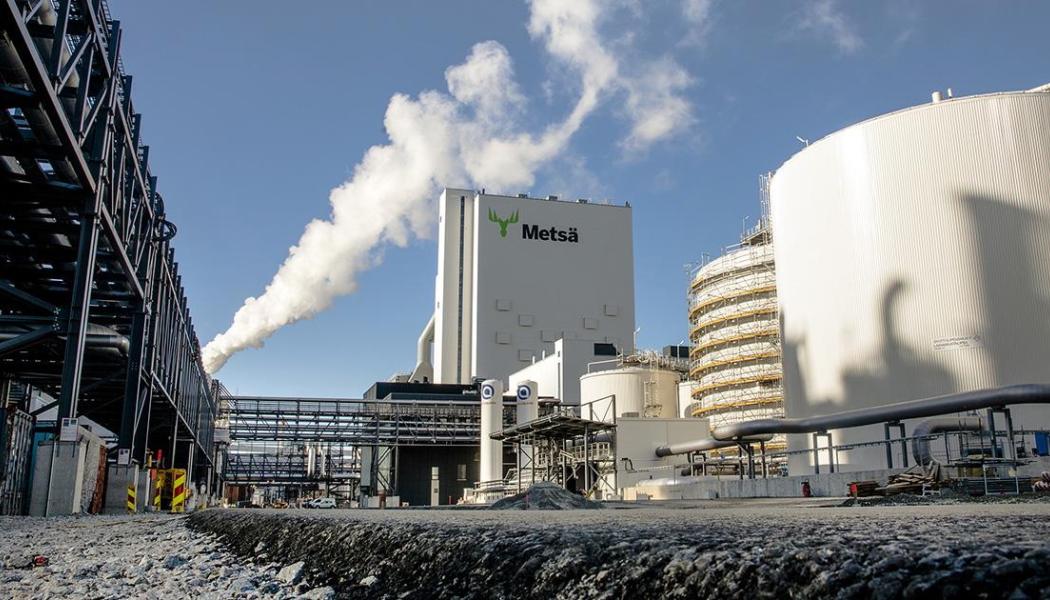
Metsä Fibre will modernise the cooking system at its bioproduct mill in Kemi as part of a project to improve material efficiency, raw material flexibility and production reliability.
The project will be carried out in cooperation with technology supplier Andritz, with the startup of the upgraded system scheduled for the fourth quarter of 2026.
According to Metsä Fibre, the investment is intended to strengthen operational reliability at the Kemi bioproduct mill while improving the mill’s ability to utilise different raw material streams more efficiently.
Finnish pulp producer upgrades key process systems in Kemi
“The modernisation will support the availability and material efficiency of the Kemi bioproduct mill, increase flexibility in raw material usage and support the mill’s planned production levels,” said CEO Ismo Nousiainen.
The investment also continues the long-standing cooperation between Metsä Fibre and Andritz. The technology supplier previously delivered several major process systems, including the fibre line, to Metsä Fibre’s bioproduct mill in Äänekoski.
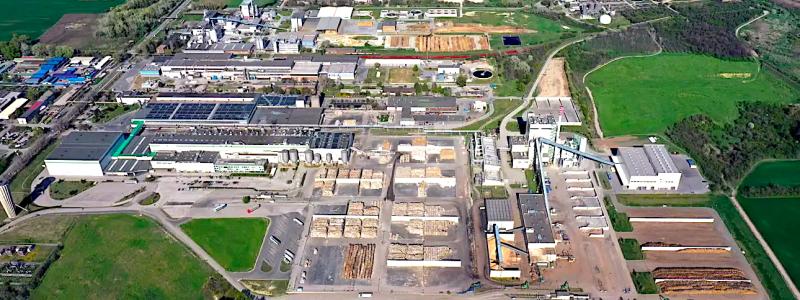
The Kemi bioproduct mill is one of Metsä Group’s flagship industrial facilities and plays a central role in the company’s pulp production network.
Kemi bioproduct mill to improve efficiency and raw material flexibility
Metsä Fibre produces softwood and hardwood pulp, sawn timber, bioproducts and bioenergy. The company operates multiple production sites in Finland and supplies global pulp and wood products markets.
The modernisation comes as Nordic forest industry companies continue investing in process optimisation and efficiency improvements to manage rising costs and growing international competition.
Source: Metsä Fibre
Fact check:
A cooking system is one of the core process units in a pulp mill, where wood chips are chemically treated under heat and pressure to separate fibres for pulp production. Improvements in cooking efficiency can reduce raw material consumption, improve energy performance and increase production stability.