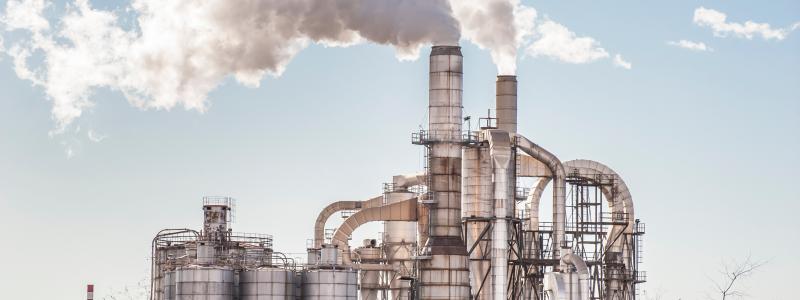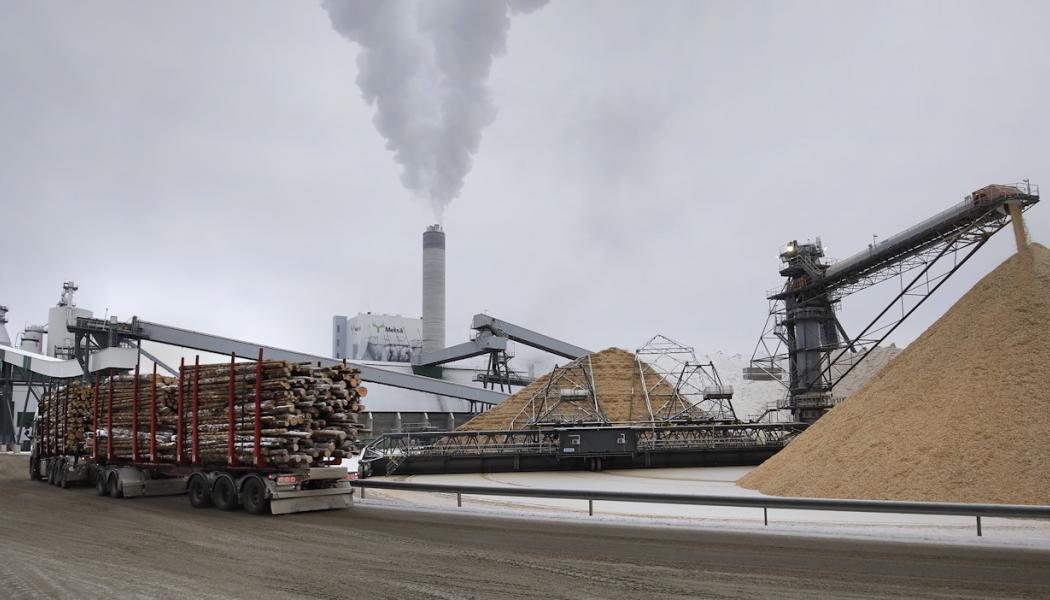
Finnish forest industry companies and research institutes are increasingly looking at carbon dioxide not merely as an emission problem, but as a potential raw material for entirely new industrial businesses worth billions of euros. That is according to the Finnish newspaper Maaseudun Tulevaisuus.
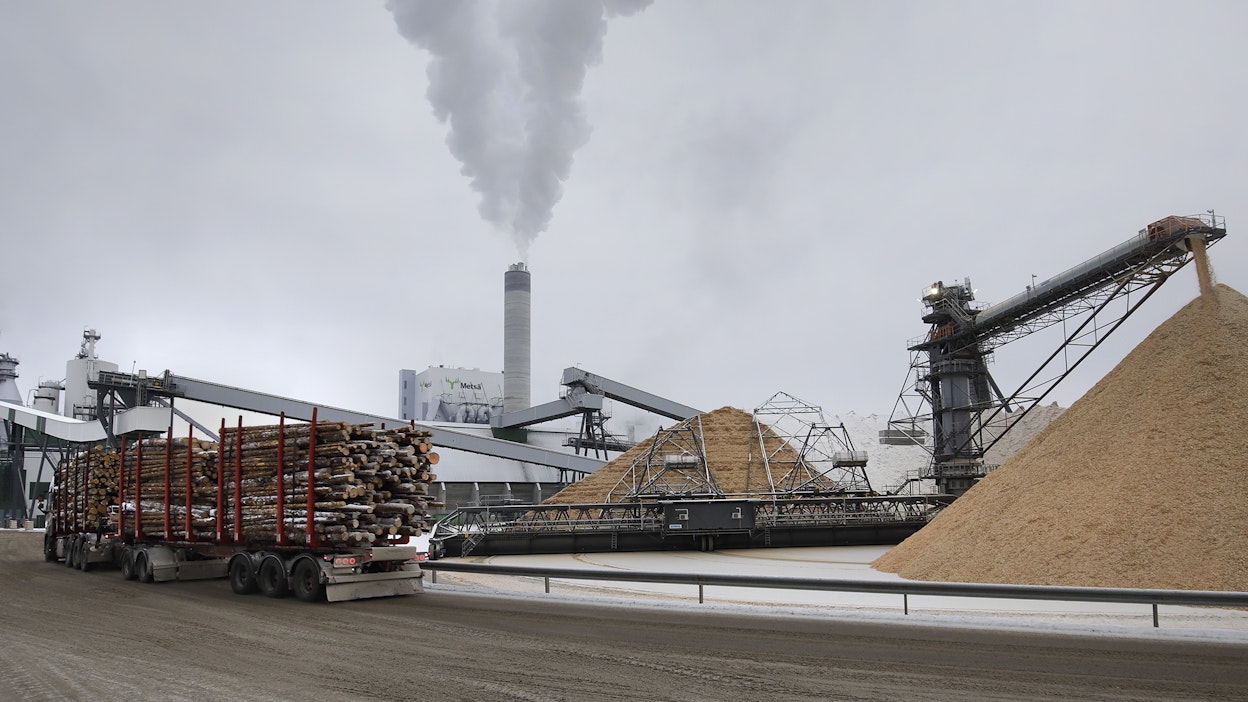
The shift comes as Finland’s forest industry and bioenergy plants continue to emit tens of millions of tonnes of biogenic carbon dioxide every year. Researchers and industrial groups now want to capture and utilise these emissions for new products, synthetic fuels and carbon storage solutions.
According to Finland’s Natural Resources Institute Luke, further processing of carbon dioxide emissions from the forest industry could eventually develop into a multi-billion-euro business for several Finnish regions.
The issue is receiving growing attention as Finland’s traditional forest industry faces weaker paper demand, rising production costs and increasingly strict EU climate regulations.
Carbon dioxide seen as new raw material
Luke and the Finnish research centre VTT have previously published studies suggesting that biogenic carbon dioxide from Finland’s forest industry could be used to produce synthetic fuels, chemicals and various forms of carbon storage.
In one report, researchers estimated that a future carbon economy could contribute between €2.6bn and €8.6bn to Finland’s economy by 2040, depending on technological choices and profitability.
The plans largely rely on combining biogenic carbon dioxide from pulp mills and bioenergy facilities with hydrogen to produce electrofuels such as aviation fuel.
However, this is also where major uncertainties remain.
The technologies require enormous amounts of fossil-free electricity and very large investments in both carbon capture systems and hydrogen production. Luke and VTT estimate that total investment needs could reach approximately €36bn by 2040.
In addition, many of the technologies are still at an early stage of development and remain heavily dependent on public subsidies and future EU regulations to become commercially viable.
Forest industry seeks new revenue streams
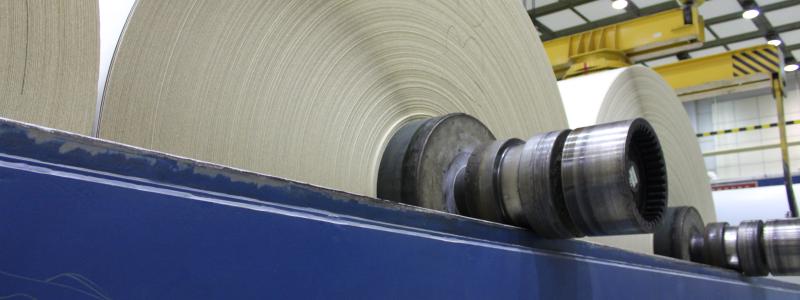
The discussion comes as Finland’s forest sector searches for new business models after years of structural changes in the paper and pulp industries.
Several mills have either closed or shifted production in recent years, while the climate impact of the forest industry has come under increasing scrutiny.
According to Luke, the forest sector’s direct energy-related emissions amounted to around three million tonnes of carbon dioxide equivalents in 2023.
At the same time, Finland’s forests have increasingly lost their role as a major carbon sink. Luke previously stated that Finnish forests have, in some calculations, become a net emissions source due to increased logging and rising emissions from peatlands.
This has increased pressure on the industry to find technical solutions that reduce emissions without simultaneously reducing the use of forest raw materials.
Critics, however, warn that the growing enthusiasm surrounding the carbon economy and hydrogen risks repeating the same overly optimistic assumptions that have already affected several green industrial projects across the Nordic region.
Several European hydrogen projects have faced delays, financial problems and weak market demand in recent years. At the same time, green hydrogen production remains expensive and highly dependent on subsidies and low-cost electricity.
Carbon capture and storage technologies are also costly and energy-intensive, while only a limited number of large-scale commercial facilities are currently operating in Europe.
The industry sees significant opportunities
Despite this, both research institutes and parts of the industry see significant opportunities if EU climate policies continue to drive demand for synthetic fuels and carbon-based products.
– The question is whether Finland should actively build a carbon economy or become merely a raw material supplier while further processing takes place elsewhere, Luke previously stated in connection with the publication of its analysis.
Source: Maaseudun Tulevaisuus, Natural Resources Institute Finland (Luke) and VTT
Fact check:
Biogenic carbon dioxide is generated through the combustion or processing of biomass, such as wood and forestry by-products. Unlike fossil emissions, the carbon originally comes from the atmosphere through growing trees. Technologies for capturing and utilising biogenic carbon dioxide are often linked to hydrogen production, requiring large amounts of electricity and major investments in new industrial infrastructure.