

The global paper bag market is steadily expanding, valued at approximately US$6.4 billion in 2025 and projected to reach US$9.6 billion by 2032, growing at a CAGR of 5.9% during the forecast period. This growth stems from rising environmental awareness, legislative bans on plastic bags, and the rapid expansion of retail and foodservice industries.
Sustainability Push and Regulatory Support Accelerate Paper Bag Adoption
The worldwide shift toward sustainable packaging solutions is significantly increasing demand for paper bags. Governments across major economies are implementing stringent restrictions and outright bans on single-use plastic bags, compelling retailers and foodservice operators to transition to eco-friendly alternatives. Paper bags, known for their biodegradable and recyclable properties, have emerged as a preferred substitute in response to these regulatory mandates. In recent years, multiple countries across Europe and Asia Pacific have strengthened plastic reduction frameworks, directly influencing packaging procurement decisions in retail chains and quick-service restaurants. Large supermarket groups and apparel brands are replacing conventional plastic carry bags with kraft paper formats to align with sustainability targets and evolving consumer sentiment. Beyond compliance, corporate environmental commitments are reshaping procurement strategies. Brands are actively promoting recyclable paper packaging as part of broader ESG initiatives, reinforcing consumer trust and brand value. In high-growth regions such as Asia Pacific, rising environmental awareness among urban populations further supports adoption. Regulatory backing and sustainability goals are creating a stable, long-term demand base for paper bags worldwide.
Key Highlights
- The global paper bag market is projected to reach US$ 9.6 billion by 2032, expanding steadily amid sustainability-driven demand.
- Asia Pacific is the fastest-growing region, expected to register a CAGR of 6.2% through 2032, supported by strong manufacturing capabilities.
- Rising bans on single-use plastics worldwide are accelerating the shift toward recyclable and biodegradable paper packaging.
- The food industry remains a core end-use segment, with widespread adoption in grocery, takeaway, and quick-service applications.
- Rapid e-commerce expansion in North America is strengthening demand for durable, paper-based packaging solutions.
Retail Expansion and E-Commerce Boom Strengthen Market Demand
The rapid expansion of organized retail and the continued surge in e-commerce are playing a central role in boosting paper bag consumption. Supermarkets, hypermarkets, specialty stores, and luxury boutiques increasingly prefer paper bags to enhance brand perception and meet regulatory standards. The growing number of retail outlets in developing economies is translating into higher procurement volumes for customized and branded paper bags. E-commerce growth has also transformed packaging dynamics. Online retailers and food delivery platforms require lightweight yet durable packaging solutions that support product protection and sustainable positioning. Paper bags are widely adopted for grocery deliveries, takeaway meals, pharmacy dispatches, and fashion shipments. In 2025, global retail trade volumes recorded steady expansion, supported by rising consumer spending in emerging markets. This retail momentum directly supports the paper bag industry, as businesses seek cost-effective and environmentally responsible packaging formats. In regions such as North America and Europe, premium retailers are leveraging high-quality printed paper bags as a branding tool, strengthening customer engagement.
Innovation in Durability and Functional Performance Enhances Market Competitiveness
Manufacturers are actively investing in product innovation to overcome traditional limitations associated with paper bags, such as lower resistance to moisture and heavy loads. Advanced kraft paper grades, multi-ply constructions, and reinforced flat or twisted handles are improving strength and load-bearing capacity. These enhancements allow paper bags to serve applications ranging from grocery packaging to industrial bulk use. Water-resistant coatings and barrier technologies are gaining traction, particularly in foodservice and takeaway segments where exposure to moisture is common. Such innovations expand the functional scope of paper bags while maintaining recyclability standards. Printing technology is also evolving rapidly. High-definition flexographic and digital printing enable vibrant branding, seasonal promotions, and customized retail messaging. Luxury brands, in particular, use premium laminated and textured paper bags to enhance customer experience. In Asia Pacific, manufacturers are scaling up automated production lines to deliver both volume efficiency and design versatility. Continuous improvements in durability, customization, and functional performance are strengthening the market's value proposition. These advancements ensure that paper bags are no longer viewed solely as regulatory substitutes but as strategic packaging solutions aligned with sustainability and brand differentiation goals.
Key Highlight: API Group's Expansion into Paper Bag Market in 2026
In February 2026, API Group Holding launched a new division called Advance Paperbag, Inc. focused on producing high-quality paper bags for the grocery, retail and foodservice industries, marking a strategic expansion of its packaging portfolio into sustainable paper packaging options.
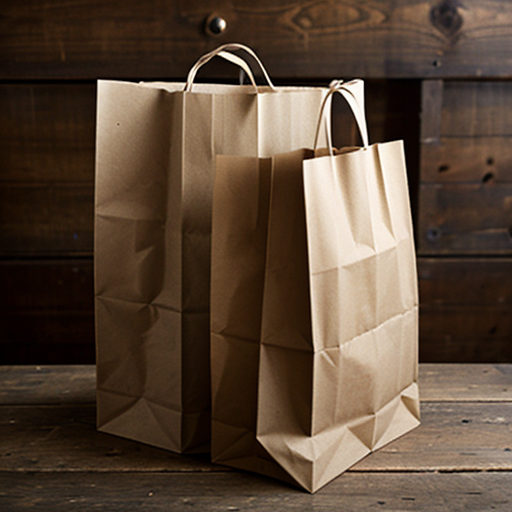
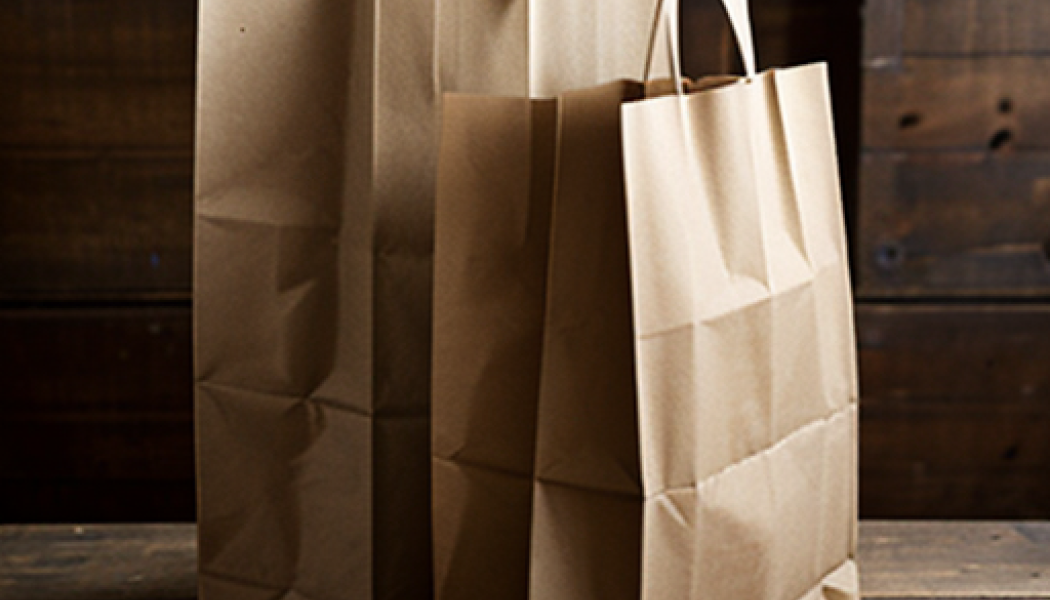
The new product line includes durable paper bags with options for flat, twisted, or no handles, available in natural and white Kraft finishes, and customizable with up to four print colors, enabling retailers to both reinforce their brand and replace traditional plastic bags.
Advance Paperbag operates from a 165,000-square-foot manufacturing facility supported by a US $20 million investment by API Group. The facility was inaugurated on January 13, 2026, with a ribbon-cutting ceremony attended by API Group leadership and local officials, underlining the company's commitment to scaling manufacturing capacity in the paper bag segment.
According to API Group executives, Advance Paperbag aims to offer impact-driven, customer-centered packaging solutions that deliver value for buyers and measurable results for sellers, combining quality materials, practical design, and customizable branding to meet shifting consumer expectations and environmental commitments.
Request For Customization: https://www.persistencemarketresearch.com/request-customization/35339
Segmentation Insights: Food Industry at the Core of Demand
The food sector remains a primary end user of paper bags, relying on them for safe, convenient, and sustainable packaging of various food and beverage products. Paper bags are widely used for grocery purchases, takeaway meals, snacks, and beverages due to their recyclability and biodegradability. Growing regulations against environmentally harmful packaging materials have accelerated the shift toward green paper packaging across global markets. From food delivery bags and oil-resistant snack bags to packaging used in fast-food outlets such as KFC, paper-based solutions continue to replace plastic alternatives in everyday food applications.
Regional Insights: Asia Pacific Leads in Production Growth and North America Accelerates Sustainable E-Commerce Packaging
Asia Pacific is projected to register a CAGR of 6.2% through 2032, positioning it as the fastest-growing regional market. The region leads global production due to strong manufacturing infrastructure, cost-effective labor, and abundant availability of recycled and virgin paper. Countries such as China, Japan, and India anchor this growth with well-established paper and packaging industries. Continued investments in automation and sustainable packaging technologies reinforce Asia Pacific's production dominance. North America is witnessing steady expansion driven by rapid e-commerce growth and strict single-use plastic regulations. Retailers and logistics providers are increasingly adopting paper-based packaging to meet sustainability commitments and evolving consumer expectations. Major players such as Amazon, Walmart, and Target have accelerated the transition toward recyclable paper mailers and corrugated packaging. This shift reflects broader efforts to build greener supply chains while maintaining packaging durability and efficiency. Europe's market growth is supported by strong environmental regulations and a rising preference for "Made in Europe" packaging solutions. Consumers and businesses favor locally sourced, sustainable paper products to reduce carbon footprints and support regional industries. EUROSAC represents over 80% of Europe's multi-wall paper sack manufacturers, with members across 20 countries producing around 5 billion paper sacks annually. Regulatory backing and established industry networks continue to strengthen Europe's position in sustainable paper packaging.
Key Players and Business Strategies
Leading participants in the paper bag market include WestRock, International Paper, Smurfit Kappa, Mondi Group, Novolex, Oji Holdings Corporation, DS Smith, Amcor plc, Papier-Mettler, Welton Bibby & Baron, ProAmpac, Langston Bag, and York Paper Company Ltd.