

The European pulp and paper industry fully supports the EU’s objective of achieving climate neutrality by 2050. The sector is already contributing significantly through decarbonised production (with a 46% reduction in CO₂ emissions since 2005[i]), sustainable forest management, and fibre-based products that store biogenic carbon and substitute fossil-intensive alternatives.
Climate change is primarily driven by fossil fuel emissions, while natural and technical carbon sinks can help mitigate its impacts through removals. The expanding forest-based bioeconomy – accounting for one in five manufacturing sites in Europe and relying on EU-grown raw materials – provides citizens with products that have a low climate footprint and reduce demand for fossil-based products and energy.
At the same time, Europe faces challenges from climate change that are affecting forest sink capacity, including an intensification of natural disturbances. Many Member States are struggling to meet the 2030 sink targets due to factors such as forest age dynamics, increased fires, droughts and pest outbreaks, and higher harvest levels due to salvage logging and geopolitical factors[ii].
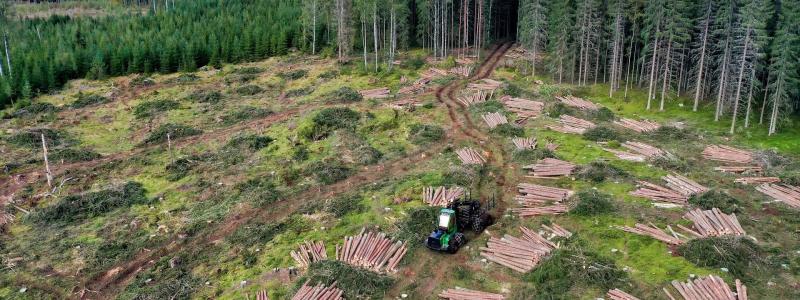
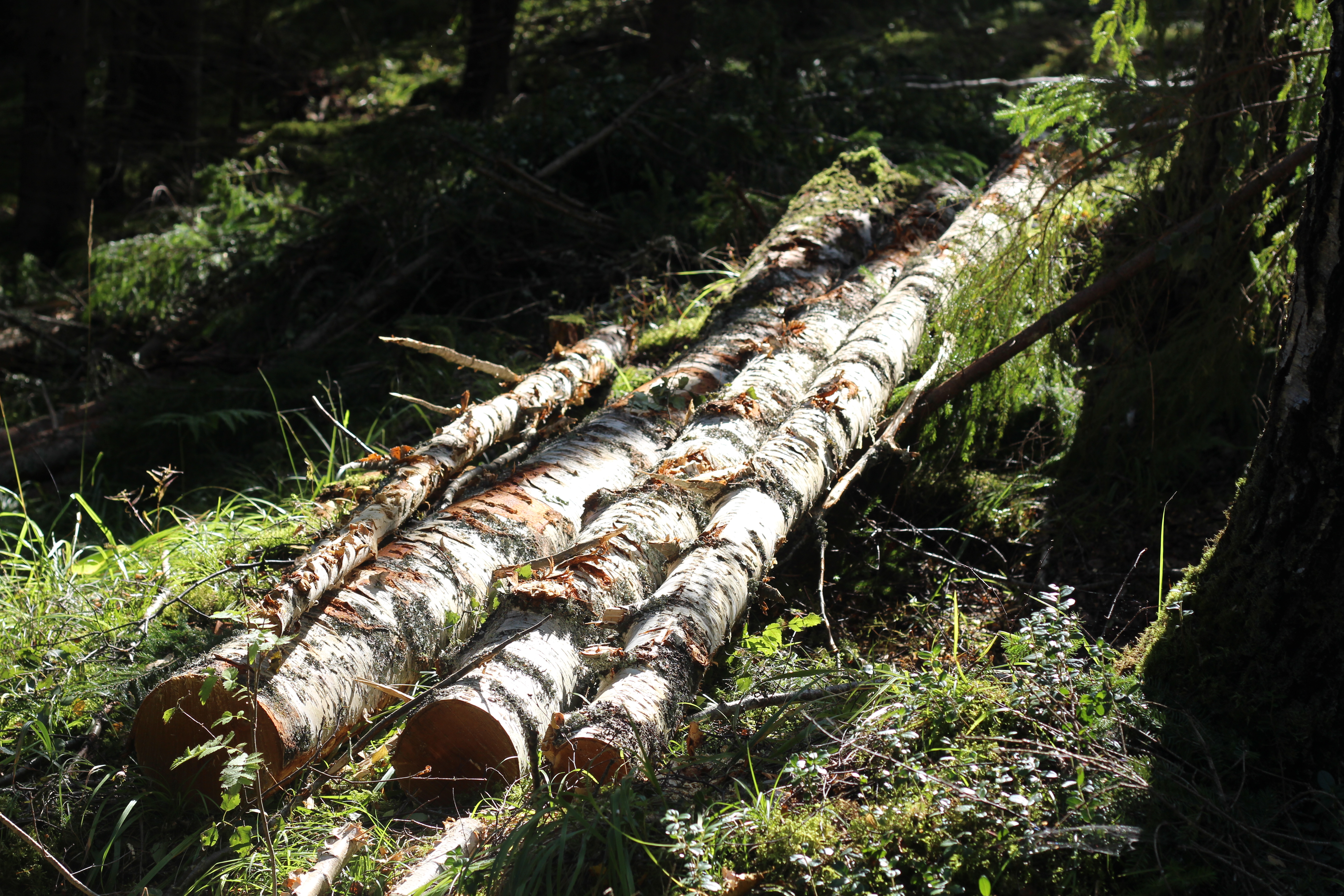
Active and sustainable forest management is of paramount importance to enhance forest resilience, stimulate growth, and secure the supply of climate-friendly raw materials, thereby maximising overall climate benefits. By active sustainable management, Cepi refers to management adapted to local conditions that ensures regeneration and increased growth while delivering wood-based products and other ecosystem services. This also include testing and use of varieties and species capable of withstanding more extreme climatic conditions.
In relation to the 2040 climate targets, the LULUCF Regulation should be revised to ensure realistic and balanced sink targets that can accommodate both long-term carbon sinks (2050 and beyond) and a growing bioeconomy, as recognised in the latest amendments to the EU Climate Law. A balanced approach between production and conservation forestry is critical for Europe to achieve its decarbonisation targets. Scientific evidence shows that forests managed for both conservation and sustainable production play a key role in climate change mitigation, by preventing long-term sink saturation and combining carbon sequestration, carbon storage in products, and substitution of fossil-intensive materials and energy[iii].
Key Messages
Forests should not be used to offset emissions in “difficult-to-decarbonise” sectors
Carbon removals from forests play a key role in achieving the EU climate objectives but should not be used to dilute the ambition to reduce GHG emissions in other sectors, as such strategy risks to be counterproductive, inefficient and far from fair. The primary focus of the EU should be to reduce fossil emissions, while also optimising the mitigation potential of the forest sector via active forest management and bioeconomy development.
Set an indicative target range rather than yearly LULUCF targets.
When defining post-2030 LULUCF targets, lessons from the previous reporting period should be applied. Given climate-related uncertainties and the natural variability of forest sinks, annual targets are neither appropriate nor effective in guiding national policies. An indicative range of sink target would be preferable, allowing Member States to steer climate action in the land sector while also having some flexibility to account for disturbances or other force majeure events.
• Acknowledge trade-offs between short-term and long-term objectives.
Post-2030 policies should avoid measures that aim to increase sinks in the short term by limiting active forest management (e.g. delaying or foregoing harvest) at the expense of long-term resilience (2050 and beyond). Incentivising forest harvest reduction would lead to a saturation of the sink in the long term, with negative socio-economic effects on the forest sector, the bioeconomy, and European autonomy, also increasing the risk of harvest leakage when domestic demand is met with non-EU raw materials.
• Expand the list of Harvested Wood Products (HWP) and update their half-life values.
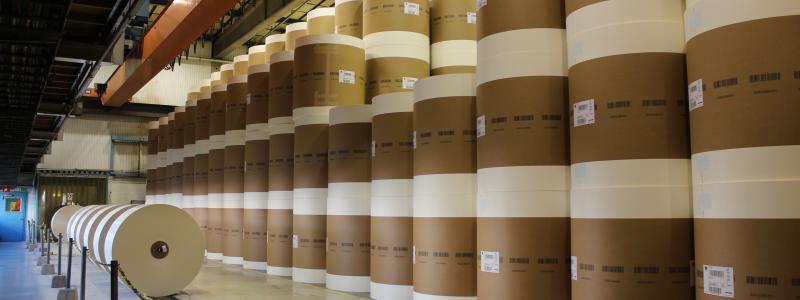
Half-life values used in LULUCF accounting for harvested wood products (currently sawnwood, panels and paper) should be updated, and additional product categories included. This would enable a more accurate and transparent assessment of the real climate mitigation impact of forest-based products. Current default values, based on the 2006 IPCC guidelines, do not reflect improvements in recycling rates or product innovation. Fibre-based products now remain in use longer via increased recycling cycles, and new products—such as wood-based textiles, chemicals, by-products and residues—are increasingly available. Updated or new half-life values could be modelled after the new ISO 13391 Greenhouse Gas Dynamics standard.
• Include substitution benefit as a formal reporting category for Member States.
The current LULUCF Regulation does not recognise the substitution effect of wood-based products, which is however as relevant as the forest sink[iv]. Substitution benefit apply to a wide range of forest-based products, not only long-lived ones: for instance, fibre-based products may display a substitution factor ranging from 1-1.5 kg C/kg C (packaging and chemicals) to 2.8 kg C/kg C (wood-based textiles)[v]. Member States should measure and report these substitution effects to make the contribution of the forest-based bioeconomy visible, incentivise the shift away from fossil-based materials, and strengthen Europe’s competitiveness and resilience. The ISO standard 13391 Greenhouse Gas Dynamics standard offers a good methodology to calculate the climate benefit of wood products, including substation.