


During the autumn, SCA’s forestry operations were audited in accordance with the FSC Forest Management Standard, with a successful outcome.
“The audit confirms that we comply with FSC’s guidelines for responsible forestry,” says Ola Kårén, Head of Silviculture at SCA.
Since 1999, SCA’s forestry operations have been certified according to the Forest Stewardship Council (FSC®), an international forest certification system. FSC is a global organization that develops standards to ensure environmentally, socially, and economically sustainable forest management. FSC’s membership includes, among others, environmental organizations such as WWF and BirdLife, trade unions including Swedish Paper Workers’ Union and the Swedish Forestry, Wood and Graphic Workers’ Union, forest owners, and the Swedish Sámi Association (Svenska Samernas Riksförbund).
At least once a year, SCA is audited by an independent, accredited auditor who verifies that the company complies with the FSC Forest Management Standard. This autumn’s audit confirms that SCA meets the FSC requirements.
“The audit lasted for two weeks and included field inspections, interviews, and reviews of governing documents. The outcome was very positive. The auditors were satisfied and stated that they gained a good overall impression of how we work. So far, we have received a preliminary result from the auditor, but there are usually no major changes in the final report,” says Ola Kårén.
A few minor non-conformities and observations were noted, which is natural given the scope of SCA’s operations.
“The audit is an important part of our continuous efforts to improve and develop our operations,” Ola Kårén continues.
“The fact that we are certified and successfully pass the audits is an important way for us to demonstrate to customers, investors, environmental organizations, and other stakeholders that we conduct responsible forestry.”
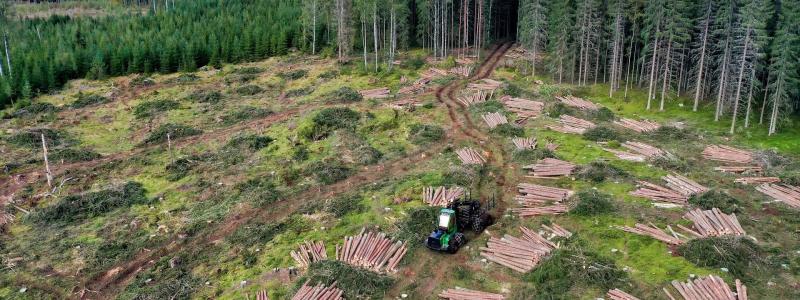
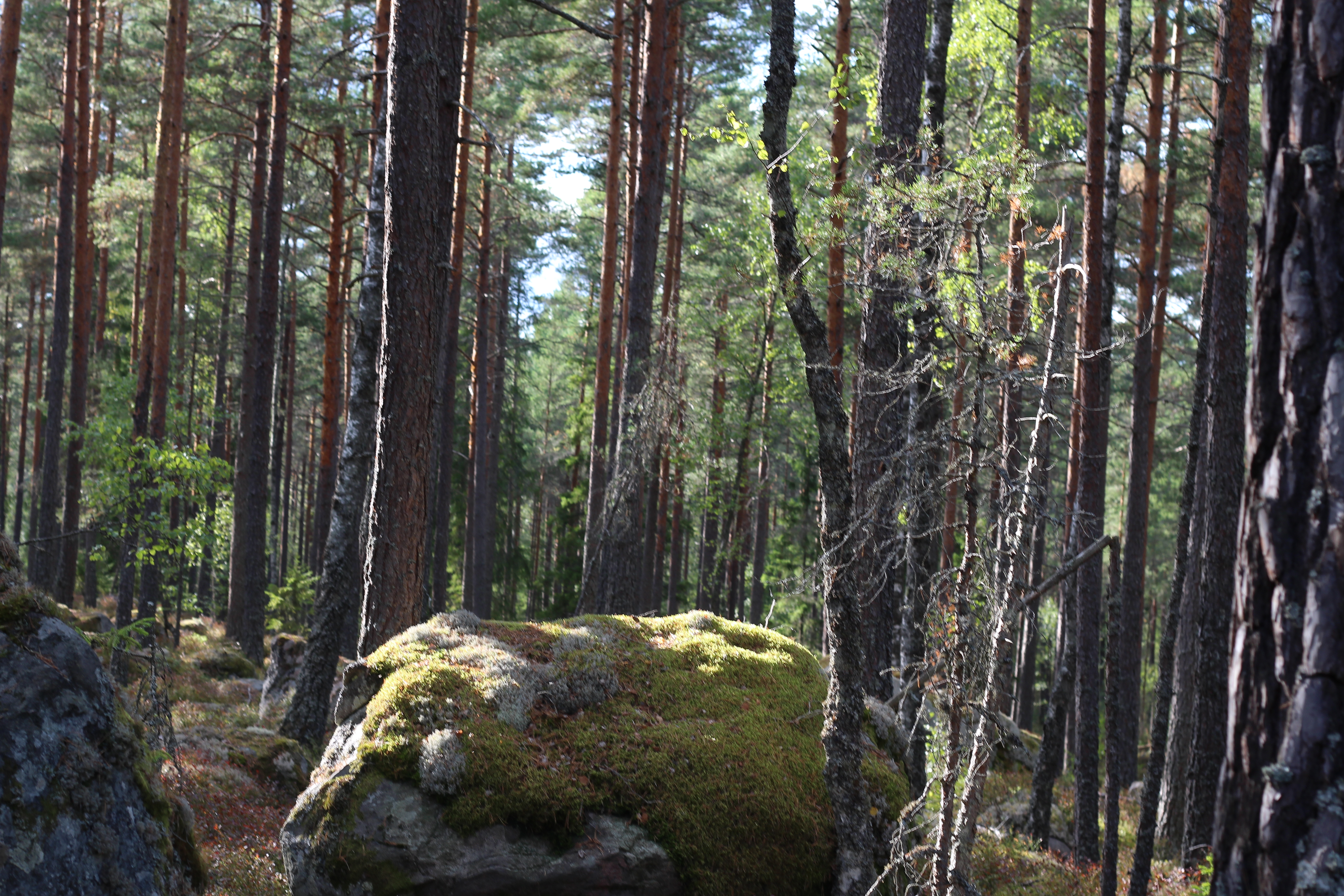
The Swedish FSC standard includes, among other things, detailed requirements on how many trees must be retained after harvesting, how broadleaved trees are to be safeguarded, and how non-native tree species such as lodgepole pine (contorta) may be used. It also requires that five percent of productive forest land be set aside for nature conservation purposes. A further five percent of productive forest land must either be set aside or managed in a way that preserves or enhances natural values or social interests.
In several respects, SCA’s nature conservation commitments go beyond the requirements of the forestry certification standards. For example, we allocate a larger share of voluntary conservation set-asides than required under the FSC rules.