


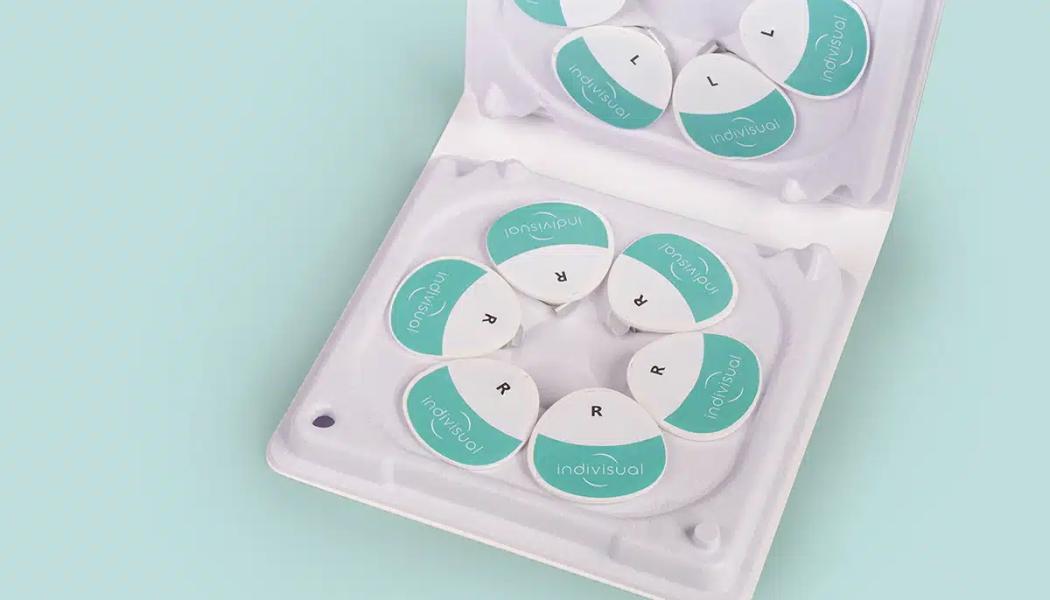
The Dutch company PaperFoam has developed a new type of medical packaging designed to reduce plastic use in the healthcare sector. The solution, created in collaboration with Medicon and Indivisual, is aimed at packaging systems for contact lenses.
Packaging in medical technology plays a crucial role in hygiene, safe handling and product reliability. At the same time, plastic has long been the standard material, largely due to its stability and low cost. This position is now increasingly being questioned as both cost and resource concerns grow.
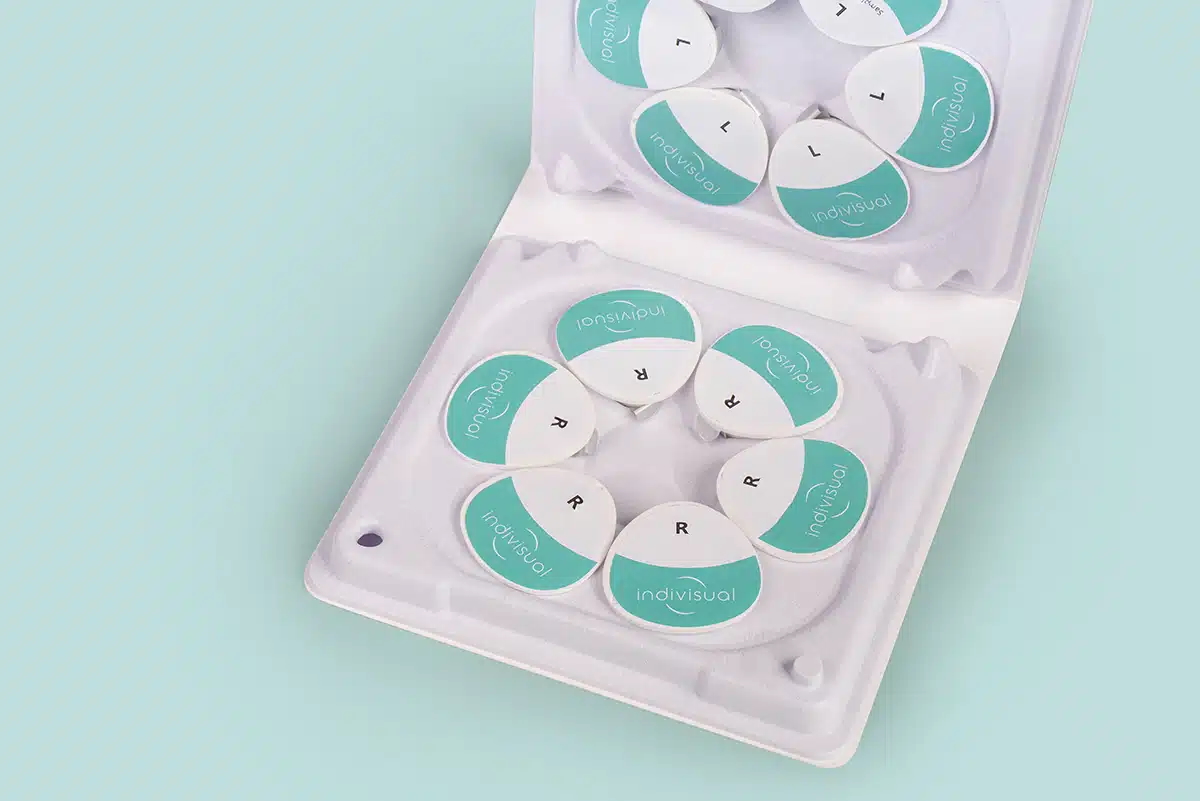
The new solution is based on a moulded tray made from bio-based materials. Its structure is designed to keep each individual lens securely in place while also providing cushioning during transport.
Replacing plastic without compromise
According to the company, the main challenge was to replace conventional plastic trays without compromising medical requirements. The packaging must withstand transport, storage and use in clinical environments where speed and reliability are essential.
– The goal was to develop a material that fits into existing recycling and composting systems, rather than introducing additional complexity, the company states in its project description.
Avoiding new complications in waste management has been a key consideration, particularly given that previous material transitions in the packaging industry have often faced criticism on this point.
Focus on functionality in clinical settings
The packaging features a hinged design, making it easy to open while ensuring a clear organisation of the contents. This is particularly important in healthcare environments where efficient handling is a priority.
The inner structure is optimised for protection and stability, while an outer printed sleeve is used for branding purposes.
– By separating design and function, the packaging can be more easily adapted and scaled, according to PaperFoam.
Compared with plastic alternatives, the solution is described as lighter and easier to stack, which may influence logistics and storage efficiency.
Limited but measurable impact
PaperFoam states that the shift to bio-based material has reduced the use of fossil-based plastics. The lower weight may also contribute to more efficient transportation.
However, several uncertainties remain. Costs, long-term durability and the actual environmental impact at scale have yet to be fully assessed. Experience from similar material transitions suggests that new packaging solutions often encounter practical challenges when introduced across healthcare systems.
According to the company, the material can be recycled with paper or composted, depending on local systems. This assumes that waste management infrastructure is functioning effectively in practice, which is not always the case.
PaperFoam views the project as an example of how bio-based materials can be applied in medical technology. At the same time, the development remains at an early stage, and it is still unclear how widely the solution will be adopted.
Source: PaperFoam
Fact check
Medical packaging must meet strict requirements for hygiene, traceability and material performance. Plastic currently dominates the market due to its stability and low cost.