



The European Union’s ambition to sharply reduce the use of hazardous chemicals is losing momentum. Several planned restrictions have been delayed or frozen as industrial competitiveness gains increasing political weight in Brussels.
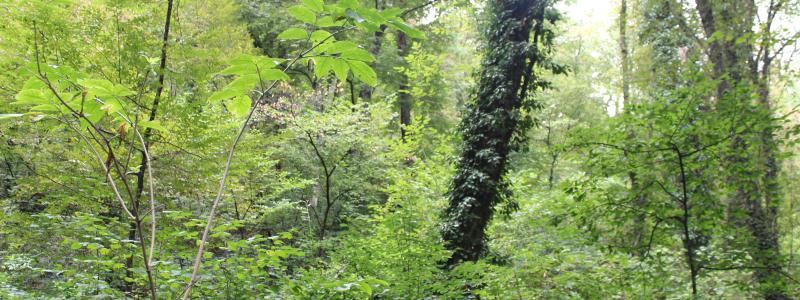
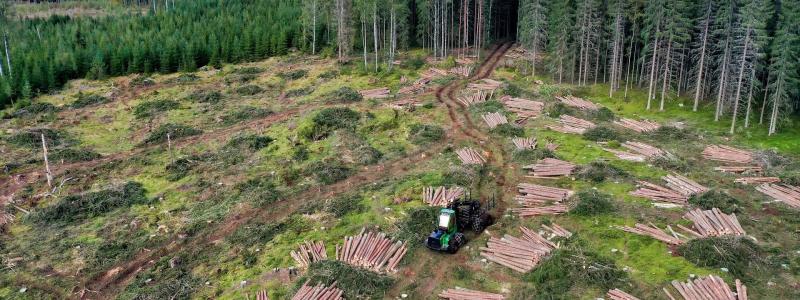
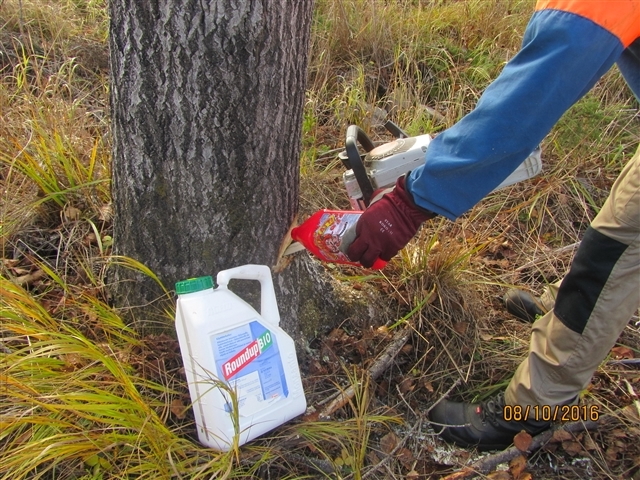
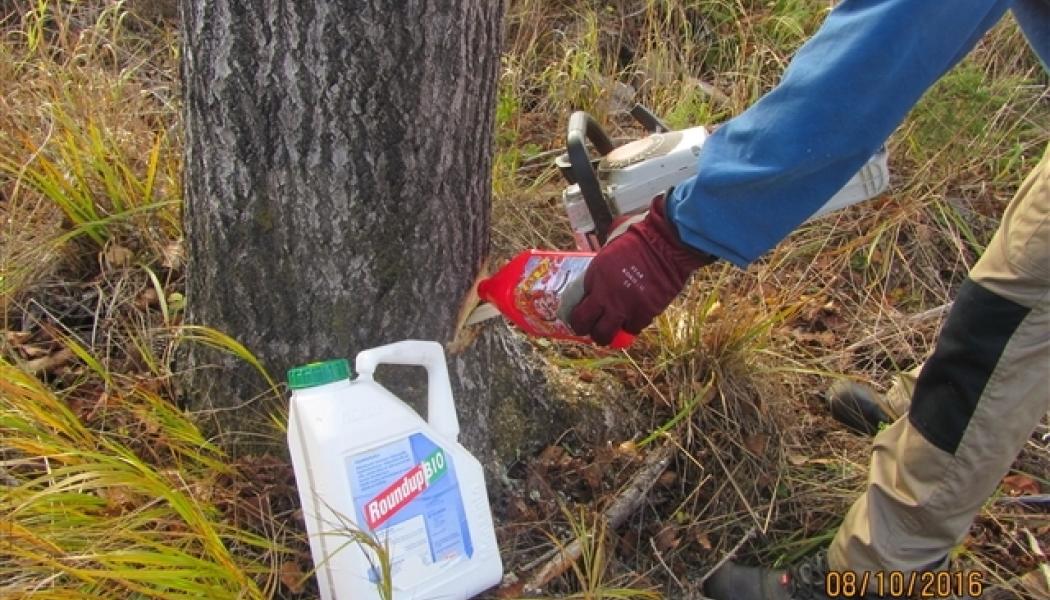
The shift is also affecting forestry and forest management, where chemical pesticides are still widely used to protect seedlings, control competing vegetation and reduce damage from insects and fungal diseases.
Environmental organisations now warn that the European Commission’s efforts to restrict several groups of hazardous substances have slowed significantly in recent years.
Forestry still depends on pesticides
Across Europe’s forestry sector, chemical plant protection products remain an important part of forest management practices.
These include:
- herbicides used against competing vegetation
- insecticides targeting pest outbreaks
- Fungicides for seedling protection
- chemical wood preservatives
Many of these substances are regulated under the EU’s extensive REACH chemicals legislation and pesticide rules governing plant protection products.
At the same time, large parts of the EU’s ambitious chemical strategy — launched in 2022 as one of the world’s most far-reaching plans to reduce hazardous substances — have faced major delays.
Competitiveness takes priority
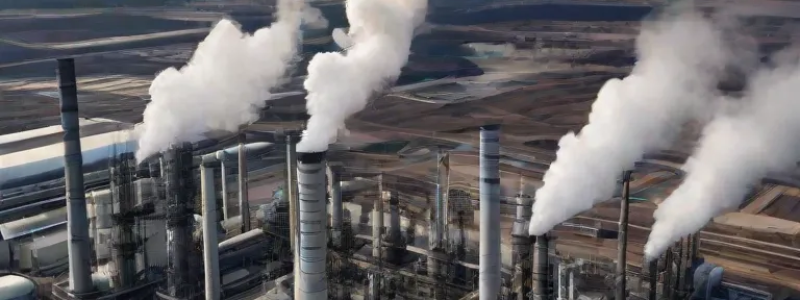
The slowdown comes amid growing pressure from Europe’s chemical industry, which is already struggling with high energy prices, weak demand and increasing international competition.
Several industry groups have warned that faster bans and stricter regulations could further weaken Europe’s industrial competitiveness at a time when many manufacturers are already under financial pressure.
According to reports from environmental organisations and European media outlets, this has contributed to the European Commission postponing or slowing multiple planned restrictions on hazardous chemicals.
The European Environmental Bureau estimates that the delays have already resulted in significant additional emissions of harmful substances into the environment.
Tension between the green transition and the raw material supply
The issue is particularly sensitive for the forestry sector because the EU simultaneously wants to strengthen the bioeconomy and reduce dependence on fossil-based raw materials.
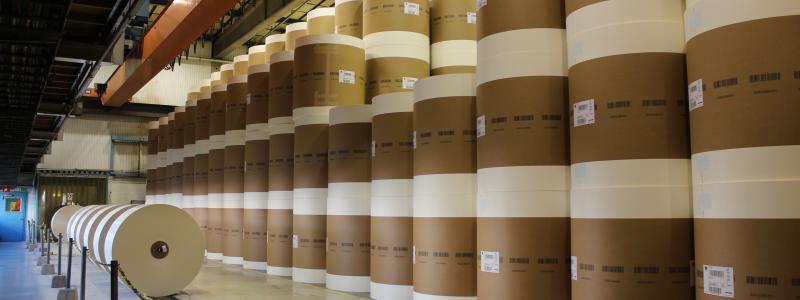
Europe’s forest industry is frequently promoted as a key pillar of the green transition through the production of biomaterials, timber construction, biofuels and fibre-based packaging.
However, increasing production also creates greater demand for efficient forest management and protection against biological damage, meaning some chemical products are still viewed as essential by parts of the industry.
Critics argue that continued use of high-risk substances threatens biodiversity, water systems and human health.
PFAS and other chemicals caught in political deadlock
Among the most controversial issues are the EU’s planned restrictions on PFAS chemicals — often referred to as “forever chemicals” — along with various pesticides and heavy metals.
Several of these regulatory processes have been significantly delayed despite scientific opinions already being delivered by the European Chemicals Agency (ECHA).
Environmental organisations increasingly argue that the debate is no longer mainly technical, but political, with industrial competitiveness now carrying greater weight than before.
PS Analysis
The EU is facing a growing conflict between industrial policy and environmental policy. While Brussels continues pushing the green transition, policymakers are also trying to avoid placing additional pressure on Europe’s already weakened chemicals and raw materials industries.
For forestry, this means the transition away from chemical pesticides is progressing far more slowly than many environmental groups had hoped.
At the same time, pressure on the forest sector continues to increase as Europe demands more biomass, more climate benefits and higher production volumes — developments that could make a rapid reduction in chemical use even more difficult in the years ahead.
Sources:
European Environmental Bureau, ClientEarth, European Commission, Chemistry World, Le Monde.
Fact check
EU chemicals legislation is primarily based on the REACH regulation and the bloc’s rules governing plant protection products. The European Chemicals Agency (ECHA) conducts scientific risk assessments, while the European Commission makes the final political decisions regarding restrictions and bans.