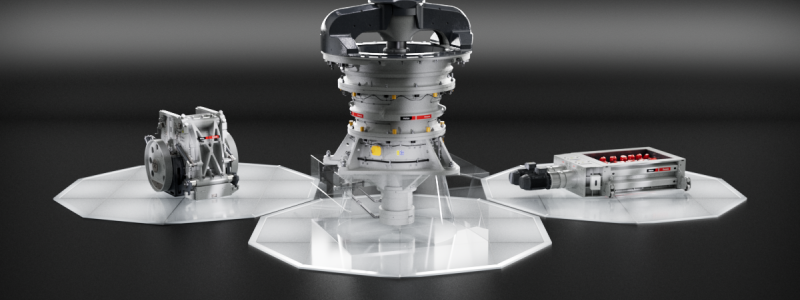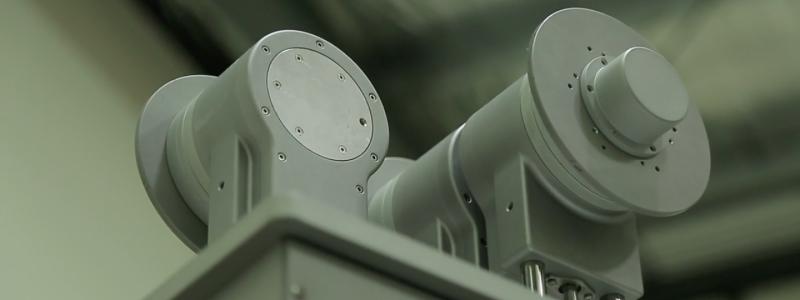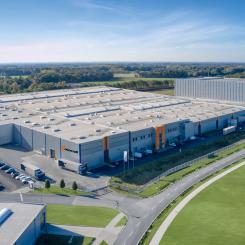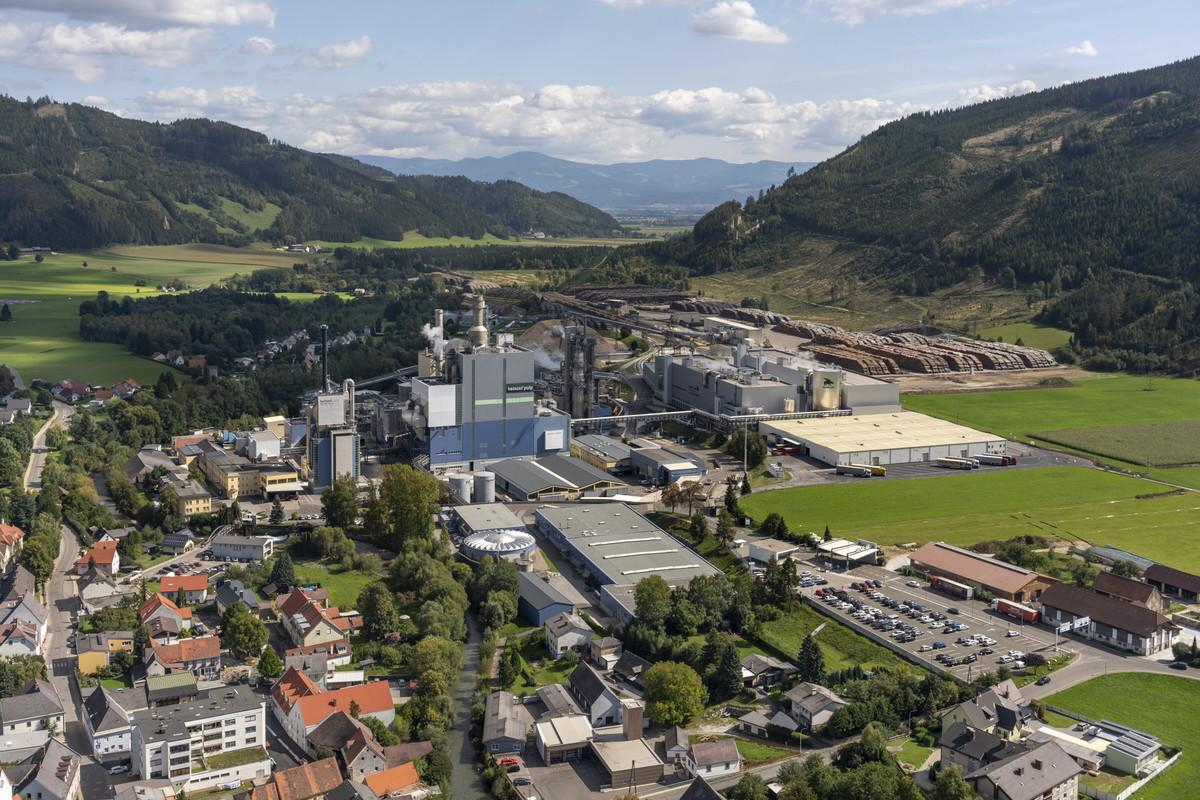




Valmet will deliver a new stationary lime cooler to the pulp mill operated by Heinzel Pöls in Pöls, Austria. The investment is intended to improve the energy efficiency of the mill’s lime kiln, reduce maintenance requirements, and enable higher production capacity.
The new solution will replace the existing rotary lime cooler, which, according to the companies, has caused operational disruptions and unplanned shutdowns. The stationary cooler is expected to provide more efficient heat recovery and more stable operations.
According to Siegfried Gruber, the main objectives of the investment are to reduce fuel consumption, improve operational availability, and create the possibility to increase the capacity of the existing lime kiln.
“We continuously invest in keeping the mill competitive and well-performing. Our key targets with this investment are energy savings, improved availability, and increased capacity,” he said.
Lower energy consumption and fewer shutdowns
According to Valmet, the stationary lime cooler provides significantly more efficient heat recovery compared with older rotary systems. The recovered heat is used to preheat incoming air for the lime kiln burner, reducing fuel demand.
The company also says the new design lowers the risk of plugging and thereby reduces the likelihood of unplanned production stops.
Claus Jensen-Holm said the project was developed in close cooperation with Heinzel Pöls’ technical team to identify the most effective solution for the mill.
Start-up planned for 2027
The order was included in Valmet’s orders received during the first quarter of 2026. The value of the order has not been disclosed.
The delivery includes engineering, dismantling of the old cooler, installation of the new equipment, commissioning, and training.
The new lime cooler is expected to enter operation during the fourth quarter of 2027.
Source: Valmet
Fact check
Lime kilns are used in the pulp industry to recover chemicals used in pulp production. Energy efficiency in the lime kiln process is important because these systems are highly energy-intensive and account for a significant share of fuel consumption at pulp mills.