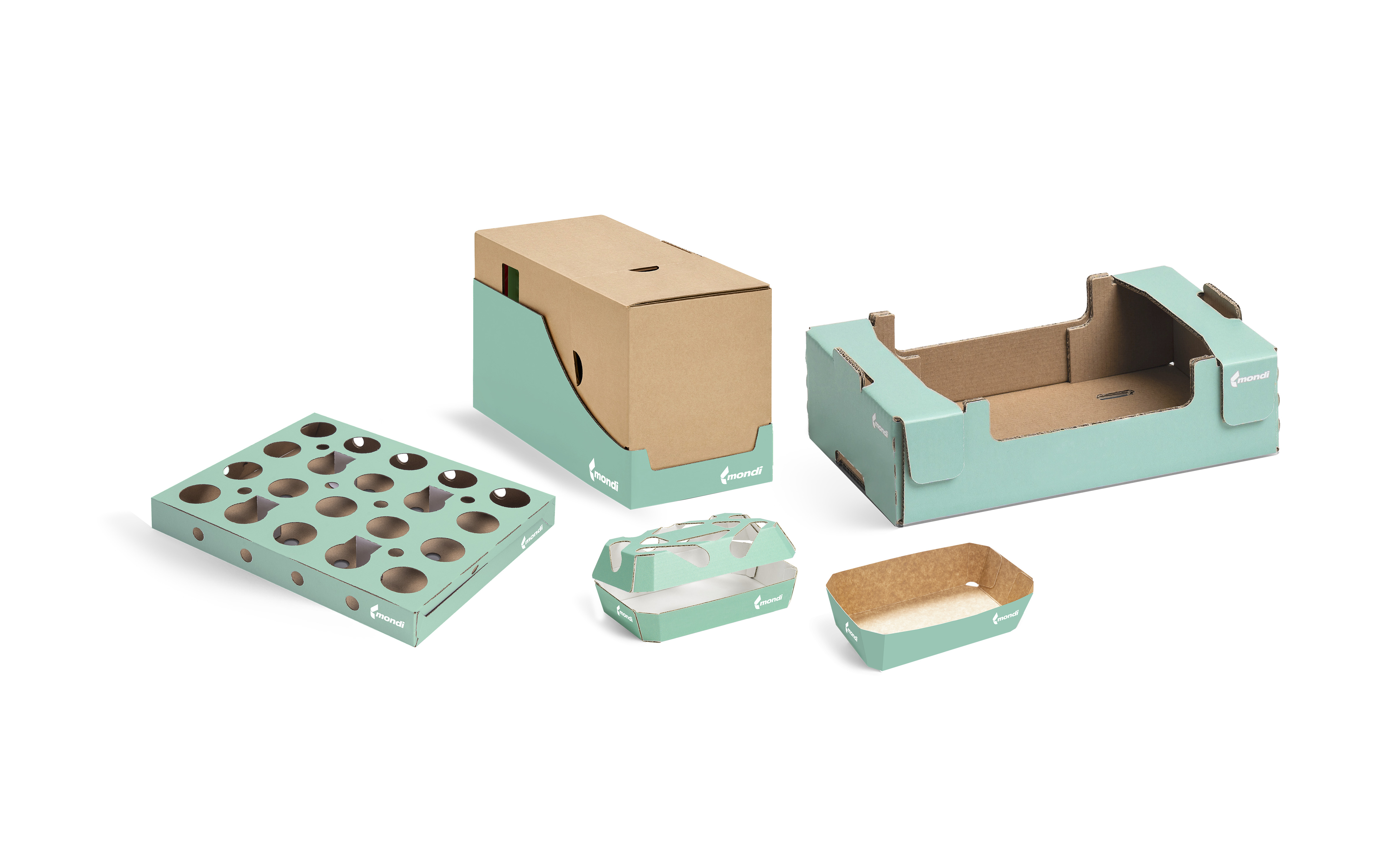




Mondi, a global leader in sustainable packaging and paper, has released a new white paper exploring how fit-for-purpose packaging can help food producers and retailers protect product quality and reduce waste across increasingly demanding supply chains. The paper - ‘Turning Packaging into a Competitive Advantage in the Food Supply Chain’ - shows that handling pressures and packaging performance challenges in today’s complex supply chains can lead to product loss, disruption and brand damage.
Food producers and retailers operate in increasingly demanding supply chain conditions, where maintaining product quality, navigating margin pressures and meeting consumer expectations require constant focus and resilience.
Research shows that 70%[2] of consumers will not purchase visibly damaged products – a challenge that places even greater pressure on producers and retailers to maintain perfect on-shelf presentation.
The white paper supports food producers, retailers and logistics partners by providing insights that help strengthen the business case for viewing corrugated packaging as a strategic tool for waste reduction and supply chain resilience.
With one third of global food production wasted annually[3], even small improvements can help food businesses navigate tight margins, rising expectations and ongoing operational pressures. The white paper outlines how well-designed corrugated solutions improve stability, withstand stacking pressure, accelerate packing processes and maintain product integrity during long and complex distribution routes.
Paulus Goëss, COO Corrugated Solutions at Mondi, says: “Packaging plays a vital role in preventing food waste. When designed strategically, it helps protect product value, support reliable operations and reduce the hidden costs that often accumulate under challenging supply chain conditions.”
The findings offer practical guidance that supports food businesses in strengthening supply chain resilience, managing category-specific challenges and reducing waste-related losses. The approaches outlined in the white paper can be applied across categories – from fresh produce, snacks and confectionery to chilled goods – helping companies deliver consistent product quality at scale.