


Sappi Europe is expanding the use of artificial intelligence across its paper mills in a move aimed at improving operational efficiency, reducing energy costs and tightening control over industrial processes. The initiative reflects a broader shift in heavy industry, where AI is increasingly embedded in day-to-day operations rather than treated as a standalone innovation project.
The company is working in partnership with Orange Business to deploy an MLOps framework – a structured approach to managing and scaling machine learning across production, planning and environmental performance.
The rollout comes amid growing recognition that many AI projects fail not because of weak models, but due to difficulties integrating them into routine workflows. According to industry assessments cited by McKinsey, operational adoption remains a key bottleneck.
– Many AI initiatives fail not because of the models themselves, but because they are not effectively integrated into business operations, according to industry analysis.
Focus on energy and operational control
Sappi has prioritised energy management, an area traditionally constrained by fragmented data systems and manual processes. These limitations have made it difficult to optimise consumption, reduce waste or maintain real-time visibility across sites.
With the new AI platform, the company gains access to standardised and automated analytics across multiple facilities. This enables more precise control of energy flows, improved resource efficiency and more consistent operational insights.
A key example is the Maastricht mill in the Netherlands, which both consumes electricity from and supplies electricity to the national grid. Here, AI is used to optimise energy management in real time.
– The platform automates data processes and improves the accuracy of decisions affecting both production and energy use, according to the project description.
Efficiency gains and new dependencies
The introduction of MLOps means that machine learning models are not only developed but also continuously updated and deployed in live operations. The system adapts automatically to changing data conditions, influencing decisions in real time.
While this increases flexibility and responsiveness, it also creates new dependencies on data quality and digital infrastructure. Errors or inconsistencies in data inputs can quickly propagate through production systems.
For customers, the changes may bring tangible benefits. Improved forecasting and supply chain analytics can provide clearer delivery timelines, while more efficient energy use can help stabilise cost structures over time.
At the same time, companies working with digitally advanced suppliers may strengthen their own positioning around innovation and operational resilience.
Scalable system across the business
A central objective of the initiative is scalability. The MLOps framework is designed to be deployed across multiple business functions, including production, sales forecasting and logistics.
By standardising data models and workflows, Sappi can accelerate the rollout of AI solutions across its sites. The system continuously monitors model performance and adjusts it as needed, ensuring consistent accuracy.
This reduces the time between analysis and implementation on the factory floor, allowing operational improvements to be realised more quickly.
The development highlights a broader industrial trend – AI is no longer a separate layer of experimentation, but an integrated component of everyday decision-making in complex manufacturing environments.
Source: Sappi Europe, Orange Business
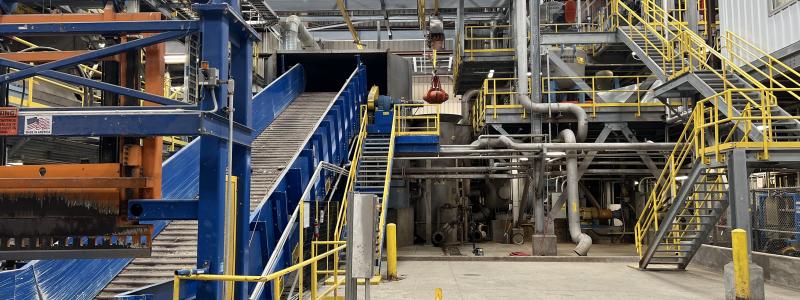
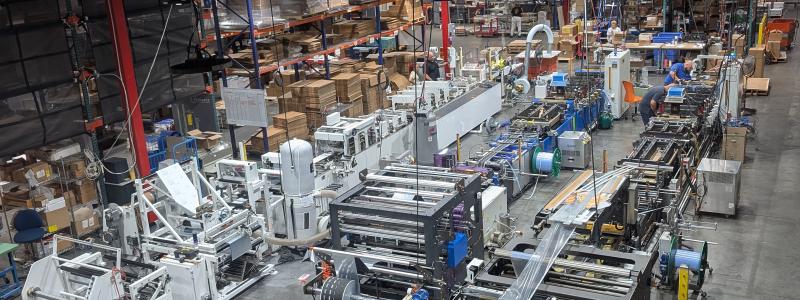
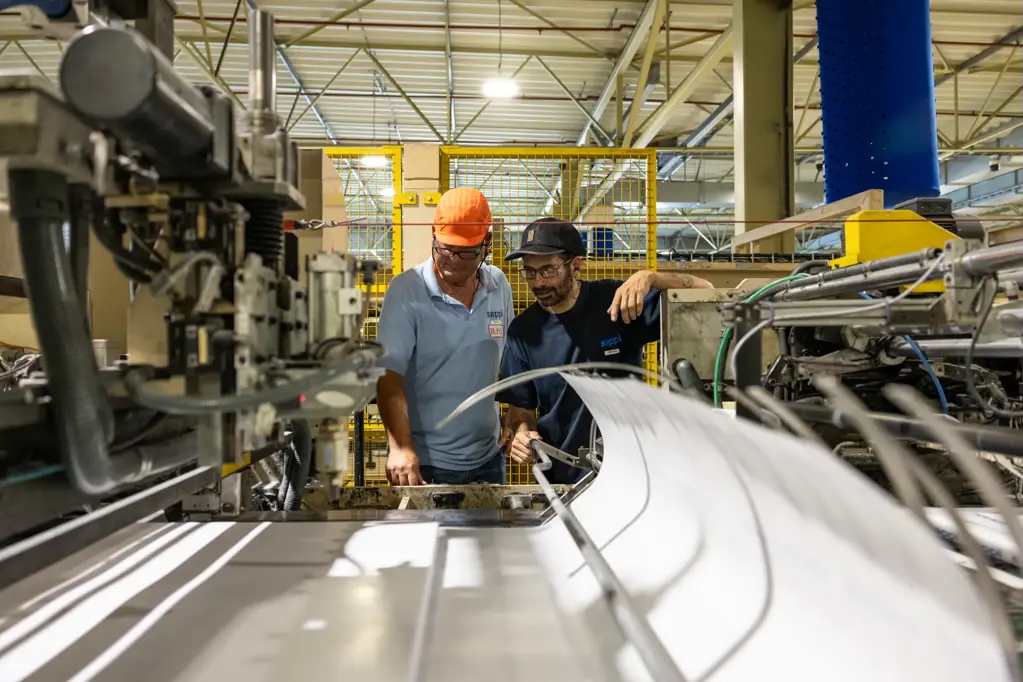
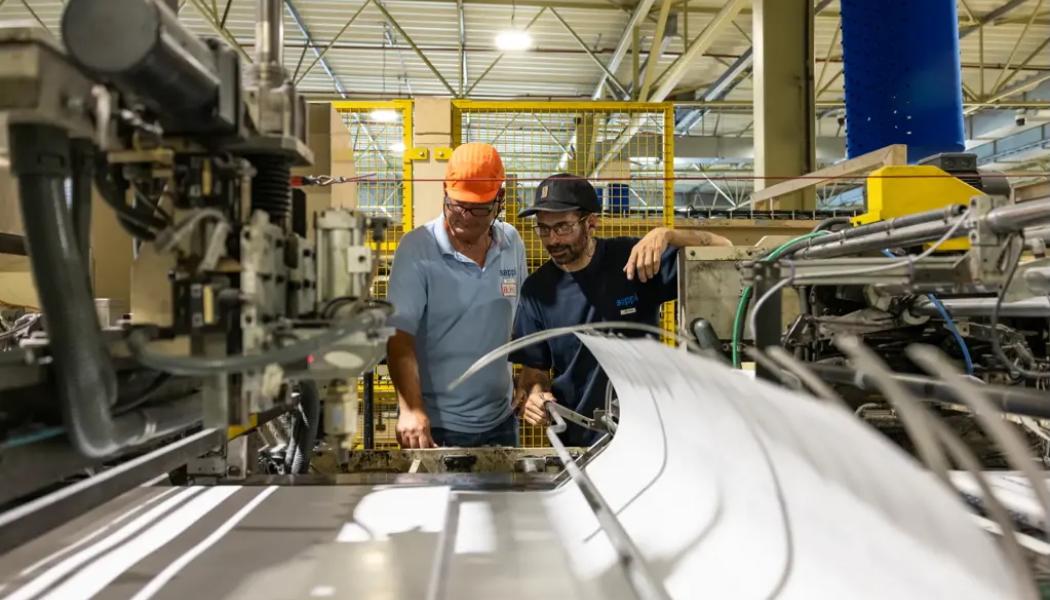
Image caption: AI-driven systems are increasingly used to manage industrial production and energy consumption at paper mills, including Sappi’s Maastricht facility.
Fact check
MLOps (Machine Learning Operations) is a framework for managing, deploying and maintaining AI models in organisations. It aims to make AI usage more reliable, scalable and integrated into daily operations.