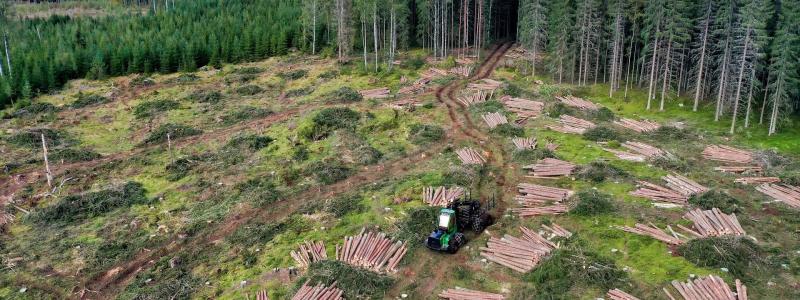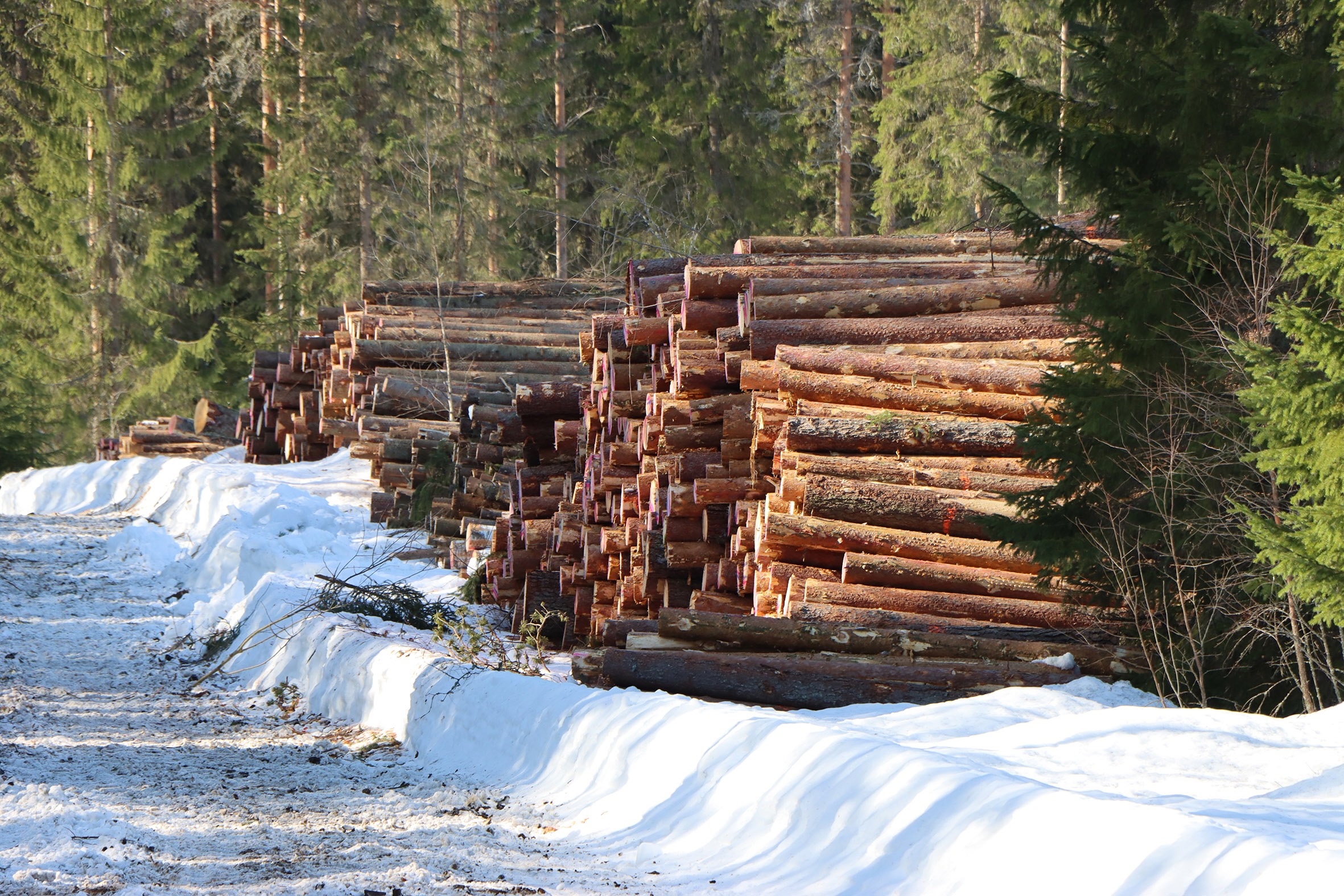



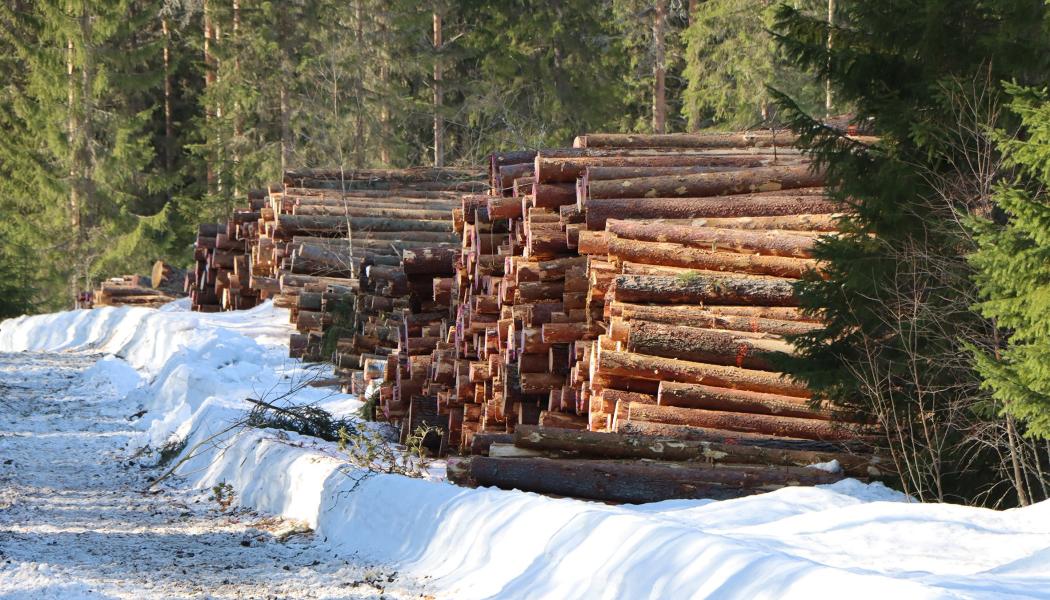
Finland’s sawmill industry is warning of serious economic fallout if proposed restrictions on logging are implemented. According to industry representatives, between 3,000 and 4,000 jobs could be lost, while export revenues and overall economic activity may decline significantly.
The debate follows calls from Finland’s climate and nature panels to reduce logging levels in order to meet climate and biodiversity targets. The proposal would cut annual harvest volumes by around 15 per cent by 2035.
Jobs and exports at risk
The industry group Sahateollisuus ry says the impact could be substantial. CEO Tino Aalto argues that limiting logging poses a direct threat to the sector.
– Restricting logging is a major threat to the industry, Aalto says in a statement cited by Yle.
He estimates that the total economic impact could reach around 3 billion euros, as both export revenues and income from timber sales decline.
Logging limits spark industry backlash
The consequences would extend beyond sawmills. Logistics, machinery manufacturing and the metal sector are also expected to be affected. In total, Finland’s sawmill industry employs around 30,000 people.
At the same time, the sector is already under pressure. Rising raw material costs and weak demand have weighed on profitability.
– The halt in Russian timber imports has pushed up prices, and broader economic uncertainty has reduced demand, Aalto adds.
Scientists call for lower harvest levels
Finland’s scientific advisory panels argue that current logging levels are unsustainable. According to their assessment, harvest volumes are too high for the country to meet its climate-neutrality target by 2035 while safeguarding biodiversity.
Janne Kotiaho, chair of the Finnish Nature Panel, says reductions are necessary.
– Without cuts, Finland will clearly miss its 2035 climate neutrality target, and current recommendations are not sufficient to secure biodiversity in managed forests, he says, according to Yle.
The panels suggest that reducing annual logging from around 73 million cubic metres to about 60 million cubic metres could strengthen both climate outcomes and ecological values. Lower harvesting would also allow more deadwood and older trees, which are important to forest ecosystems.
Kotiaho also rejects the argument that fewer harvests automatically lead to fewer jobs.
– Statistics from the Natural Resources Institute show that around 35,000 jobs have disappeared in the forest industry since the 2000s, despite increased logging, he says.
Investment uncertainty grows
Despite challenging market conditions, some companies continue to invest. In Kärkölä, wood processing company Koskisen Oyj has invested approximately 80 million euros over three years to expand and streamline production.
CEO Jukka Pahta sees efficiency as essential in a highly competitive market.
– Efficiency is critical in this tough competition, he says.
At the same time, he is critical of proposals to reduce logging.
– Access to raw materials at competitive prices is crucial for the entire industry, Pahta states.
Koskisen Oyj employs around 900 people in Finland, with more than 70 per cent of its revenue coming from exports.
– It ultimately comes down to where products can be manufactured profitably and competitively for global markets, Pahta says.
Finland’s main competitors include Sweden and Russia.
The Finnish government is currently reviewing its Climate Act, a process that could directly influence how the issue develops. Industry representatives have also suggested postponing the 2035 climate target.
The conflict between climate policy and industrial competitiveness is therefore set to continue, with significant consequences regardless of the outcome.
Source: Yle
Fact check:
Finland aims to achieve climate neutrality by 2035. At the same time, the forest industry remains one of the country’s most important export sectors, employing tens of thousands of people.