
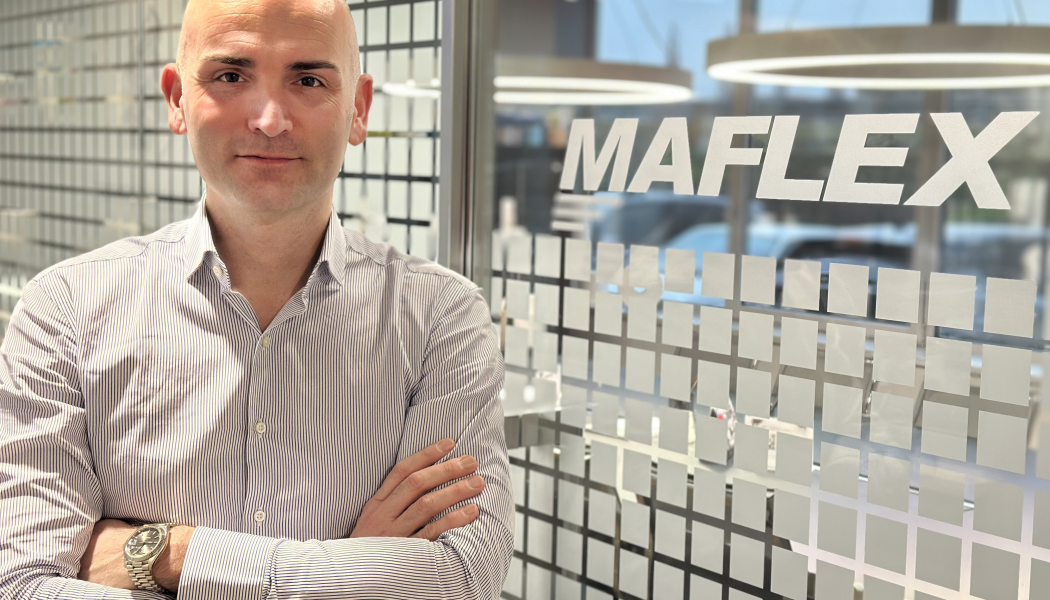
Q. How is Maflex positioned today in the tissue converting machinery market, in Italy and internationally?
A. Luca Mazzotti
Maflex is positioned as a specialized supplier of tissue converting solutions, with a clear focus on reliability, modularity, flexibility and production continuity. Engineering and design originate in Italy, within the Tissue Valley, where long-standing industry expertise is translated into practical technical solutions tailored to the needs of the converting industry.
The reference market is strongly international: a significant share of installations is outside Italy, with operating lines in Europe, North America and the Oceania area, as well as growing interest from the Middle East, Asia and Latin America.
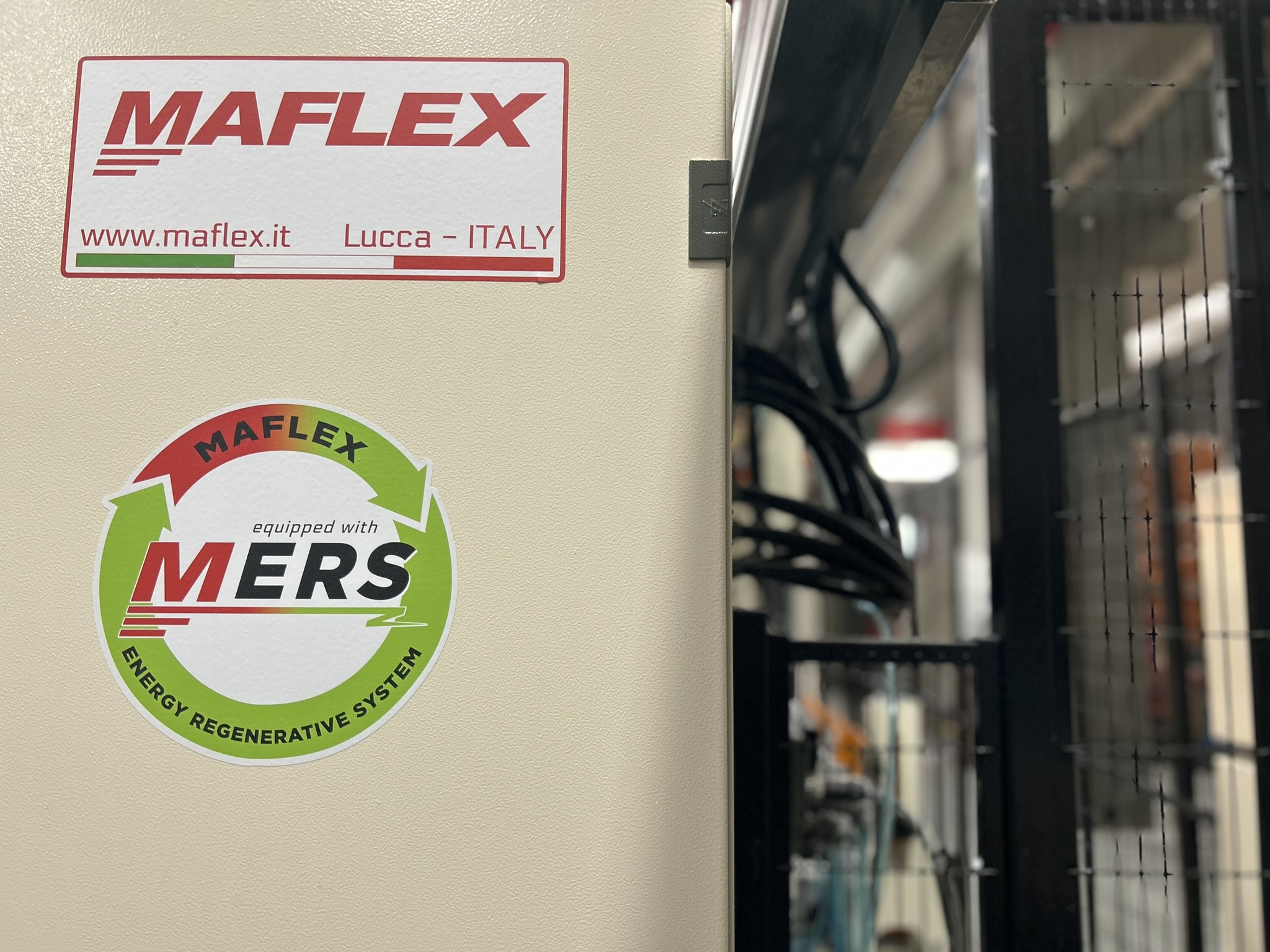
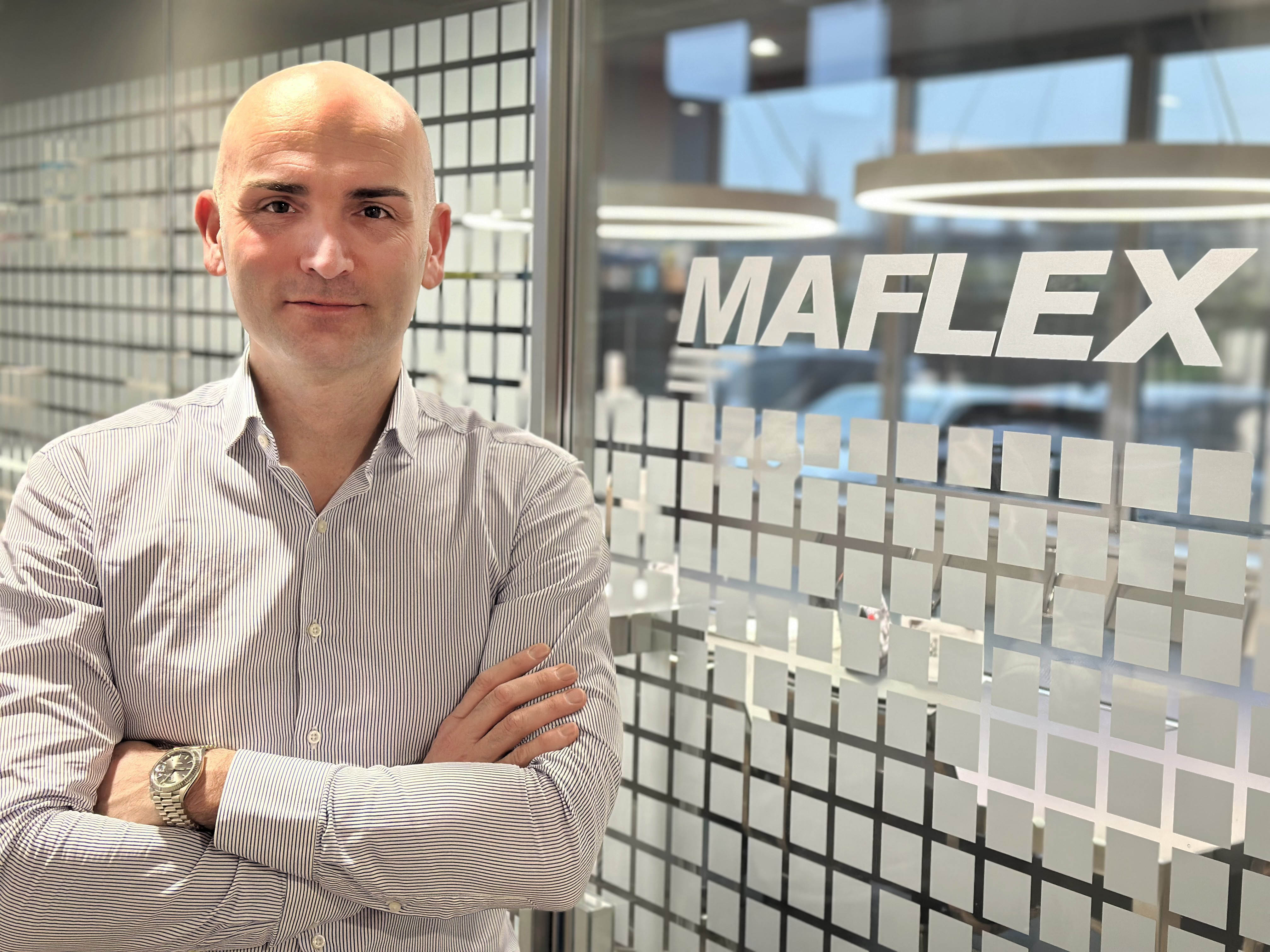
Photo: Maflex
The offering is not based on standardized solutions, but on plants designed around the actual production requirements of the converter, for both consumer and professional products, on start & stop as well as continuous lines. This approach makes it possible to address very different production contexts while maintaining design coherence, operational simplicity and long-term reliability.
Q. In which geographic markets do you currently see the greatest growth opportunities?
A. L.M.
The main growth opportunities are concentrated in markets where the tissue sector is undergoing a phase of industrial rationalization, with producers focused on improving operational efficiency, process stability and production flexibility, and where there are still tangible margins for optimization.
Europe and North America, together with certain areas of Latin America, remain mature yet dynamic markets, characterized by targeted investments aimed at technological upgrades and optimization of existing lines.
At the same time, the Middle East, Asia and some areas of Eastern Europe are showing increasing interest in reliable, modular and easily scalable lines, capable of evolving over time without requiring continuous structural reinvestment.
Q. How have tissue converters’ requirements changed in recent years?
A. L.M.
In recent years, a very clear shift in perspective has emerged.
Converters’ attention has progressively moved away from nominal speed alone toward more concrete and measurable factors, such as real production continuity, reduction of unplanned downtime, ease of operation and maintenance, and flexibility in product changeovers.
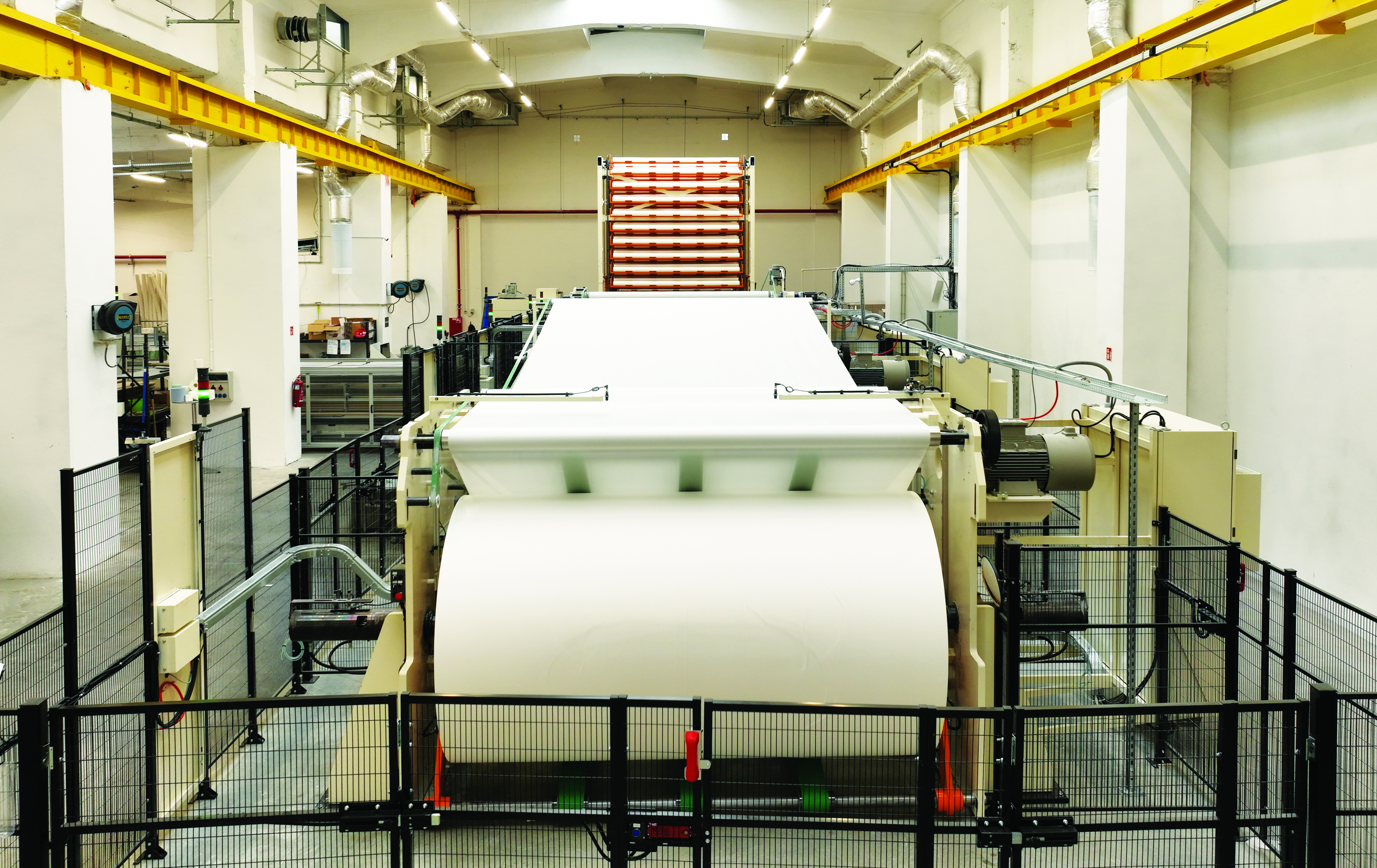
Photo: Maflex
In this context, interest in continuous lines is growing, including for coreless roll production, where process stability and control become decisive in maintaining consistent quality and a high OEE, meaning the actual overall effectiveness of the line over time.
Q. Which trends do you consider most relevant in tissue converting today?
A. L.M.
The most relevant trends in tissue converting should not be viewed individually, but as part of an integrated system. The key levers to monitor include first and foremost modularity, which allows lines to be adapted and upgraded over time, protecting the investment and supporting production evolution.
Another crucial element is targeted automation, effective when it genuinely simplifies the operator’s work and has a tangible impact on line performance, without introducing unnecessary complexity. This is complemented by production flexibility, increasingly required to manage different formats, diameters and basis weights on a single line.
Finally, energy optimization is taking on an increasingly central role in tissue converting as well, as an integral part of line design.
Rather than pursuing maximum technological complexity, today’s market demands intelligent, robust solutions designed to evolve sustainably over the long term.
Q. How do your solutions help improve OEE and production continuity?
A. L.M.
OEE improves when the process is stable and controlled, not necessarily when it is pushed to maximum speed. Maflex solutions work in this direction on multiple levels.
At the foundation is a solid and coherent mechanical design, combined with smooth integration between the different line stations. This is complemented by accurate control of process parameters and reduction of setup and product changeover times, factors that directly affect equipment availability and performance.
The result is a more predictable production process, with fewer micro-stoppages and greater quality consistency—elements that are especially critical on high-productivity continuous lines, where operational continuity is an essential requirement.
Q. How important is modularity in Maflex solutions for tissue converting?
A. L.M.
Modularity is a structural element, not an optional feature.
It allows a line to be designed around current production requirements, while keeping open the possibility to integrate new stations, implement technological upgrades, and adapt the plant to new products or configurations over time.
This approach protects the converter’s investment and makes the line evolutionary, capable of growing and transforming without becoming rigid or obsolete, while maintaining operational continuity and design consistency.
Q. How do your solutions contribute to reducing waste, downtime and energy consumption?
A. L.M.
The reduction of waste and downtime is closely linked to process stability and control of operating conditions across the entire line. A regular and well-balanced process helps limit quality deviations, reduce corrective interventions and ensure more continuous and predictable production.
Today, energy optimization must be an integral part of converting line design, not only as a goal in itself, but as a factor that directly impacts reliability and operational continuity. A concrete example is the implementation of MERS – the regenerative energy recovery system, initially developed and applied on start & stop lines and more recently analyzed and optimized for application, with significant benefits, also on continuous lines.
The use of MERS makes it possible to optimize energy management during dynamic phases, improve process stability and reduce mechanical stress and power peaks. The benefits are therefore not only energy-related, but also translate into greater equipment reliability and higher production continuity.
The same process-stability-oriented approach has also been applied to the cutting phase, with the evolution of the Ladon EVO log saw. The solutions introduced aim to improve accessibility, mechanical stability and cutting precision across a wide range of diameters, with more effective wear management. The objective is to ensure consistent finished product quality, reduce micro-stoppages and make the cutting phase fully aligned with the performance of high-productivity continuous lines.
Q. Which technical innovations will be decisive for tissue converting in the coming years? Mechanics or software?
A. L.M.
The evolution of tissue converting will be increasingly hybrid. Mechanics will remain fundamental: robustness, precision and build quality continue to be the foundation for reliable and durable lines.
At the same time, added value will increasingly come from more advanced control software, intelligent management of process data, and ever-closer integration between electronics and mechanics. This balance is where true innovation will take place.
The challenge is therefore not to choose between mechanics or automation, but to make them work together effectively, keeping technology at the service of production and day-to-day operations—not the other way around.