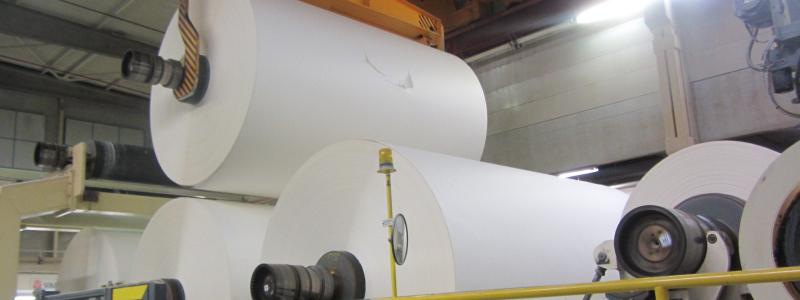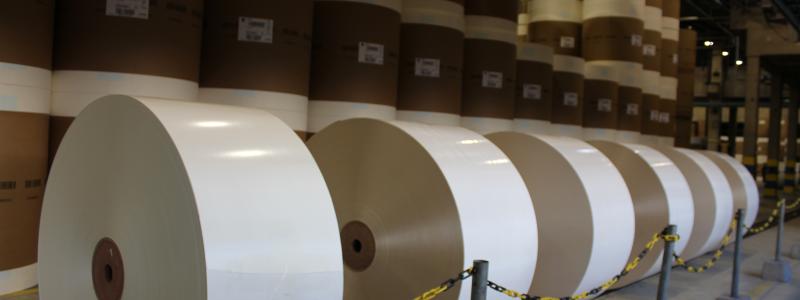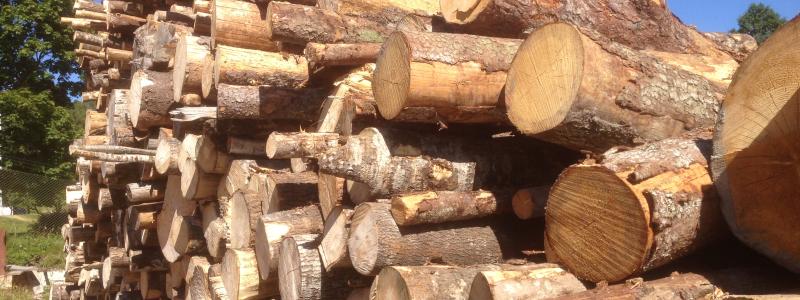



According to latest research by Growth Market Reports, the global sustainable paper pulp alternative market size reached USD 9.7 billion in 2024, reflecting a robust interest in eco-friendly solutions across industries. The market is expanding at a notable CAGR of 7.9% and is projected to attain a value of USD 20.1 billion by 2033. This growth is primarily driven by increasing environmental concerns, regulatory pressures, and a shift in consumer preference towards sustainable products. The sustainable paper pulp market is gaining strong momentum as industries shift toward environmentally responsible packaging and production materials. With rising awareness about deforestation, plastic pollution, and carbon emissions, companies are actively replacingtraditional wood-based pulp with eco-friendly alternatives such as agricultural residues, recycled fibers, and non-wood plant sources.
Market Drivers Fueling Growth
Rising Environmental Concerns
One of the primary drivers of this market is increasing environmental awareness. Governments, businesses, and consumers are becoming more conscious of the ecological damage caused by conventional paper production. This has led to a strong push for renewable and biodegradable pulp alternatives that reduce pressure on forests.
Expansion of Sustainable Packaging Industry
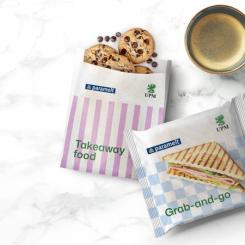
The rapid expansion of sustainable packaging, especially in e-commerce, food delivery, and retail sectors, is significantly boosting demand. Companies are replacing plastic-based packaging with molded fiber and recyclable paper-based materials, which heavily rely on sustainable pulp alternatives.
Regulatory Support and Green Policies
Strict environmental regulations and global sustainability commitments are encouraging manufacturers to adopt cleaner production methods. Policies promoting carbon neutrality, waste reduction, and circular economy practices are further accelerating market adoption.
Challenges in the Sustainable Paper Pulp Market
High Production Costs and Processing Complexity
One of the major challenges in the sustainable paper pulp market is the relatively high production cost compared to conventional wood-based pulp. Processing alternative raw materials such as agricultural residues, bamboo, and bagasse often requires specialized equipment and additional treatment stages. These factors increase operational complexity and limit large-scale adoption, especially among small and medium manufacturers.
Inconsistent Raw Material Supply
The availability of non-wood raw materials is often seasonal and geographically dependent. Agricultural residues, for example, are not uniformly available throughout the year, leading to supply chain instability. This inconsistency can disrupt production cycles and affect pricing stability in the market.
Limited Infrastructure in Developing Regions
Many developing economies lack the advanced infrastructure required for large-scale sustainable pulp processing. This includes recycling systems, collection networks, and modern manufacturing facilities. As a result, scaling production remains a challenge in these regions despite abundant raw material availability.
Opportunities in the Sustainable Paper Pulp Market
Rising Demand for Eco-Friendly Packaging
The rapid growth of e-commerce, food delivery services, and retail packaging is creating significant opportunities for sustainable pulp manufacturers. Businesses are actively replacing plastic-based packaging with biodegradable and recyclable alternatives, driving strong demand for eco-friendly pulp solutions.
Government Regulations and Green Incentives
Strict environmental regulations and global sustainability goals are pushing industries toward greener alternatives. Governments are offering subsidies, tax benefits, and policy support for companies investing in sustainable materials, creating a favorable growth environment for market players.
Technological Innovations in Pulping Processes
Advancements in enzyme-based pulping, chemical-free processing, and energy-efficient production methods are improving both quality and cost-effectiveness. These innovations are helping overcome traditional limitations and expanding the usability of sustainable pulp in high-performance applications.
Technological Advancements in Pulp Processing
Innovations in pulping technologies are improving the efficiency and quality of sustainable fiber extraction. Advanced mechanical and chemical-free pulping methods are reducing water consumption and energy usage. Additionally, enzyme-based processing techniques are gaining traction as they enhance fiber quality while minimizing environmental impact.
Automation and digital monitoring in pulp manufacturing plants are also helping companies optimize production and reduce operational waste.
Competitive Landscape
· Billerud AB
· UPM-Kymmene Corporation
· Stora Enso Oyj
· Mondi Group
· Nine Dragons Paper Holdings Limited
· Asia Pulp & Paper (APP) Sinar Mas
· WestRock Company
· International Paper Company
· Georgia-Pacific LLC
· Sappi Limited
Future Outlook
The sustainable paper pulp market is expected to experience consistent expansion as industries continue transitioning away from plastic and non-renewable materials. Increased R&D investment, coupled with government incentives and corporate sustainability goals, will further strengthen market growth.
Source: https://growthmarketreports.com/report/sustainable-paper-pulp-alternative-market