


Highly exposed to energy costs, today’s unpredictable global trade politics and the crisis in the Middle East are impacting the pulp and paper industry in many ways. These developments will certainly be reflected at Pulp & Beyond 2026, the leading forest-based bioeconomy event in Northern Europe, taking place on 15–16 April 2026 at the Helsinki Expo and Convention Centre in Helsinki, Finland.
By: Simon Matthis
However, the main theme of this year’s event—focusing on the role of artificial intelligence in process industries, innovation within the forest sector, and the future of the bioeconomy—was defined before the Middle East war broke out, along with the subsequent oil and gas crisis, turbulence in global stock markets, and the growing risk of an unprecedented global recession.
Crisis creating new opportunities
In light of the urgency of the current situation, it is nevertheless reasonable to expect that many discussions will focus on resilience and on how the industry can navigate the present crisis.
The pulp and paper industry has, in fact, weathered storms more damaging than this one—crises that have affected the very core of its business: the demand for its products, the lifeline of the industry. The current hydrocarbon supply crisis, which threatens to disrupt oil and gas deliveries to energy-intensive sectors such as pulp and paper, could have a significant negative impact on the economic viability of operations, particularly if the situation persists over a longer period.
At the same time, the global economy’s heavy dependence on hydrocarbons may also create new opportunities for pulp- and fiber-based solutions. Their advantage is not only environmental. Unlike many fossil-based alternatives, they are less vulnerable to supply chain disruptions that lie beyond the industry’s control. In this context, fossil-free alternatives may gain a new strategic argument: their potential contribution to strengthening the macroeconomic resilience of entire countries.
“Overcoming the Valley of Death”
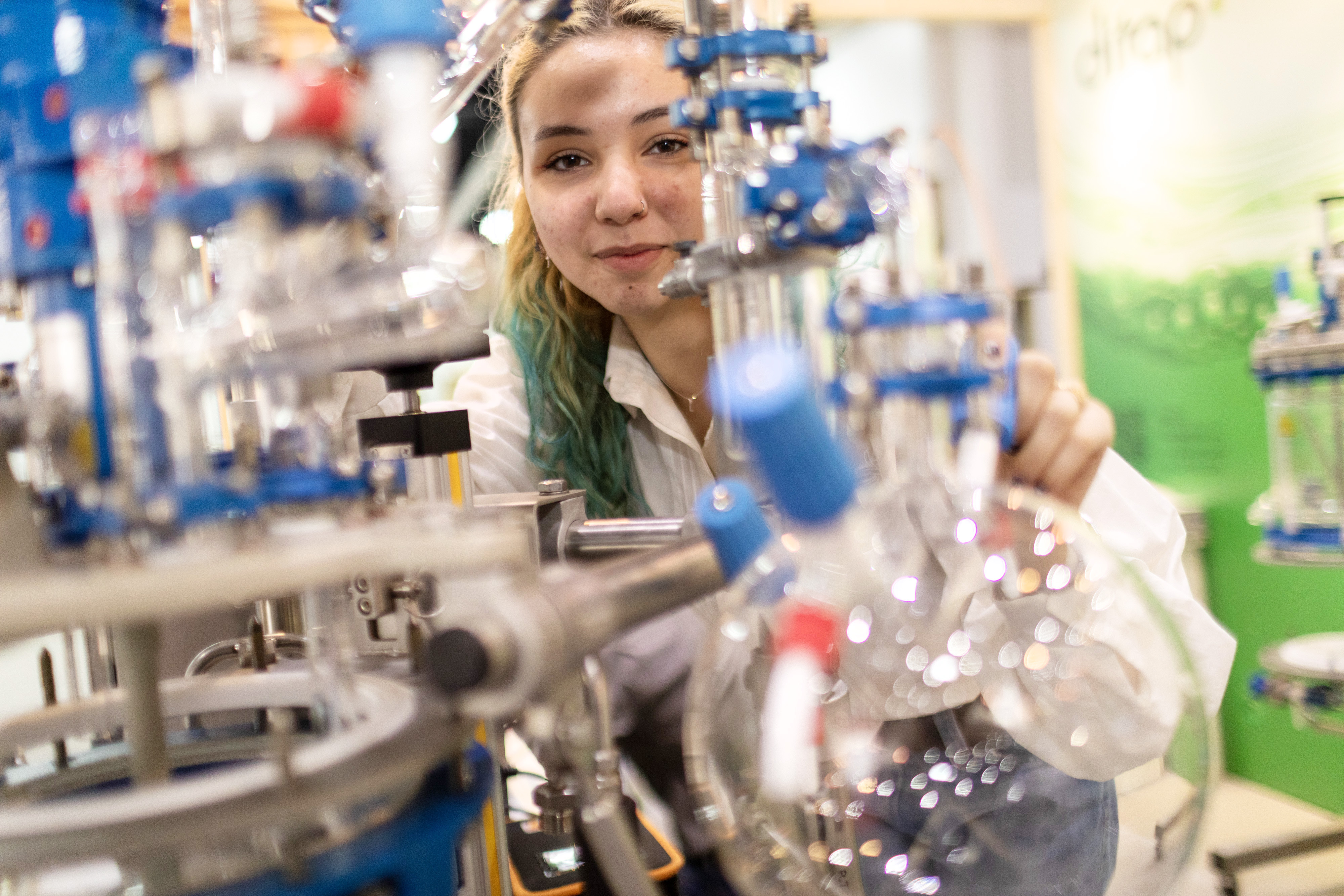
One of the key areas of interest at Pulp & Beyond 2026 is closely connected to this notion of resilience—namely the importance of addressing “the critical early-stage challenges faced by industry start-ups.”
A panel discussion titled “Overcoming the Valley of Death” will explore this issue in depth. One of the panel participants is Tage Johansson, CEO of a Finnish start-up focused on developing next-generation building and packaging materials from forest industry by-products and other natural fibres. Johansson is also expected to give a presentation during the event.
Other panel members include Jason Hallett, founder and director of Lixea and professor at Imperial College London, as well as Inka Mero, founder of Voima Ventures.
Rather than referring to the stage as the “valley of death,” Johansson prefers the term “survival valley”.
“Start-ups come up with new ideas, but as time goes on, they require increasing levels of investment. Just before reaching the commercial stage, capital consumption typically peaks. That final stage is often the most difficult,” he explains.
“It’s then easy to get stuck in a funding slump,” he adds.
Today’s start-up funding climate
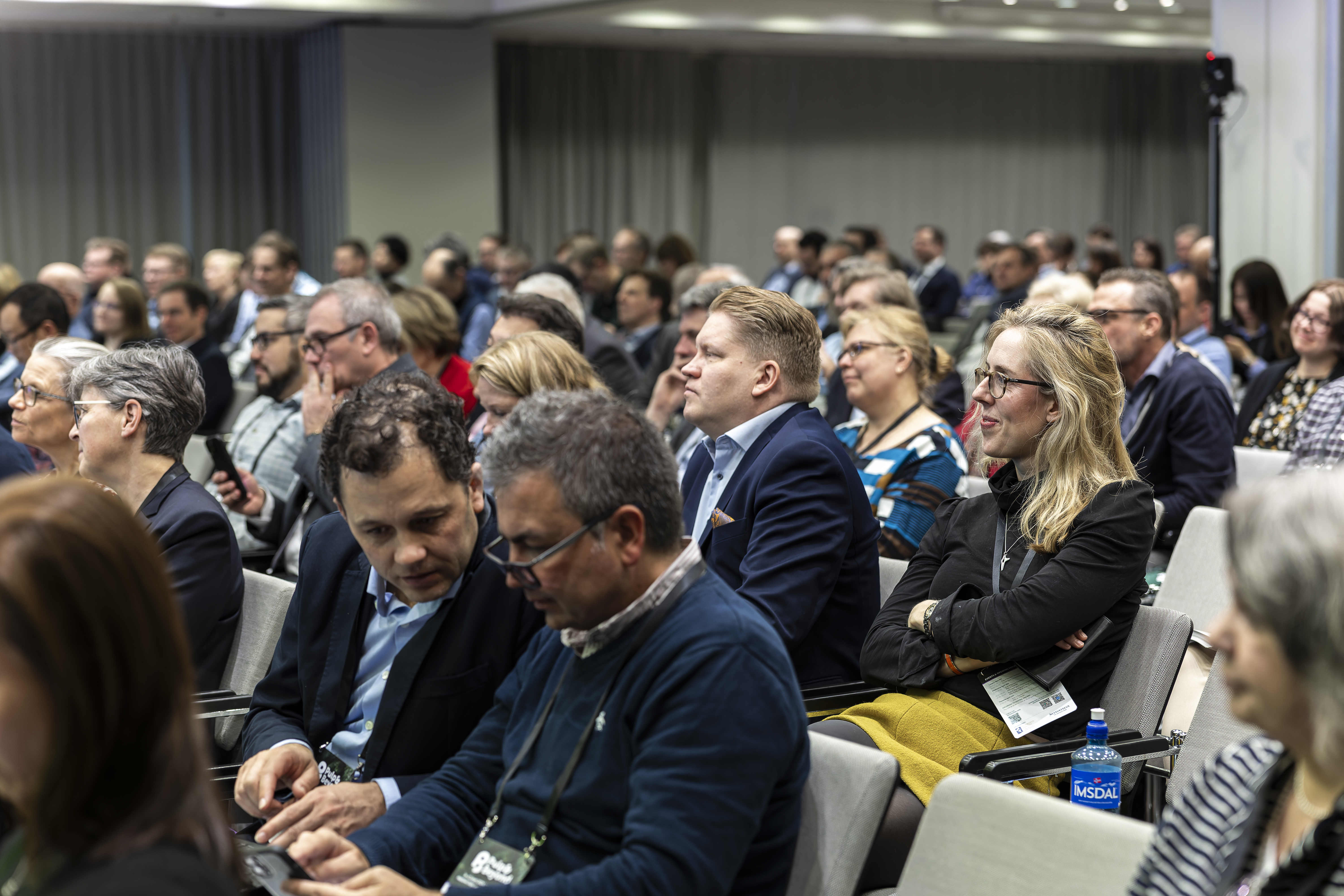
He is somewhat critical of the current start-up funding climate, noting that four areas capture a disproportionately large share of the available capital.
These four segments—AI, defence technology, medtech, and quantum technology—together account for around 80 per cent of the funding available to start-ups, according to him.
“But the world does not run solely on AI, defence technology, medtech, and quantum technology. You cannot ‘eat’ defence technology. There is an imbalance,” he notes, comparing today’s investment climate to the Dot-com bubble at the beginning of the 21st century.
Tage Johansson also stresses the importance of making better use of forest industry by-products instead of sending them directly to energy combustion. At Fiberwood, these side streams are used to produce fossil-free insulation and packaging materials.
He also highlights what he calls a ”malicious” Microplastics problem, noting that microplastics end up both in nature and in our bodies, where they can cause harm.
Start-up competition
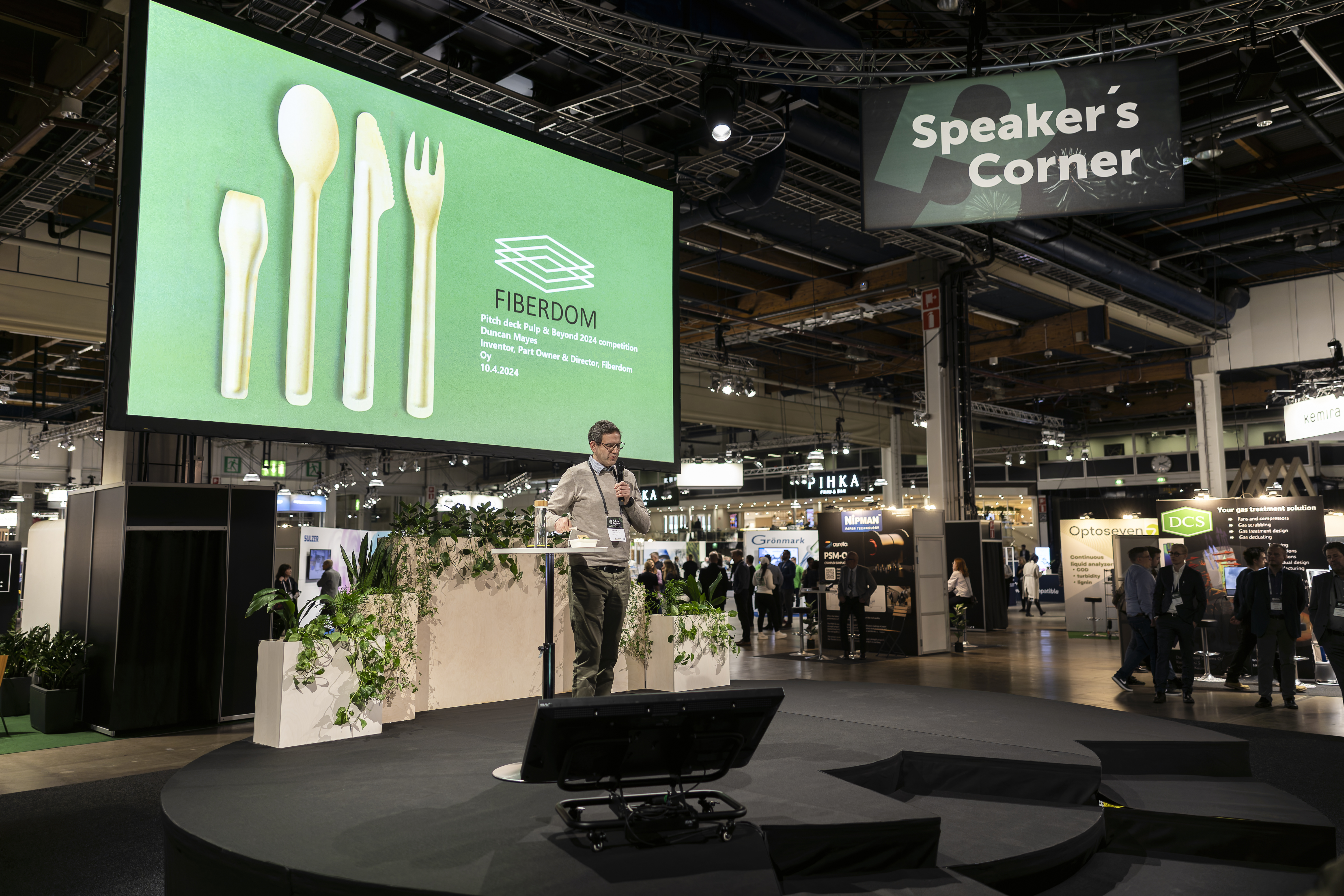
Start-up companies will certainly receive a great deal of attention at the Pulp & Beyond 2026 event, as they are also featured in the traditional start-up competition, “The Forest-Based Bioeconomy Startup Competition 2026”.
The winner will be awarded the €5,000 at the event. The award will be granted to a Finnish company that has “developed an innovation that enhances the public image of the forest industry or a related sector”, and has the potential to become a “significant international product or service”.
The top three candidates will showcase their innovations in a pitching competition during the event, with the jury making its final decision based on these presentations.
The previous competition, held in 2024, was won by Aisti Corporation for an ultra-low-density, flame-retardant foam material suitable for manufacturing a variety of panel-type products.
Importance and potential of AI,
The first day of the conference will feature several high-level keynote speakers, including Finland's Minister of Climate and the Environment, Sari Multala. The day will place significant focus on the importance and potential of AI, with a session titled “AI as a must in process industries” led by Felipe Alcalde Arrau, Chief Competitiveness and Innovation Officer at CMPC, and Hannele Palje Rossi, Chief Information Officer at Stora Enso.
Other AI related presentations include “AI as a game changer – learnings from AI-driven deep-tech start-ups to pulp and paper industry” (Mala Valroy, Industrifonden), “Opportunities of AI - learnings from different industries” (Antti Rantanen, Efeso Nordics), “From Intelligence to Impact: How AI is redefining the role of both the process, and the worker” (Tyron Vardy, ABB),
“Improving safety and mill operations with AI/digitalization” (Marjo Santanen
Billerud), and “Developing word-class mill operations with digitalisation and AI”.
Diverse mix of themes
The event program covers a diverse mix of themes, ranging from opportunities with lignin, dewatering technologies, and textile fibers to the capture of biogenic CO2 in pulp mills,
microfibrillated cellulose, and market-related topics. Key presentations include: “Lignin for sustainable batteries” (Hanna Schweitz, Stora Enso), “Market overview MMFC/textile fibers” (Lutz Walter, The European Technology Platform for the Future of Textiles and Clothing), “Technology readiness and policy readiness for biogenic CO2: are we ready for turning emissions to value products?” (Henna Poikolainen, AFRY), “SuperBark - review of bark valorisation opportunities” (Marc Borrega, VTT), and “Wood goes Textile - Biopolyester for Circular Textile Economy” (Dominik Müller, UPM).
Giant mill project developments
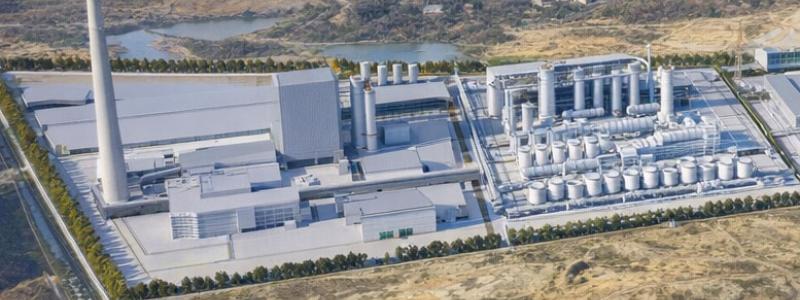
The program will also spotlight some of the world’s most spectacular mill projects, not least for their sheer size, including Arauco’s giant Sucuriú mill project.
Once completed, the Arauco Sucuriú mill will be the world’s largest single-phase pulp mill, with a production capacity of 3.5 million tons of dried pulp per year. Currently under construction in the Mato Grosso do Sul state in Brazil, the project is set to make a significant impact on the global pulp industry.
Sebastián Mandiola, Arauco’s R&D Director, will take the stage at Pulp & Beyond, presenting on “Applied R&D: The Engine Behind Next-Generation Pulp Production,” where he will also touch on the Sucuriú project.