


Future Market Insights (FMI) projects the global molded fiber pulp packaging market to grow from USD 4,530.4 million in 2026 to USD 8,815.0 million by 2036, registering a CAGR of 6.9% over the forecast period.
The growth trajectory reflects a structural shift in packaging choices as manufacturers and brands move toward fiber-based solutions that combine protective performance, cost efficiency, and operational fit across foodservice, electronics, healthcare, and consumer goods packaging.
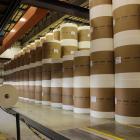
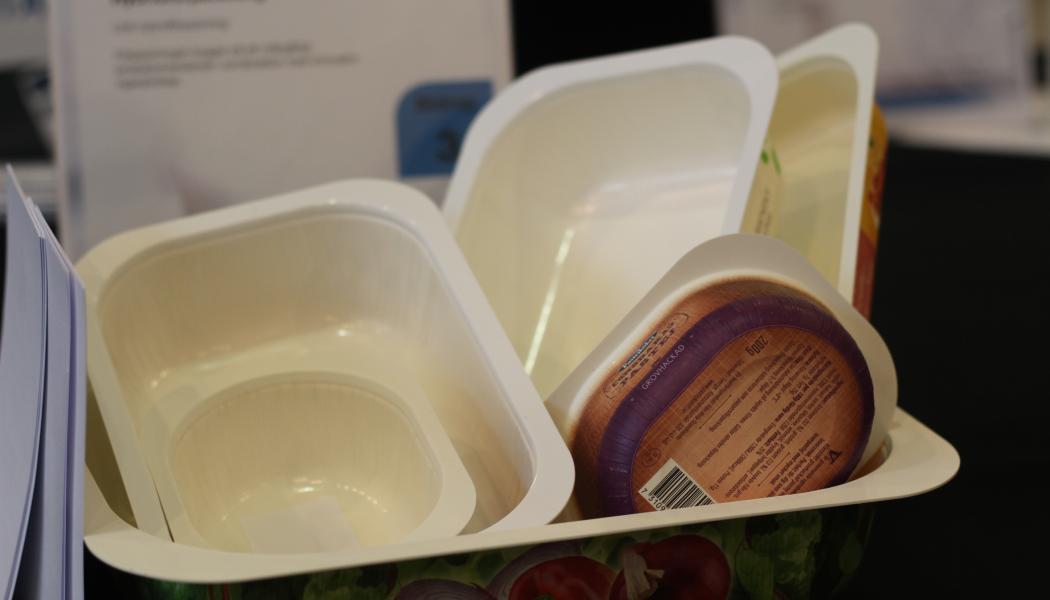
Molded fiber pulp packaging is widely used in trays, clamshells, end caps, and protective inserts, offering cushioning strength and structural integrity while remaining lightweight. The format continues to scale beyond traditional uses as improvements in tooling precision, forming consistency, automation, and surface finishing make it suitable for higher-value applications.
Key Players (2026) include Huhtamaki Oyj, UFP Technologies, Pactiv Evergreen, EnviroPAK Corporation and Brodrene Hartmann A/S.
Market Outlook: From Basic Cushioning to Engineered Packaging Systems
According to FMI, the molded fiber pulp packaging market is evolving from basic cushioning formats into engineered packaging systems designed for modern foodservice, electronics logistics, and industrial handling requirements. Manufacturers are increasingly adopting molded pulp to meet demand for:
- reliable protective performance
- efficient stacking and storage
- compatibility with automated handling systems
- consistent form and finish for branded packaging applications
As molding precision and surface quality improve, molded fiber pulp packaging is expanding well beyond legacy formats such as egg cartons and entering mainstream use in packaged food, consumer electronics, and specialty industrial packaging.
Why the Market Is Expanding Steadily Through 2036
Growth in molded fiber pulp packaging is being supported by broad end-use adoption across industries:
Foodservice and Food Packaging Demand Remains Strong
Foodservice and food packaging applications account for a significant share of demand, especially in:
- egg cartons
- produce trays
- takeaway containers
- beverage carriers
The material's ability to handle heat, moisture, and stacking requirements makes it suitable for both fresh and processed food distribution. Restaurants and food retailers also value molded fiber for rigidity, stackability, and compatibility with automated filling lines.