



Finland’s forest industry could be forced to reduce capacity again as rising raw material costs and weaker market conditions weigh on profitability. That assessment comes from Juha Varis, senior portfolio manager at S-Bank, who warned in the Talousaamu programme that the sector faces mounting pressure.
The warning comes amid a more challenging environment for pulp and paper producers. Wood prices remain elevated while demand for several forest industry products has developed more weakly than expected, increasing investor expectations that production cuts may follow.
The debate intensified after comments by business figure Björn Wahlroos, who said in the Asiastudio podcast that a large and modern pulp mill in Finland could be forced to shut down due to a lack of raw material. His remarks triggered wider discussion within the sector and were later addressed in Kauppalehti’s Talousaamu broadcast.
Overcapacity across Europe
Varis said overcapacity in the European forest industry is evident across several segments.
– International analysts highlight this. Whether it concerns pulp or other segments, there is overcapacity in many areas. It exists in paper and packaging, and as a result, the competitiveness of some Finnish pulp mills has weakened, Varis said in the programme.
He added that investors expect some reduction in capacity but that it remains unclear which companies or plants might be affected.
– Investors want to see capacity reduced somewhat in the industry. But who it will be, in which country and at which mill, is difficult to say. We will see if something happens already this year.
Structural changes are already underway at several companies. Stora Enso plans to list its Swedish forest assets in a separate company and is considering selling sawmills in Central Europe. UPM is reviewing its plywood operations and discussing a potential cooperation with Sappi in the graphic paper segment.
– Both companies are reacting to the difficult situation and trying to turn every stone to improve results, Varis said.
Warnings from company leaders
Stora Enso CEO Hans Sohlström commented on the situation in the same programme, noting that the company’s Finnish pulp production is integrated with its paperboard operations, which affects overall profitability assessments.
UPM CEO Massimo Reynal gave a similar view in an interview with Kauppalehti. He said the situation is challenging for forest companies across the northern hemisphere.
– If the situation continues in the same way going forward, it becomes increasingly difficult to imagine that mill closures would not occur. This is not a matter of opinion, but a fact, he told the newspaper.
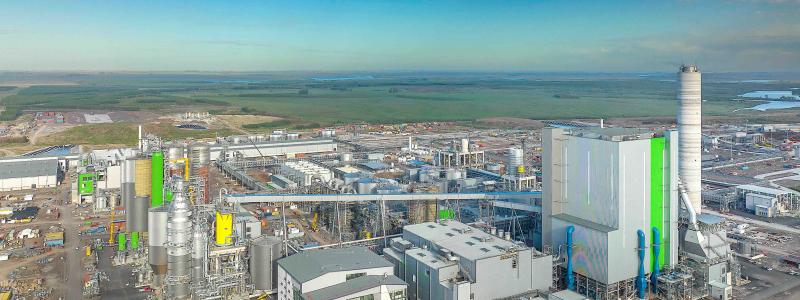
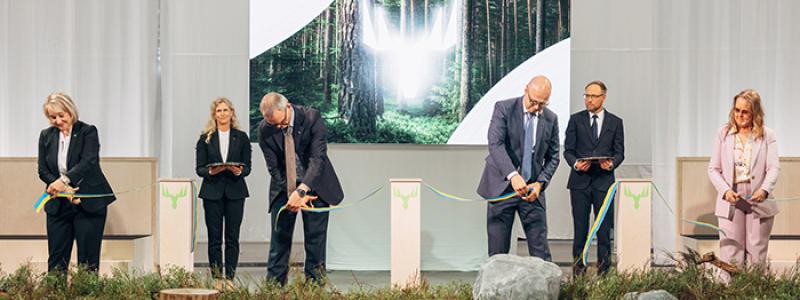
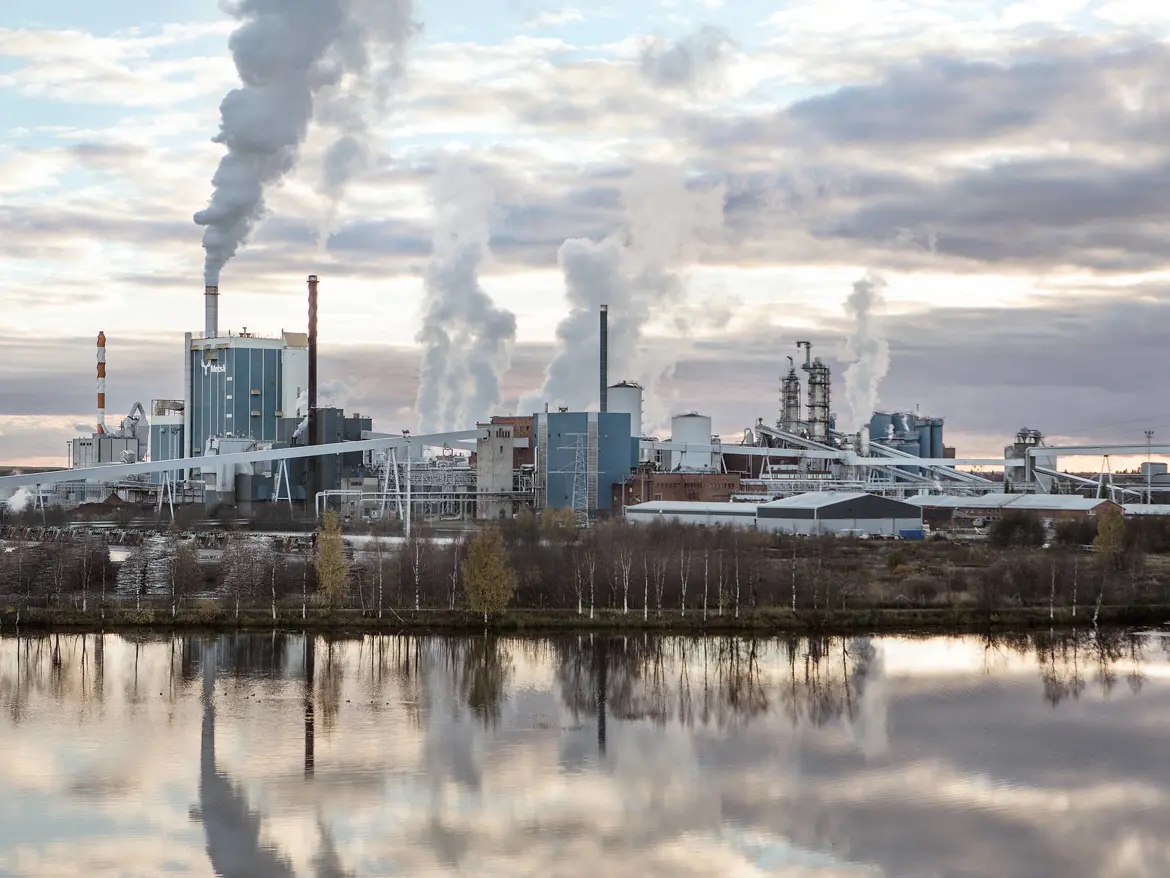
Industry assessments suggest that the most significant wood supply challenges are linked to older pulp mills and facilities in eastern Finland. At the same time, large investments have been made in new plants, including Metsä Group’s pulp mill in Kemi, which started operations in autumn 2023 following a major investment.
Multiple mills across Finland
UPM produces market pulp in Finland at mills in Kaukas in Lappeenranta, Kymmene and Pietarsaari. Stora Enso produces market pulp at Enocell in Uimaharju and at integrated sites in Oulu, Imatra, Varkaus and Heinola. Metsä Group operates pulp mills in Joutseno, Kemi, Rauma and Äänekoski.
Future developments will depend heavily on raw material availability, energy costs and global demand. If pressure on profitability persists, further restructuring cannot be ruled out, although it remains unclear where potential reductions would take place.
Source: Kauppalehti.