

As the Connecticut legislature weighs a ban on bisphenol-A (BPA) in receipt paper, the nation’s largest manufacturer of paper for cash register and credit card receipts reaffirmed that it does not use BPA in any of its products. Appleton dropped BPA from its thermal paper formulation in 2006 out of growing concerns about the safety of the chemical.
"As debate continues in the Connecticut legislature over whether to ban BPA in thermal paper, we want to assure state legislators — and anyone who shares their concerns about the presence of BPA in receipt paper — that we offer a readily available alternative," said Kent Willetts, Appleton’s vice president of strategic development. "Appleton produces over half of the thermal receipt paper used the U.S. market, all of it BPA free."
In July 2010, the Environmental Working Group (EWG) attracted much attention when it issued a report that found BPA in 40 percent of receipts collected from supermarkets, automated teller machines, gas stations and national retailers. The report noted that "Appleton Papers Inc. no longer incorporates BPA in any of its thermal papers."
However, Appleton saw that consumers had no easy way to distinguish Appleton’s BPA-free receipt paper from other suppliers’ paper, which still contains the controversial chemical.
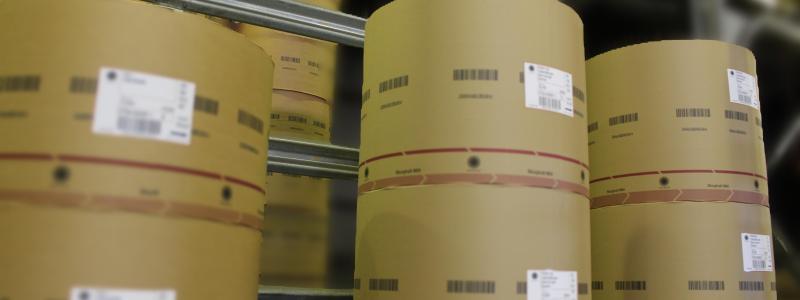
In early November 2010, Appleton began embedding red fibers made of rayon, a recyclable cellulose fiber, into its BPA-free thermal receipt paper to help consumers and retail workers quickly identify the kind of thermal receipt paper they are handling.
In 2010, the U.S. Environmental Protection Agency invited Appleton representatives to participate in a partnership program called Design for the Environment, which involves a multi-stakeholder initiative that includes efforts to identify alternatives for BPA use in thermal receipt paper.