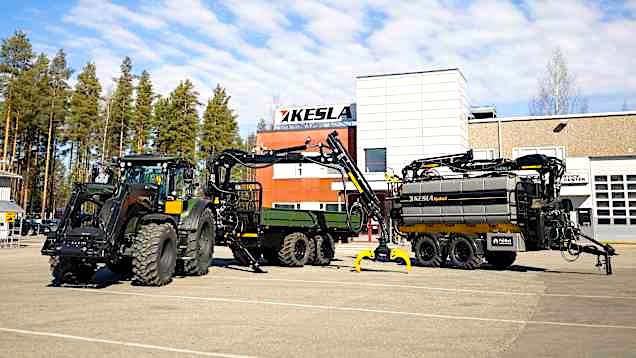




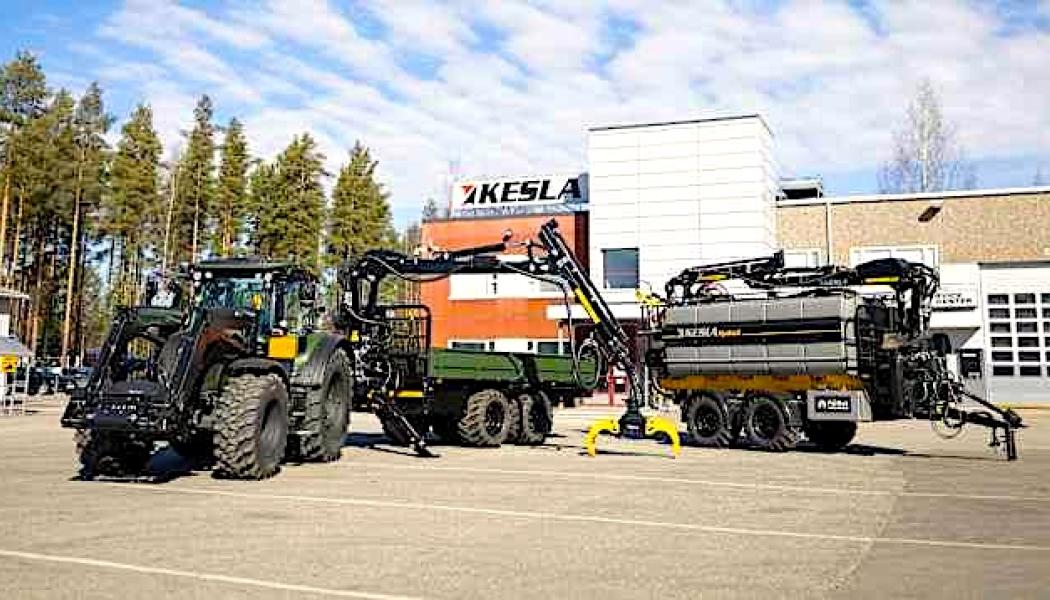
Finnish forestry technology company Kesla is discontinuing the manufacturing of forestry trailers and selling parts of the business in an effort to improve profitability and focus on more competitive business areas.
The company announced that it is now seeking a new owner for its forestry trailer and tractor-mounted equipment operations. The transaction includes product rights, inventory, sales activities and aftermarket responsibilities related to forestry trailers, cranes and associated equipment for civilian tractor applications.
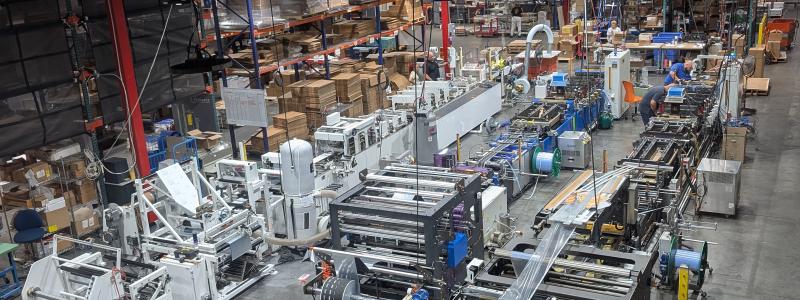
However, the production facilities and manufacturing equipment are not included in the sale. Operations at the company’s site in Kesälahti in eastern Finland will continue with other forestry technology products.
– We want to focus on areas where we see long-term competitiveness and profitability, CEO Pasi Nieminen told Finnish newspaper Maaseudun Tulevaisuus.
Attempt to improve profitability
The decision comes as Kesla struggles with weak profitability and financial pressure.
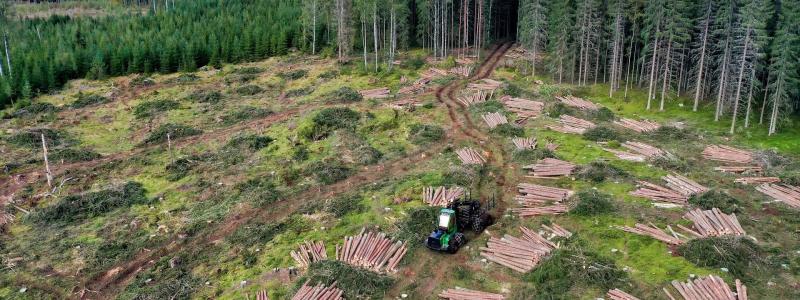
The company manufactures forestry cranes, wood chippers, forestry trailers and equipment for the forest industry and has long been a recognised player in Nordic forestry technology. However, recent years have been marked by financial difficulties, rising costs and weaker demand in parts of the market.
According to financial reports, Kesla has recently faced negative profitability and pressured margins. The company has also implemented restructuring measures to strengthen its operations.
Kesla now describes the divestment as part of its strategic direction for the 2024–2028 period, aimed at achieving “profitable growth” and focusing on areas with stronger long-term prospects.
The company also states that it will continue selling and servicing tractor-mounted equipment throughout the sales process.
– Our goal is continuity. For end customers, it may in practice only mean that the manufacturer changes while operations continue as before, the company said.
Growing competition in forestry technology
The market for forestry trailers and forestry equipment has become increasingly competitive in recent years. Manufacturers are under pressure from rising production costs, higher interest rates and uncertainty within the forestry sector.
At the same time, customers are demanding more advanced technology, automation and more efficient machinery, increasing development costs for smaller manufacturers.
According to market assessments, the global forestry trailer market is expected to continue growing, although competition within the sector is also intensifying.
As a result, Kesla has decided to concentrate its resources on product segments where it believes it has stronger potential for long-term profitability.
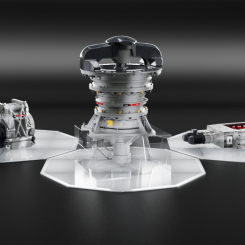
The company will retain operations linked to defence-related applications as well as other crane and forestry technology products not connected to civilian tractor-mounted equipment.
Uncertain future for parts of the business
No buyer has yet been announced, and according to the company, the process could continue throughout 2026 or even longer.
For Kesla, the deal marks another step in a broader restructuring programme aimed at reducing costs and improving the company’s financial position.
The development also highlights how smaller Nordic industrial companies within the forestry and machinery sectors are being affected by weaker economic conditions and intensifying global competition.
Source: Maaseudun Tulevaisuus and company information from Kesla.
Fact check
Kesla is a Finnish industrial company specialising in forestry technology, cranes and timber handling equipment. In recent years, the company has carried out several restructuring measures aimed at improving profitability and focusing operations on fewer business areas.