

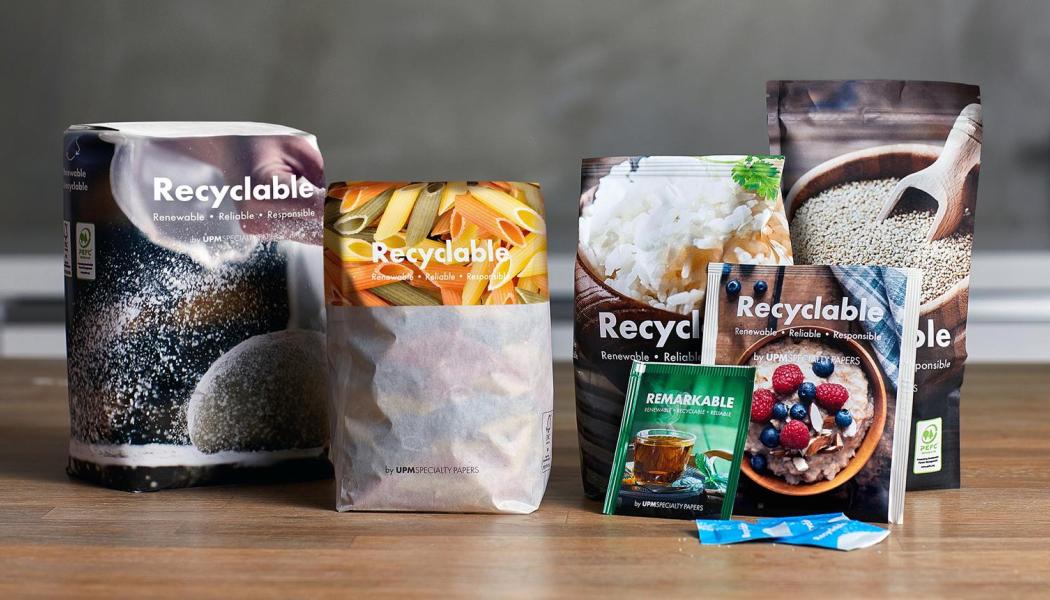
UPM, Michelman and BOBST have introduced two new fibre-based packaging concepts designed to comply with increasingly strict European Union regulations on single-use plastics and recycling.
The new solutions combine paper-based materials with bio-based coatings and industrial coating technologies. According to the companies, the packaging structures have been designed for direct implementation in industrial production without requiring major changes to existing manufacturing processes.
The initiative comes as the European Union continues tightening packaging legislation through measures such as the Single-Use Plastics Directive, SUPD. The regulations are intended to reduce plastic waste and increase recycling rates across the bloc.
The companies say the new packaging concepts provide strong barrier properties against moisture, oxygen and mineral oils while also offering heat sealability across a broad temperature range.
Focus on food packaging
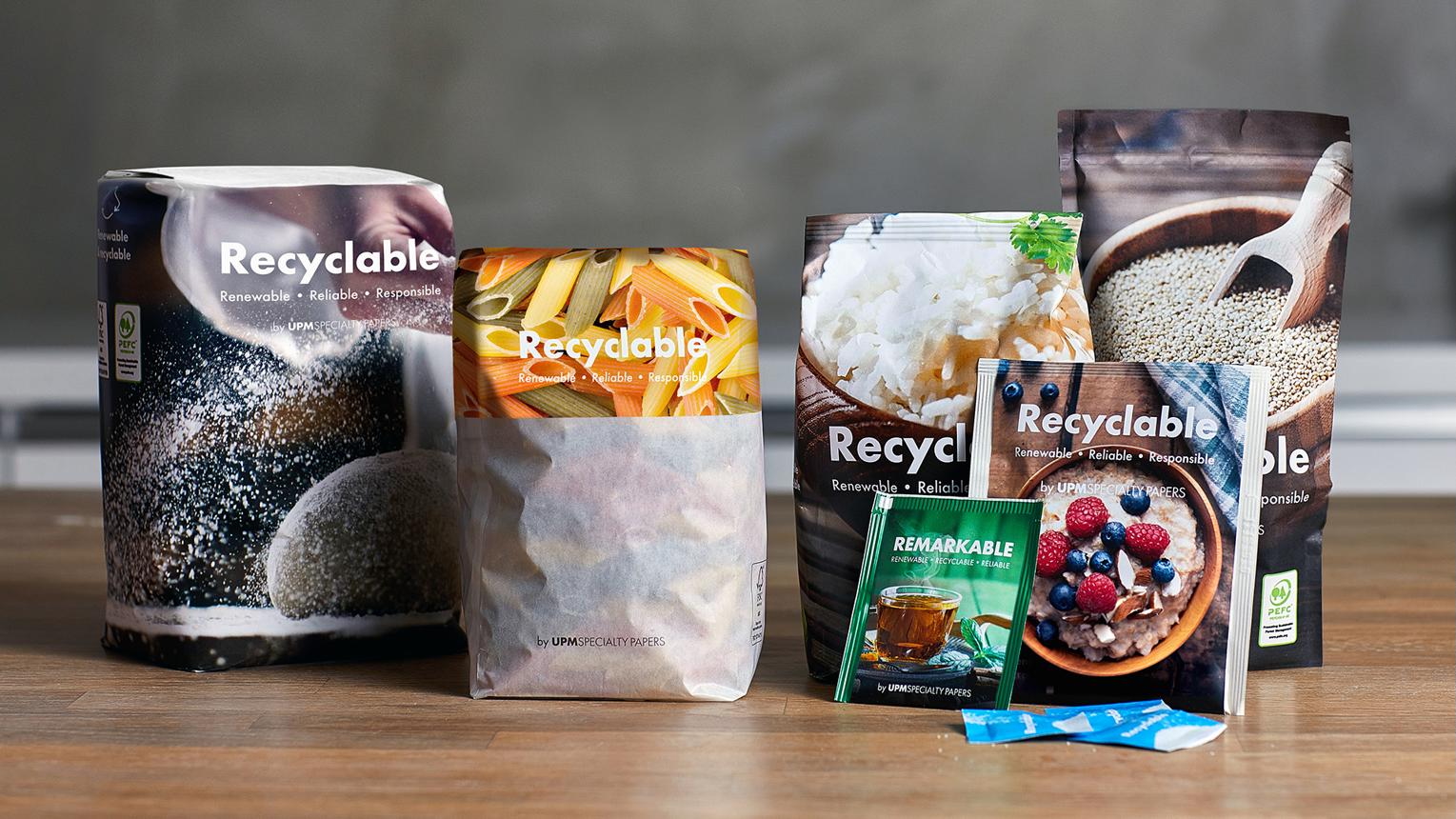
The first concept has been developed for products such as tea bags, oatmeal and sugar stick packs. The solution uses bio-based coatings and is intended to meet EU requirements for paper packaging in applications where plastic has traditionally dominated.
The second concept targets products requiring higher oxygen barrier performance, including cookies and chocolate. According to the companies, the technology enables thinner coating layers and improved material efficiency.
The partners emphasise that the concepts have been designed to run efficiently on existing production lines while also supporting recyclability and, in some cases, compostability.
However, the packaging industry continues to face major challenges. Many alternatives to conventional plastics involve higher costs, shorter shelf life or more complex recycling processes. Critics also argue that some bio-based materials risk being marketed as more sustainable than they actually are when full lifecycle impacts are taken into account.
Showcased at Interpack
The developments come as Europe’s packaging sector faces growing regulatory pressure from both policymakers and consumers demanding lower plastic usage and higher recycling rates.
In recent years, several companies have launched alternatives to plastic food packaging, but many projects remain in early commercial phases. Questions remain over how quickly new materials can replace traditional plastics on a large industrial scale.
Earlier this year, UPM also introduced a new bio- and paper-based packaging concept together with Paramelt for bakery products, fast food and convenience meals.
Despite rapid development in the sector, concerns remain over costs, raw material availability and actual recycling capacity as the EU’s new packaging regulations gradually take full effect across the market.
Source: Packaging Europe and company information from UPM, Michelman and BOBST.
Fact check:
The EU Single-Use Plastics Directive, SUPD, was introduced to reduce the use of disposable plastic products and increase recycling within the European Union. The rules affect food packaging, beverage packaging and retail packaging among other sectors.