
Arctic Paper has announced price increases for both coated and uncoated fine papers across the European market starting June 1, 2026. The company says prices will rise by between four and eight per cent depending on product category and market conditions.
According to the company, the increase reflects continued cost pressure throughout the paper industry, including higher prices for raw materials, energy, transportation, and other operational expenses.
The price adjustment will apply to all deliveries across Europe from the beginning of June.
Cost pressures continue to weigh on the industry
Arctic Paper says the increase is necessary to maintain stable production and secure reliable deliveries to customers.
The company also stressed its intention to continue providing consistent product quality and dependable service despite the difficult market environment.
– The price adjustment is necessary to address the continued cost pressure affecting the industry, the company stated.
Europe’s pulp and paper sector has faced mounting challenges in recent years due to soaring energy prices, rising costs for chemicals and wood raw materials, as well as more expensive logistics and transportation. At the same time, demand for graphic paper products has remained weak in several markets as digitalisation continues to reduce printed media consumption.
Grycksbo mill remains strategically important
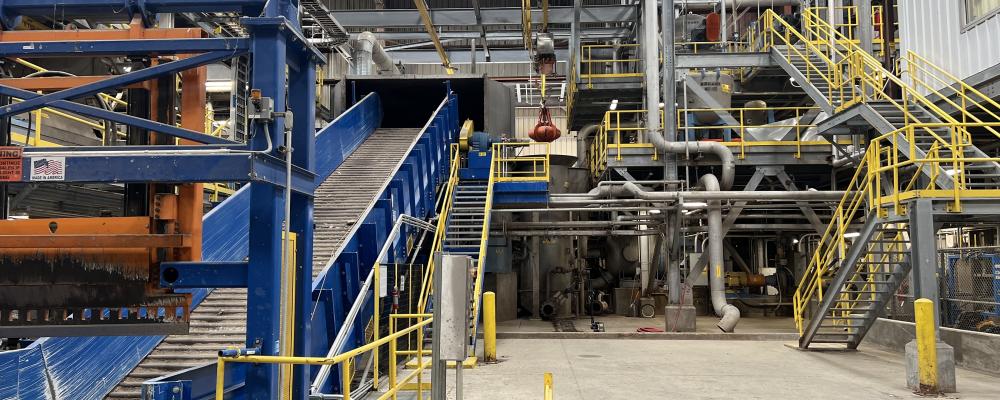
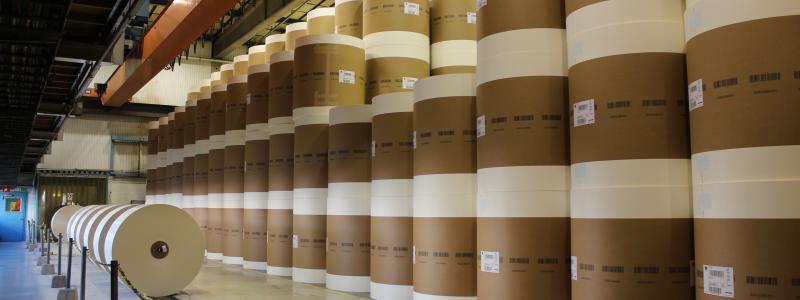
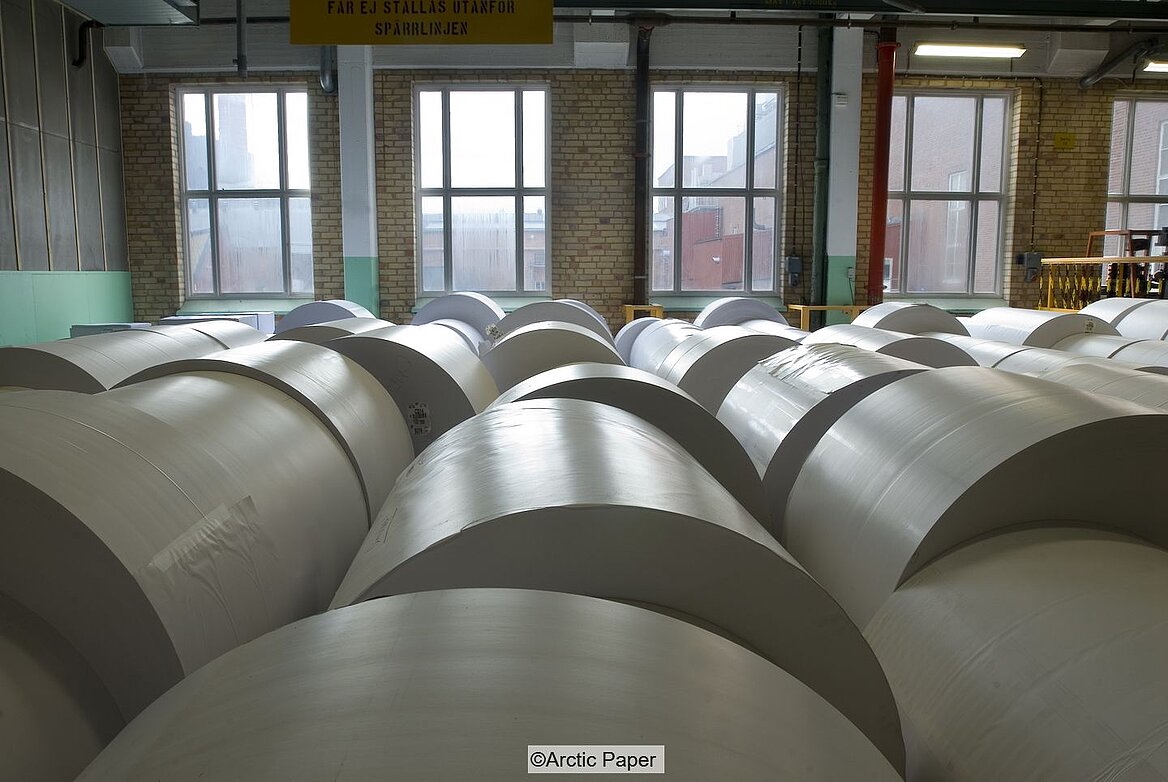
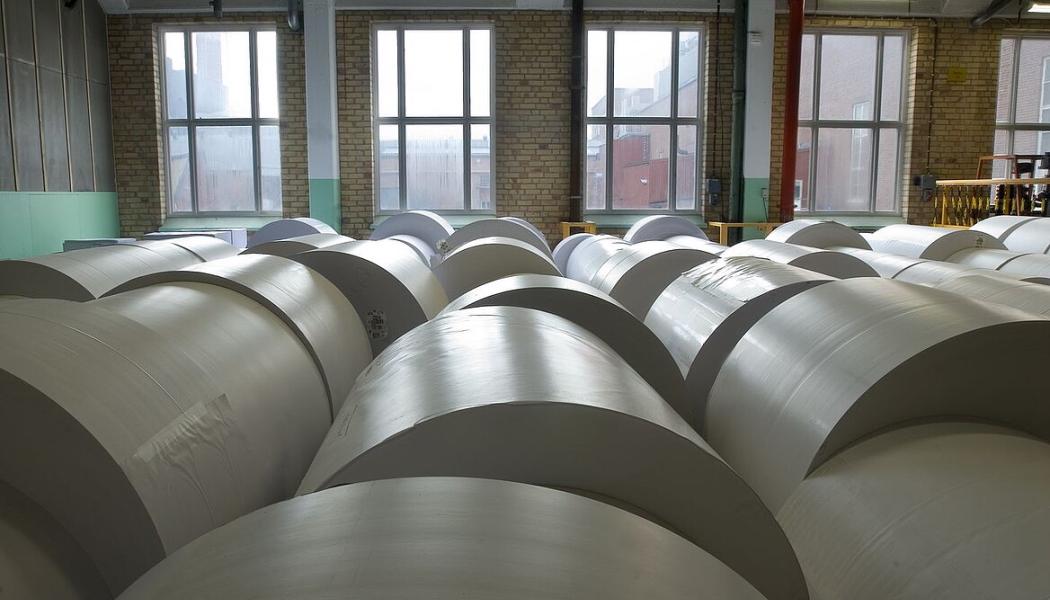
Grycksbo mill in Sweden is one of Arctic Paper’s key production facilities for coated woodfree paper.
The company manufactures paper grades used for books, magazines, advertising materials, and premium packaging applications. Arctic Paper also operates facilities in Poland and serves multiple European markets.
In recent years, much of Europe’s paper industry has undergone restructuring through mill closures, production cuts, and investments in more specialised products aimed at adapting to changing market conditions.
Despite the ongoing decline in traditional graphic paper demand, certain premium segments continue to show resilience, particularly high-quality printed products, book publishing, and specialised packaging.
Arctic Paper also continues to position itself within the sustainability segment, promoting its products as sustainable paper solutions, even as the sector faces stricter climate regulations and higher energy and emissions-related costs within the European Union.
Source: Arctic Paper.
Fact check:
Fine paper is primarily used for books, office paper, magazines, and advertising print products. The European market for graphic paper has been shrinking for years due to digitalisation and changing consumer habits, leading to price pressure and several mill closures across the industry.