

Packaging company DS Smith Tecnicarton has introduced a new fibre-based solution for transporting automotive chassis parts across the Iberian market.
The system is designed as an alternative to traditional metal returnable containers, which are widely used to protect components during production, assembly and transport.
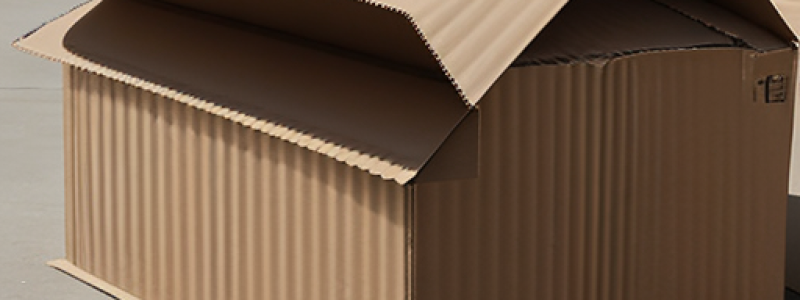
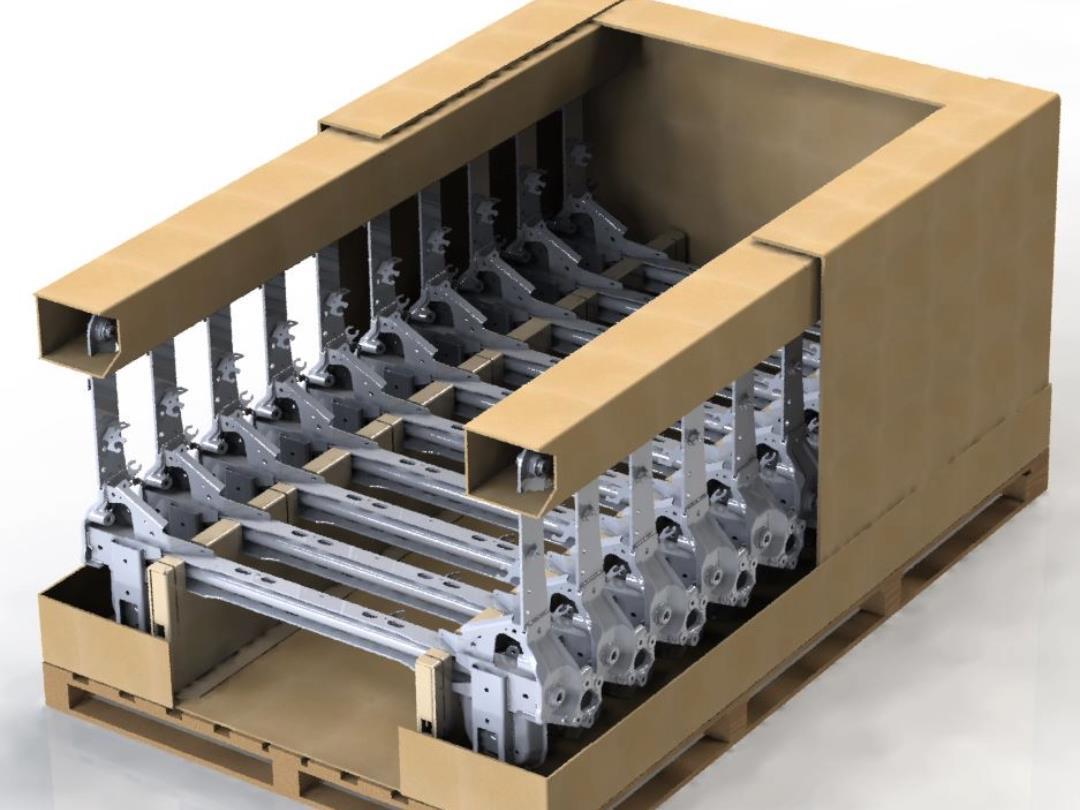
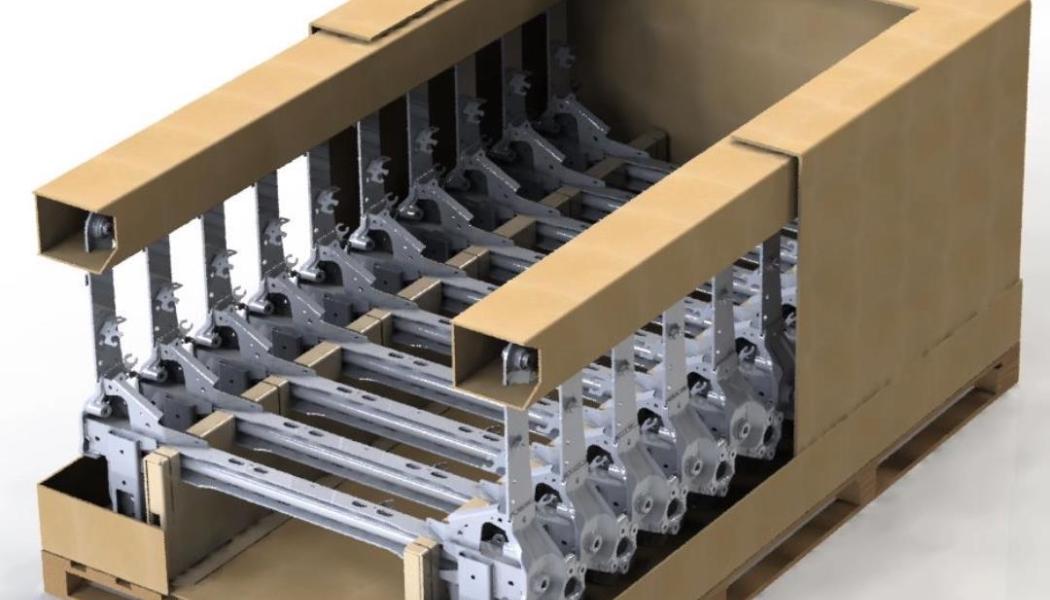
According to the company, the new packaging is made entirely from corrugated cardboard and consists of a foldable pallet system, a structural body, base and lid – all built from a single material.
The aim is to offer a practical and rapidly deployable option when existing logistics systems fail or are disrupted.
Return flow problems drive demand
The launch comes against a backdrop of ongoing supply chain instability. Shortages of components, production interruptions and transport delays have repeatedly disrupted industrial logistics flows in recent years.
These disruptions can prevent metal containers from being returned to suppliers on time, creating bottlenecks in production.
– The solution is robust and quickly deployable, enabling suppliers to maintain operations until returnable packaging flows are restored, DS Smith Tecnicarton states.
The packaging includes positioning elements at the base and upper sides to secure heavy components during transport. These inserts can be replaced when needed and are complemented by custom dividers to optimise space utilisation.
Lightweight design raises practical questions
The company says the structure is flexible and suitable for both road and sea transport, while maintaining the technical performance standards expected in automotive logistics.
A key advantage is lower weight compared to metal systems, which can simplify handling and reduce storage demands.
However, questions remain about durability and long-term performance. Metal containers have been widely used precisely because of their strength and reusability in demanding industrial environments.
The fibre-based alternative may therefore function primarily as a complementary solution rather than a full replacement in heavy-duty logistics.
At the same time, the packaging is easier to recycle, as it is made from a single material and does not require separation into different waste streams.
It is also designed for direct integration into production lines, allowing components to be delivered without repacking or intermediate handling.
Source: DS Smith Tecnicarton
Fact check
Fibre-based industrial packaging is increasingly used as an alternative to plastic and metal. It can reduce weight and simplify recycling, but is often used alongside, rather than instead of, durable returnable systems.