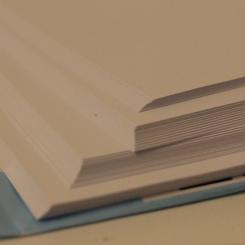





The international paper manufacturer Lecta has confirmed that its entire packaging portfolio is now produced without added PFAS substances. The change applies across all product categories, including papers used in food packaging.
The decision reflects tightening regulatory pressure in Europe and other markets where the use of PFAS chemicals in consumer products is increasingly restricted. By eliminating the substances across its portfolio, the company aims to prepare both converters and brand owners for upcoming legal requirements.
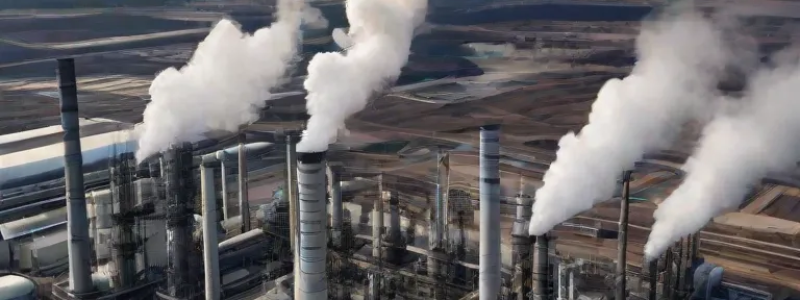
PFAS – per- and polyfluoroalkyl substances – have long been used in packaging materials because they provide grease and moisture resistance. At the same time, these chemicals have drawn growing scrutiny from regulators due to their persistence in the environment and their tendency to accumulate in ecosystems and human bodies.
A global PFAS-free packaging standard
According to the company, the transition establishes a new internal global standard. All packaging papers are now produced without added PFAS, following a review of product formulations, stricter raw-material selection, and tighter supply-chain controls.
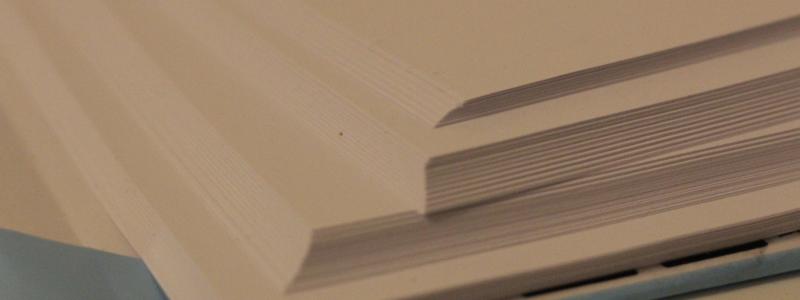
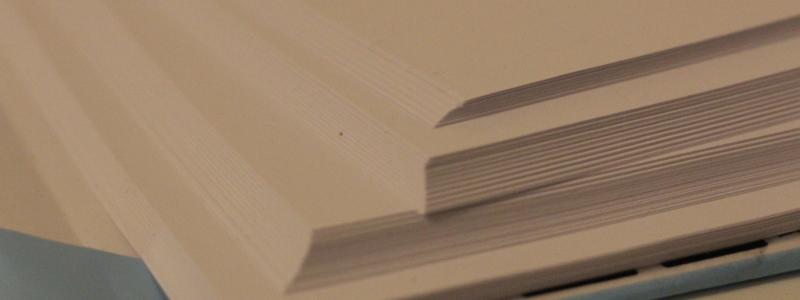
The commitment covers the entire packaging range, including flexible and rigid packaging papers, self-adhesive materials, labels and paper bags.
With the transition completed, the designation “No PFAS Added” will no longer appear in individual product names. The reason is straightforward – the entire packaging portfolio now follows the same PFAS-free production standard.
Lecta has also introduced new grease-resistant papers without PFAS within its Creaset, Metalvac and Adestor product lines. These papers are designed as replacements for traditional greaseproof packaging materials used widely in food packaging and food service applications.
According to the company, the materials are intended to maintain the required processing performance and barrier properties while allowing manufacturers to move away from PFAS-based coatings.
Industry prepares for new EU regulation
The shift comes ahead of the European Union’s Packaging and Packaging Waste Regulation, known as PPWR.
The regulation is scheduled to take effect on 12 August 2026, although certain provisions include transition periods. Under the new framework, PFAS will be banned in packaging through the EU’s restricted-substances rules.
Manufacturers will also face stricter requirements related to recyclability, chemical safety and circular material use. For packaging producers and paper manufacturers, the new regulation represents a major shift in product development and material selection.
As a result, PFAS-free packaging solutions are increasingly viewed as necessary for maintaining regulatory compliance in the coming years.
Global regulatory pressure is increasing
Regulatory momentum is not limited to Europe. Several markets outside the European Union are also tightening rules on PFAS in food packaging and other consumer products.
This creates additional pressure on the packaging industry to develop technically viable alternatives that can replace PFAS coatings without compromising product safety or processing efficiency.
For food packaging in particular, grease resistance and moisture barriers remain critical technical requirements. The challenge for manufacturers is to replace PFAS without reducing functionality or increasing production complexity.
Industry analysts expect the transition away from PFAS to continue over the next decade as new coatings and barrier technologies are developed. Many producers are already testing alternative chemical formulations and paper-based solutions to comply with the evolving regulatory landscape.
Lecta’s decision to introduce a PFAS-free standard across its entire packaging paper portfolio illustrates how rapidly the industry is adjusting to the expected regulatory changes.
However, the broader economic and technical consequences of replacing PFAS materials on an industrial scale are still unfolding.
Source: Lecta, March 2026.
Fakta:
PFAS refers to a large group of synthetic chemicals widely used in industrial and consumer products, including packaging, textiles and firefighting foams. Because these substances degrade extremely slowly, they are often referred to as “forever chemicals.” Their persistence in the environment has led regulators in Europe and other regions to introduce increasingly strict restrictions on their use.