




Collaboration between suppliers and customers can generate significant business value beyond the delivery of products alone. A recent development project between Stora Enso and a global hygiene company sourcing fluff pulp from the company’s production facility in Skutskär demonstrates how closer cooperation can improve operational efficiency and strengthen business relationships.
The initiative began with a joint workshop where employees from both organisations reviewed existing processes and identified opportunities for improvement. Logistics quickly emerged as the area with the greatest potential.
According to Johan Flybring, Network Design Manager within Stora Enso’s Biomaterials division, it soon became evident that supply chain operations offered the largest opportunity for mutual gains.
Complex Structure Created Inefficiencies
Over time, the logistics setup supporting deliveries to the customer’s manufacturing facilities had become increasingly complicated. Multiple warehouse arrangements and parallel transportation flows had gradually been introduced to solve various operational challenges.
While these measures addressed short-term issues, they also resulted in higher costs, lower predictability and a more complex supply chain structure.
Rather than attempting to optimise an already complicated system, the partners decided to reassess the entire logistics network from the ground up.
A key factor behind the project’s success was the openness between the two companies.
Transparency Enabled Change
According to Stora Enso, the customer agreed to share transportation cost data, information that is typically considered commercially sensitive.
This transparency enabled a more detailed analysis of the logistics chain and helped identify specific opportunities for improvement.
Following the review, the companies agreed to simplify the setup by consolidating logistics flows through a single warehouse while aligning delivery planning and operational management.
The transition was implemented gradually to ensure uninterrupted operations throughout the process.
Lower Costs and Stronger Partnerships
The results delivered measurable business benefits for both organisations.
Logistics costs were reduced while working capital efficiency improved. Service levels to the customer’s production facilities were maintained throughout the transition.
Beyond the financial gains, Stora Enso emphasised that the collaboration also strengthened the relationship between the two companies.
According to Johan Flybring, the most important outcome was the increased level of trust. When customers see that suppliers are committed to improving their business performance rather than focusing solely on their own interests, the foundation is created for a stronger long-term partnership that benefits both parties.
Fluff Pulp Plays Key Role in Hygiene Products
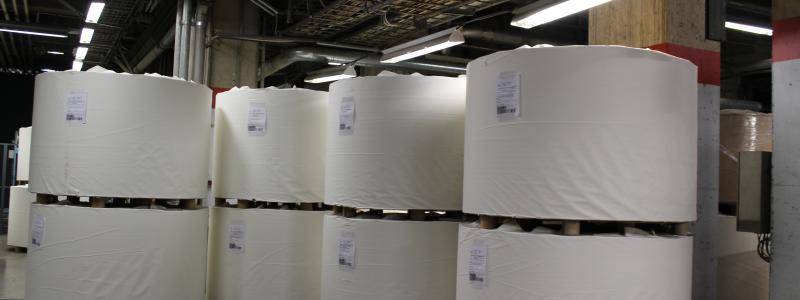
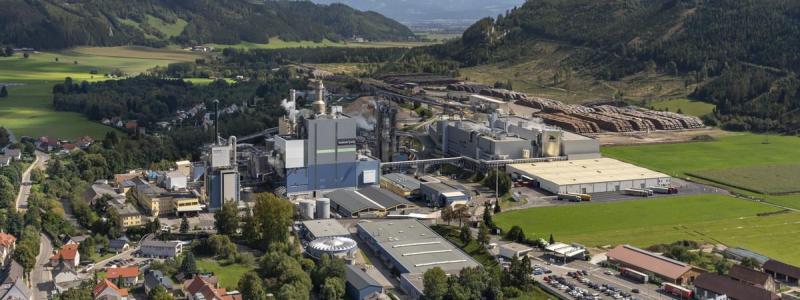
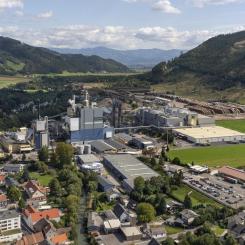
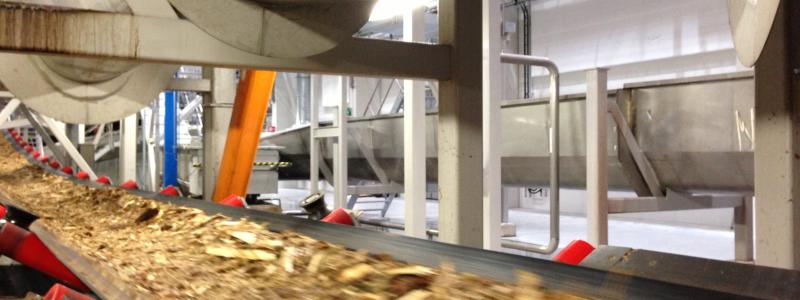
The project focused on deliveries of fluff pulp from Stora Enso’s Skutskär mill in Sweden. The material is widely used in hygiene products, including diapers, incontinence products and other absorbent applications.
Stora Enso is one of the world’s leading producers of renewable materials based on wood fibre. In recent years, the company has expanded its focus on sustainable solutions for packaging, hygiene products and the growing circular bioeconomy.
Source: Stora Enso
Fact Check
Fluff pulp is a chemically treated wood pulp characterised by high absorbency. It is primarily used in hygiene products such as diapers, sanitary products and medical absorbent materials. The Skutskär mill in Sweden is one of the world’s largest production facilities for fluff pulp.